National Dish Ukraine: Pirohy (Recipe)
In this article
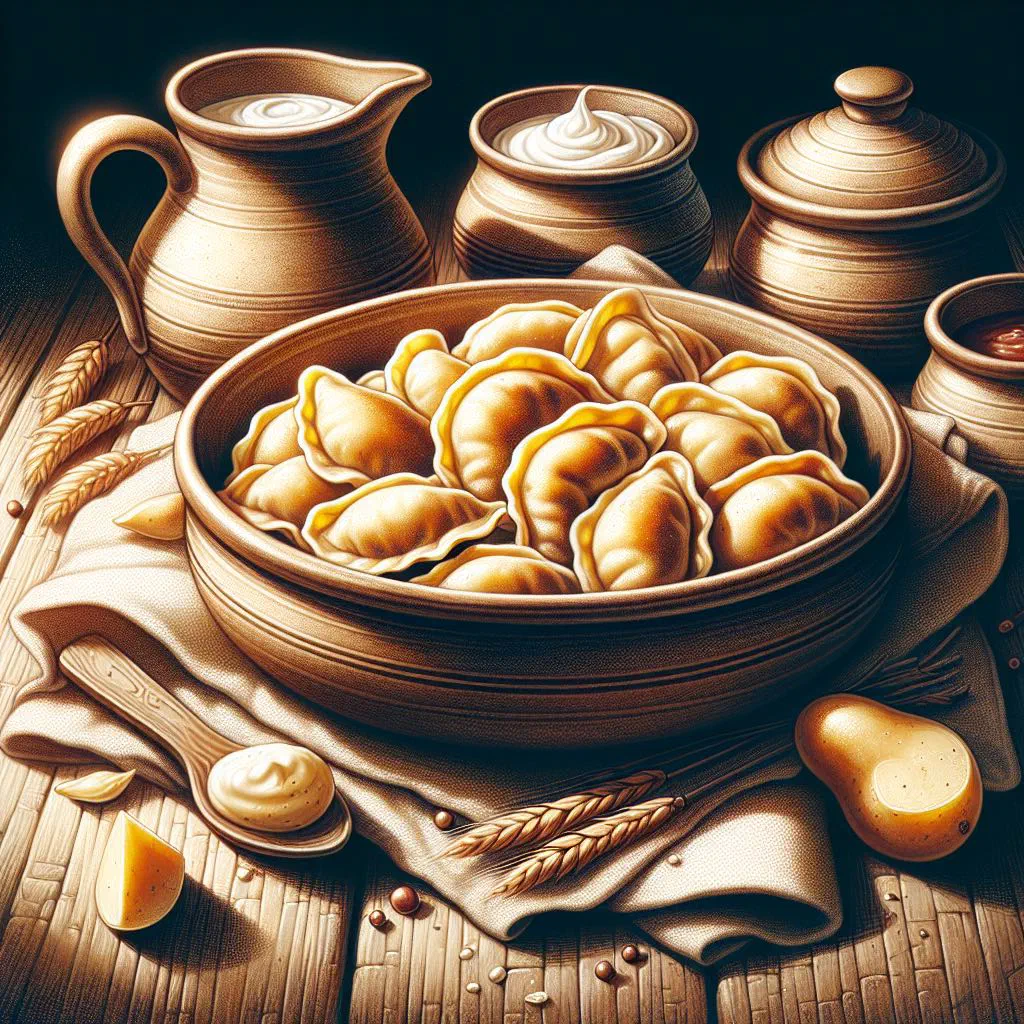
Discover Pirohy, one of Ukraine’s most cherished comfort foods. These tender, filled dumplings can be savoury or sweet, stuffed with everything from potato and sauerkraut to juicy summer cherries. Simple to shape and endlessly adaptable, they turn up at festive gatherings and everyday suppers alike. Bring a taste of the Ukrainian kitchen to your own table with this warming, hands-on classic.
About Pirohy
Pirohy are a traditional Ukrainian dish that enjoys huge popularity across many regions of Eastern Europe. These filled dumplings are remarkably versatile, both in how they are made and in the fillings they hold. The classic choices include potatoes, sauerkraut, or sweeter versions made with fruit. Pirohy can be served as a main course or as a dessert, which makes them ideal for festive occasions as well as an everyday evening meal.
Ingredients (serves 1–2)
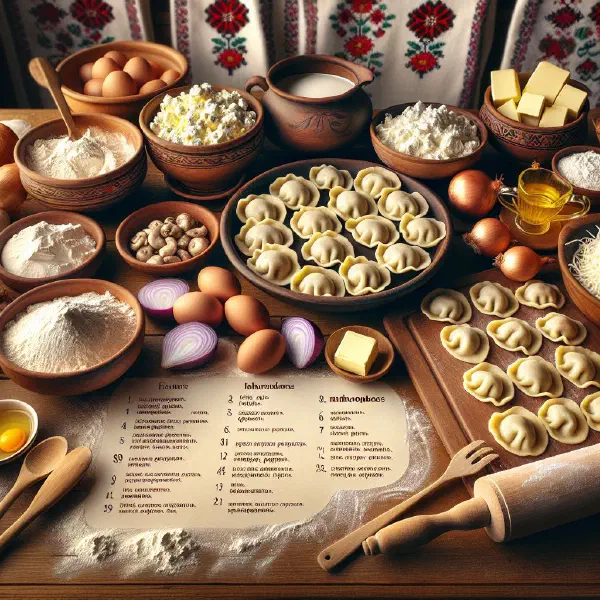
- 200 g plain flour
- 1 tsp salt
- 1 egg
- 100 ml water
- 300 g filling of your choice (e.g. potato, sauerkraut, fruit)
- Oil or butter, for frying
Shopping for the ingredients
For Pirohy, it is well worth paying attention to the quality of your ingredients. Fresh vegetables or fruit give the filling the best possible flavour. If you have particular dietary needs, gluten-free or vegan options, for example, keep these in mind when choosing your ingredients. Make sure you buy everything in the right quantities so the preparation runs smoothly from start to finish.
Preparing the dish
Preparing Pirohy begins with combining the ingredients for the dough. The flour and salt should be mixed thoroughly before you add the egg and water. Knead the dough until it is lovely and smooth and elastic. While the dough rests, you can get on with the filling, so that everything is ready to go when it comes time to shape the dumplings.
Step-by-step instructions
- Make the dough: combine the flour, salt, egg and water in a bowl and knead well.
- Rest the dough: wrap it in cling film and leave it to rest for 30 minutes.
- Prepare the filling: cook your chosen filling and leave it to cool.
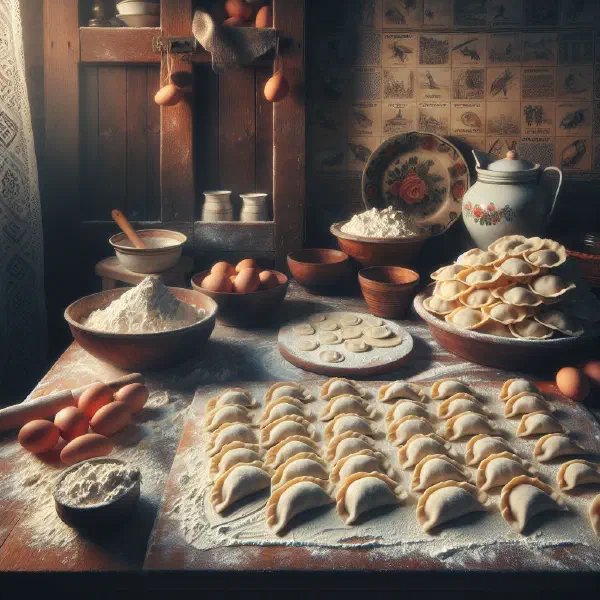
- Roll out the dough: roll it out thinly on a floured surface.
- Cut out rounds: use a glass to stamp out circles of dough.
- Fill: place a spoonful of filling in the centre of each round and press the edges firmly together.
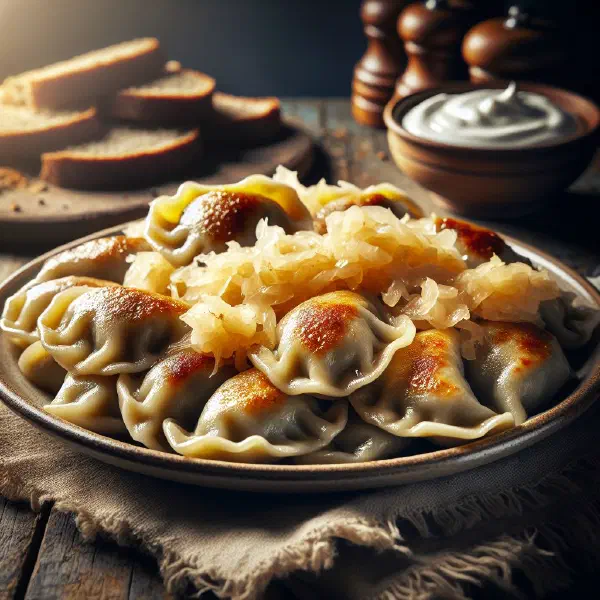
- Boil or fry: cook the pirohy in boiling water, or pan-fry them in a little oil.
Gluten-free / lactose-free version
To make Pirohy without gluten, you can use a gluten-free flour, which is widely available in supermarkets. Take care to choose a blend that is specifically suited to doughs. For a lactose-free version, swap the butter in the filling for a plant-based oil or margarine. These simple modifications mean many more people can enjoy this delicious dish without having to compromise on flavour.
Tips for vegans and vegetarians
You certainly don’t need meat to enjoy wonderful Pirohy. For a vegan filling, you might reach for vegetables, tofu or pulses. Sweet versions can be made with fruit or vegan chocolate. Remember to replace the egg in the dough with a plant-based alternative such as apple purée or a linseed substitute. Much like the potato-based Deruny, these dumplings adapt easily to a plant-based diet.
More tips and tricks
One key tip when making Pirohy is to seal the edges well, so the filling doesn’t escape during cooking. For a more secure seal, press the edges down with a fork. You can also freeze pirohy so they are quick and easy to cook later on. Just be sure to wrap them well to protect them from freezer burn.
Adapting the recipe to your taste
The filling for Pirohy can be adjusted entirely to suit your own preferences. Feel free to experiment with different flavours to find the perfect combination. From savoury to sweet, the possibilities are almost endless. If you love sheep’s cheese or quark, for instance, try folding these into the filling.
Ingredient substitutions
If you don’t have some of the ingredients for Pirohy to hand, there are plenty of alternatives. Instead of potatoes, you could use sweet potatoes, which lend a different but equally delicious flavour. The flour can be replaced with a mix of almond and coconut flour for a nutty note. Be creative and find out which combinations you enjoy most, just as you might with the hearty filling of Varenyky with Sauerkraut.
Drink pairing ideas
Many drinks pair beautifully with Pirohy and bring out the flavour of the dish. A cool, light beer can be an excellent choice, especially with savoury fillings. If you prefer alcohol-free options, homemade lemonade or a fresh herbal tea make a tasty accompaniment. A light wine can also complement the flavours of the pirohy wonderfully.
Serving and presentation ideas
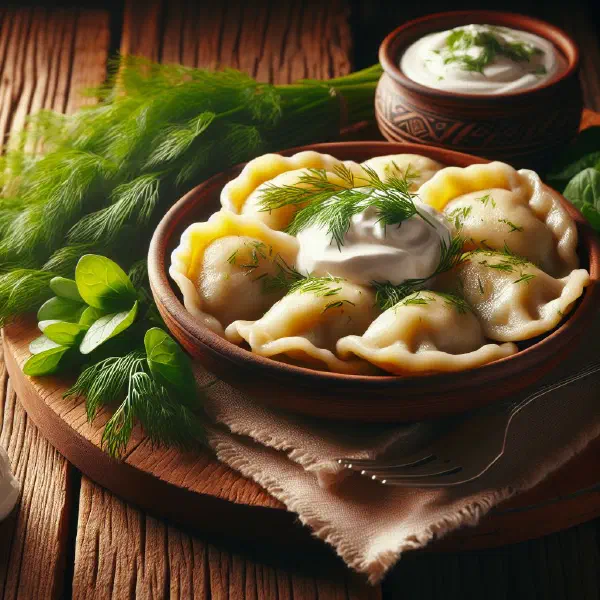
The presentation of your Pirohy can greatly enhance the impression the dish makes. Serve the pirohy on a colourful plate, garnished with fresh herbs or a spoonful of soured cream. An attractive arrangement and a touch of colour from vegetables or sauces can make the dish very inviting. Remember to vary the height and the layout on the plate for an appealing look.
A bit of history
The origins of Pirohy reach back to the Middle Ages; they are known across many Eastern European countries and remain hugely popular to this day. The preparations vary from region to region, which illustrates just how diverse these dishes can be. Historically, they were often served as a festive dish in Ukrainian culture. Today, pirohy are part of celebrations and a much-loved everyday meal that sits at the heart of Ukrainian cuisine.
More recipe ideas
Summary: Pirohy
In summary, Pirohy are an extremely versatile dish that pleases every palate. Whether sweet or savoury, the choice of fillings is unlimited, and the preparation is simple and genuinely enjoyable. Experiment with different ingredients and ways of serving them to find your very own recipe. Savour these tender dumplings, which are delicious and carry a long tradition in the Ukrainian kitchen.