National Dish United Arab Emirates: Al Madrooba (Recipe)
In this article
Discover Al Madrooba, a treasured dish from the coast of the United Arab Emirates that captures the region’s deep ties to the sea. Tender white fish is folded together with warm, aromatic spices and fragrant rice to create a comforting plate enjoyed at everyday family meals and festive gatherings alike. It is a wonderful introduction to the flavours of the Gulf, and one that is surprisingly easy to bring to life in your own kitchen.
About Al Madrooba
Al Madrooba is a traditional dish from the United Arab Emirates that reflects the culinary richness and heritage of the region. At its heart is tender fish, combined with a generous mix of aromatic spices and fragrant rice. Originally inspired by the coastline of the Emirates, Al Madrooba is both a popular everyday meal and a highlight on festive tables. The harmonious union of flavour and tradition makes it a must-try for any food lover.
Ingredients (serves 1–2)
- 250 g zander or another white fish
- 1 cup basmati rice
- 2 cups water
- 1 onion, chopped
- 2 garlic cloves, chopped
- 1 tsp cumin
- 1 tsp coriander
- Salt and pepper to taste
- 2 tbsp oil for frying
Shopping for the ingredients
When shopping for Al Madrooba, pay close attention to the freshness of the ingredients, especially the fish. Local markets or fishmongers are ideal places to source fresh fish. The choice of spices should also be made with care; high-quality spices are crucial to the authentic flavour of the dish. Invest in a good variety of basmati rice, as it contributes to both the texture and the aroma.
Preparing the dish
The preparation for Al Madrooba takes only a few minutes once you have all your ingredients ready. Begin by cleaning the fish and cutting it into pieces to shorten the cooking time. The rice should be washed thoroughly before cooking to remove excess starch. This ensures the rice stays light and separate once cooked.
Step-by-step instructions
- Heat the oil in a large pot and fry the onion and garlic until golden brown.
- Add the fish and sear briefly until it takes on a light colour.
- Stir in the spices (cumin and coriander) and mix well.
- Add the washed rice and the water, bring everything to the boil, then reduce the heat.
- Cover the pot and let the dish simmer gently for around 20 minutes, until the rice is cooked through.
Gluten-free / lactose-free version
Al Madrooba is naturally gluten-free and lactose-free, as it contains no ingredients that carry these allergens. For anyone with coeliac disease or lactose intolerance, this dish is an excellent option. The unseasoned water and the choice of fresh fish make it a wholesome choice for all. So you can enjoy Al Madrooba with a clear conscience, whatever your dietary restrictions.
Tips for vegans and vegetarians
Vegans and vegetarians can adapt Al Madrooba by replacing the fish with vegetables or plant-based proteins. Popular options include tofu, stuffed peppers or cauliflower. To preserve the traditional flavour, keep the spices and the method of preparation the same. That way, vegetarians and vegans can enjoy this aromatic dish and experience the flavours of the Orient too.
More tips and tricks
A few tips for making Al Madrooba include marinating the fish in lemon juice and spices for extra flavour. Take care not to overcook the dish, so the texture of both the fish and the rice is preserved. A squeeze of fresh lemon juice when serving can lend the whole plate a refreshing note. A garnish of fresh herbs such as coriander or parsley can also lift both the look and the taste.
Adapting the recipe to your taste
Al Madrooba is easy to adapt to different preferences. You can vary the spices to suit your personal taste, whether hotter or milder. The accompaniments can be changed too, so extra salads or dips can find their way to the table. Experiment with different types of fish, or even seafood, to discover new flavours, much as you would with a fragrant Fish Machboos.
Ingredient substitutions
If certain ingredients are not available, there are plenty of alternatives. Instead of zander, any white fish that pairs well with spices can be used, as it would in a plate of Grilled Hammour. For vegetarians, quinoa can make a fine alternative to rice. Just be sure to adjust the cooking times accordingly. If you cannot find fresh vegetables, frozen varieties can be used too.
Drink pairing ideas
Many drinks pair well with Al Madrooba and round the meal off harmoniously. A fresh salad with a citrus dressing can be enjoyed alongside a refreshing mint tea. A light, dry white wine or an alcohol-free ginger lemonade can also make an interesting accompaniment to the dish. Experiment with different drinks that complement the flavours of the food.
Serving and presentation ideas
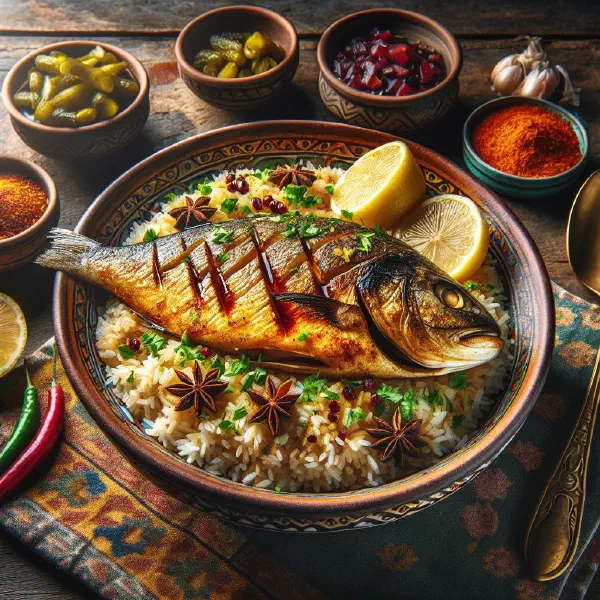
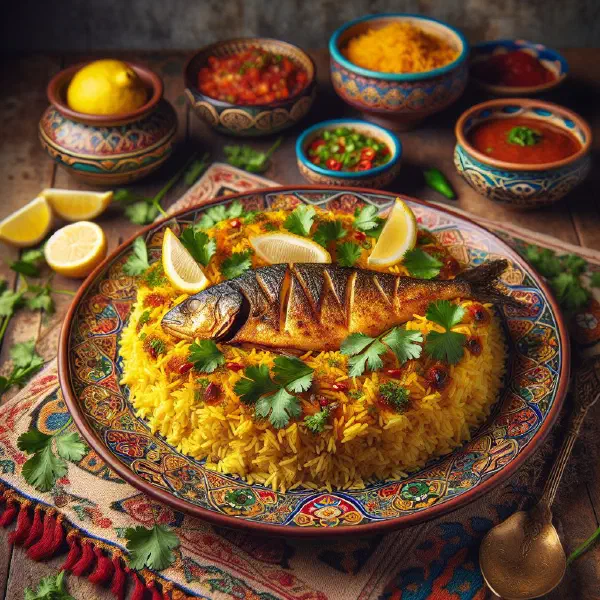
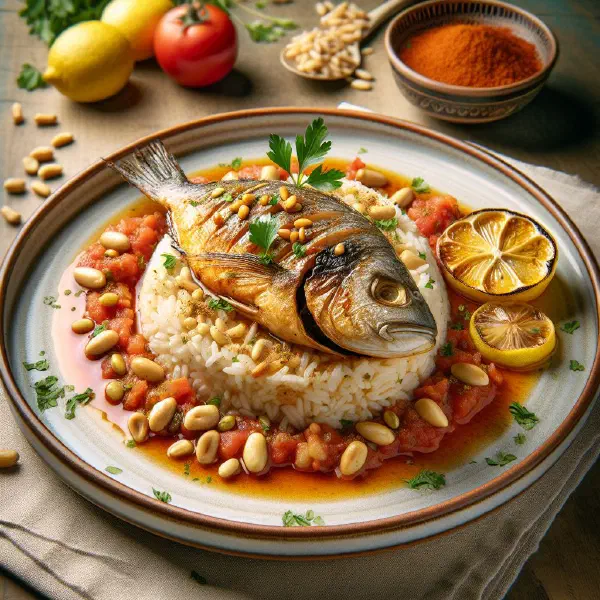
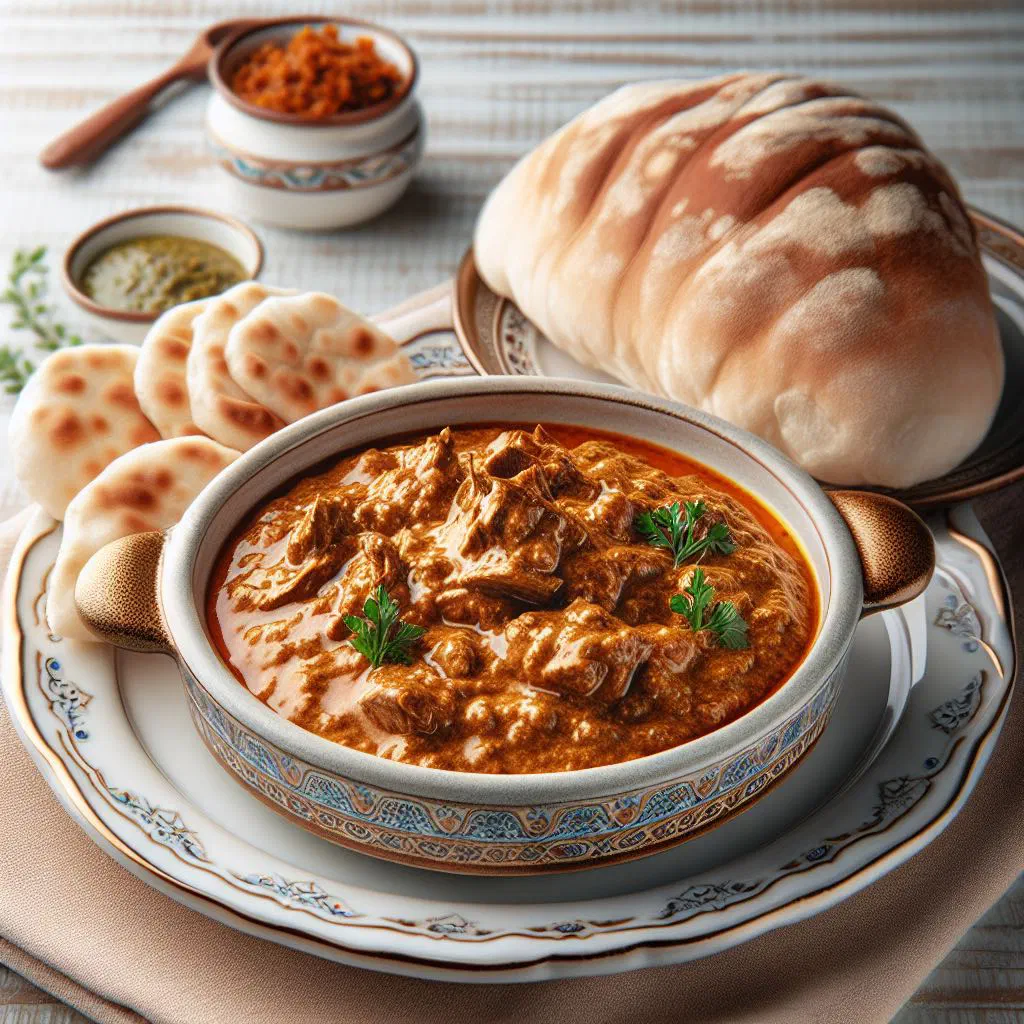
The presentation of Al Madrooba can greatly enhance the dining experience. Serve the dish on a large, decorative plate and garnish it with fresh herbs and lemon slices. Small bowls of extra dips or sauces can also be placed on the table to enrich the meal. Remember to serve the dish straight after cooking, to enjoy the freshest flavours.
A bit of history
Al Madrooba has its roots in traditional Emirati cuisine, which is strongly shaped by the life-giving waters of the Persian Gulf. The dish grew out of the need to create healthy, nourishing meals from the region’s rich marine resources. Over the centuries it has established itself in many families as a source of identity and pride. The ingredients and the preparation have evolved, yet the essence of the dish remains unchanged, a symbol of the hospitality and culture found throughout the Emirati kitchen.
More recipe ideas
Summary: Al Madrooba
All in all, Al Madrooba is a delicious dish and an important part of Emirati culture. Through the combination of tender fish, aromatic spices and fragrant rice, it offers a unique taste experience. Al Madrooba has the potential to enchant you with the magic of Arabic cooking. Let the flavours of the Orient inspire you, and take a piece of the rich culinary tradition of the United Arab Emirates home with you.