National Dish United Arab Emirates: Arabic Coffee (Recipe)
In this article
Discover Arabic Coffee, known across the Gulf as gahwa, a timeless drink cherished as much for its ritual as for its taste. Lightly roasted green coffee beans are simmered with fragrant cardamom and poured from a graceful brass pot into tiny handleless cups. In the United Arab Emirates it sits at the very heart of hospitality, offered to guests as a warm gesture of welcome. Bring a centuries-old tradition into your own kitchen with every aromatic sip.
About Arabic Coffee
Arabic Coffee, also known as gahwa, is a timeless drink admired for its distinctive flavour and for its traditional preparation. In the United Arab Emirates it occupies a central place in the country’s culture and its famous hospitality. With every mouthful you taste centuries of tradition and the careful craftsmanship that goes into each cup. This drink is often the very heart of gatherings and celebrations, bringing people together around a shared pot.
Ingredients (serves 1–2)
- 50 g green coffee beans
- 1 tsp ground cardamom
- 1 tsp sugar (to taste)
- 600 ml water
Shopping for the ingredients
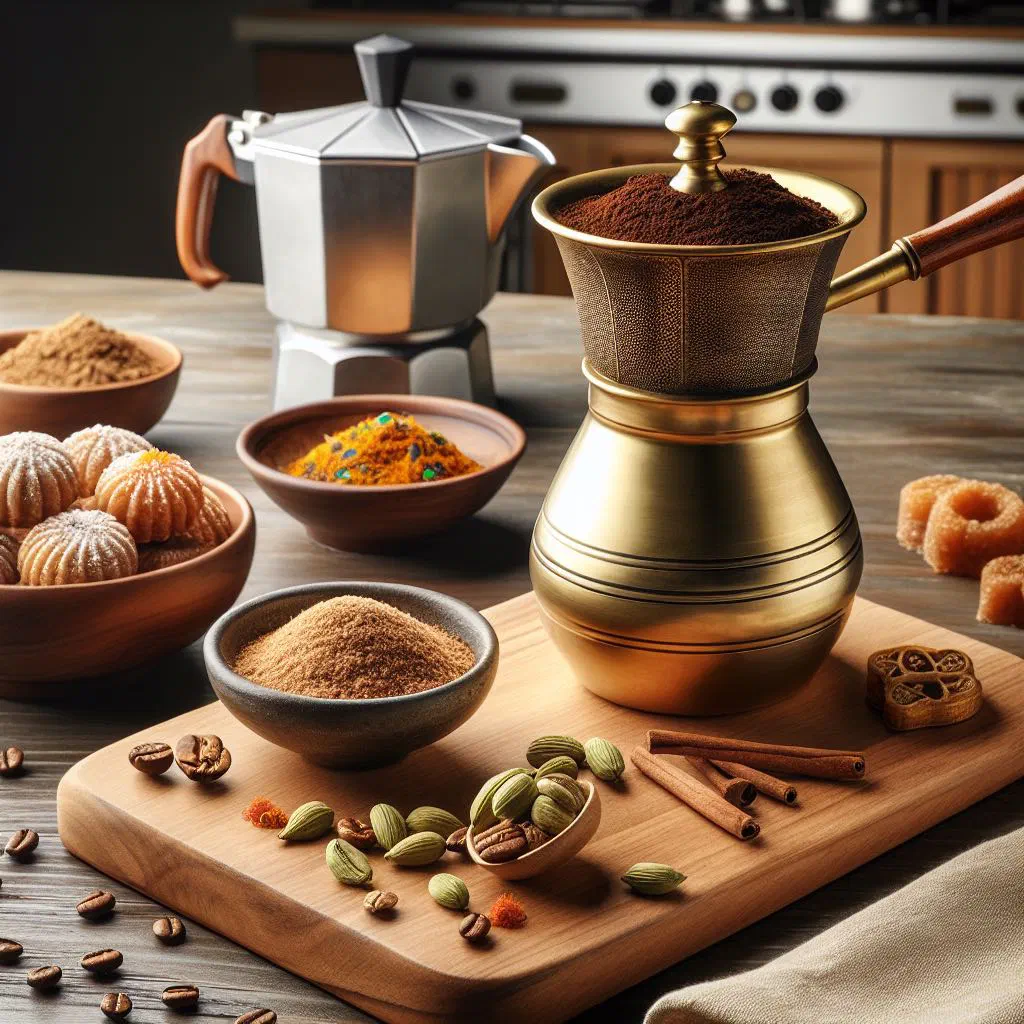
The ingredients for Arabic coffee are available in most supermarkets or specialist food shops. Green coffee beans can sometimes be a little harder to track down, but they are often stocked in Middle Eastern or oriental grocers. Cardamom is the essential spice in this recipe, lending the coffee its characteristic flavour. It is well worth grinding the spices fresh just before brewing to draw out the very best aroma.
Preparing the dish
Preparing Arabic coffee is a simple yet ceremonial process. Begin by roasting the green coffee beans until they take on a golden-brown colour, either in a small pan or in a dedicated roaster. At the same time, open the cardamom pods and remove the seeds, ready to add to the brew later. These steps ensure your coffee develops its unique and unmistakable aroma.
Step-by-step instructions
- Roast the green coffee beans in a pan until they are lightly browned.
- Let the beans cool, then grind them to a medium consistency.
- Bring 600 ml of water to the boil in a dallah or saucepan.
- Add the ground coffee and the cardamom, then let the mixture simmer for 10 minutes.
- Remove the pot from the heat and let the coffee rest for a few minutes.
- Strain the coffee into small cups and serve piping hot.
Gluten-free / lactose-free version
Arabic coffee is naturally gluten-free and lactose-free, since the main ingredients are simply coffee beans and spices. That means people with intolerances or allergies can enjoy this coffee without a second thought. It is important to make sure no milk-based additions are used, so the drink stays entirely suitable. This way the coffee remains pure, clean and authentic.
Tips for vegans and vegetarians
This recipe is suitable for both vegans and vegetarians, as it contains no animal products whatsoever. For a slightly sweeter, creamier note you could stir in a little plant-based milk or plant cream if you wish. These alternatives lend the drink a smoother texture when desired. Adding a pinch of extra spice can also make for an exciting variation on the classic.
More tips and tricks
To enjoy the full flavour of your Arabic coffee, grind the beans right before brewing. If you use a dallah, try to choose one made from copper or brass, as these materials hold the heat evenly and help the aromas develop more fully. Take care not to strain the coffee too early, so it keeps all of its depth. Experiment with your own spice blend to find the perfect combination for your taste.
Adapting the recipe to your taste
There are plenty of ways to tailor this recipe to your personal taste. If you prefer it sweeter, increase the amount of sugar or reach for another sweetener. The strength of the coffee can be adjusted through the quantity of beans or the length of simmering. Experimenting with additional spices such as cinnamon or cloves can also open up interesting new flavour experiences.
Ingredient substitutions
If you cannot find green coffee beans, you can use a good-quality Arabica roasted coffee instead, though the taste will be a little less authentic. Cardamom can be swapped for other spices, but the aroma of the traditional brew will not have quite the same effect. The sugar, too, can be replaced with honey or stevia to suit your preference.
Drink pairing ideas
Arabic coffee pairs beautifully with a range of accompaniments to create a balanced tasting experience. A few good options include a minty tea for a refreshing contrast, or the cooling yoghurt drink Laban with Mint. Freshly pressed juices such as pomegranate offer a sweet-sour note that works well alongside the coffee, and the tangy Tamarind Juice is another lovely choice. Consider how the drinks might vary depending on the occasion and the mood.
Serving and presentation ideas
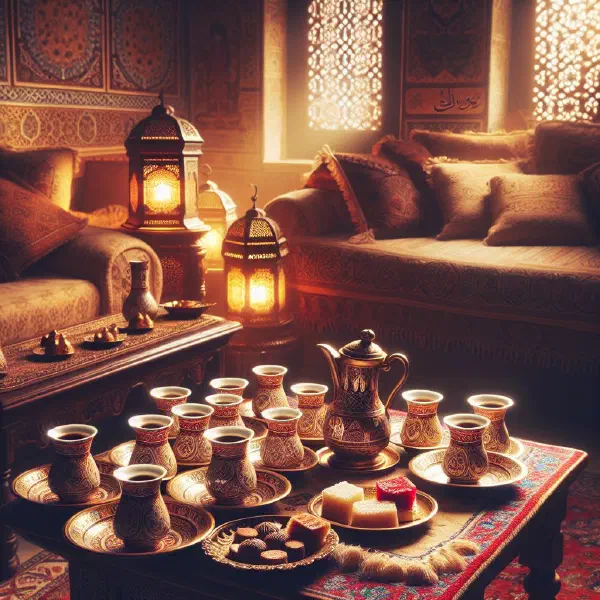
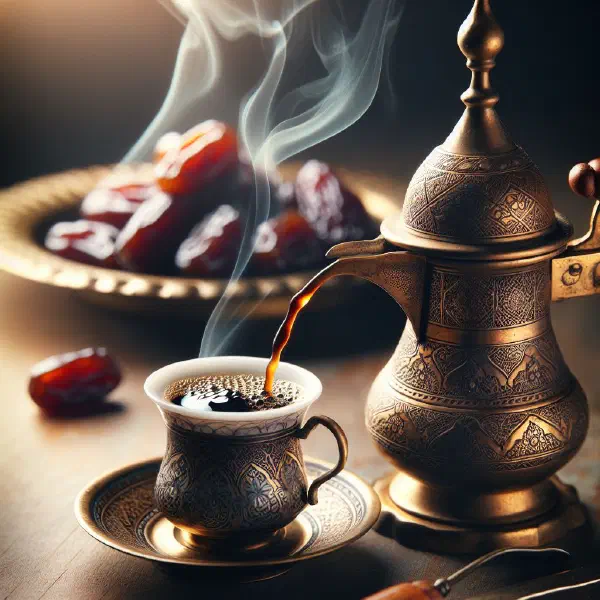
Presentation plays an important role in the enjoyment of Arabic coffee. Serve it in traditional, beautifully patterned cups and use a dallah for the brewing to underline its authentic character. Adding a few soft dates on the side is a wonderful way to enrich the experience. Set a small selection of spices on the table so guests can refine their coffee to their own taste.
A bit of history
The origins of Arabic coffee reach back to the 15th century, when it was first cultivated in Yemen. The brewing and enjoyment of coffee soon became central to Arab culture, appearing at social gatherings and religious ceremonies alike. Coffee was traditionally prepared in the dallah, a symbol of Arab hospitality that endures to this day. Now Arabic coffee is a cherished part of the cultural heritage across many lands in the Arab world and a proud feature of Emirati cuisine.
More recipe ideas
Summary: Arabic Coffee
Arabic coffee is far more than just a drink; it is a fascinating part of the culture of the United Arab Emirates, weaving together tradition and hospitality. With its unique aromas and its traditional preparation, it draws people together and creates memorable moments. Try our recipe to experience the authentic ritual in your own kitchen. Whether for special occasions or simply for its own sake, Arabic coffee is always a fine choice.