National Dish United Arab Emirates: Aseedah (Recipe)
In this article
Meet Aseedah, the comforting national dish of the United Arab Emirates. This warming bowl of smooth, golden semolina, gently tinted with turmeric, is spooned up alongside tender spiced meat or hearty pulses. Simple yet soul-satisfying, it carries centuries of desert hospitality in every mouthful. Bring a taste of the Emirates to your own table with this easy, home-style recipe.
About Aseedah
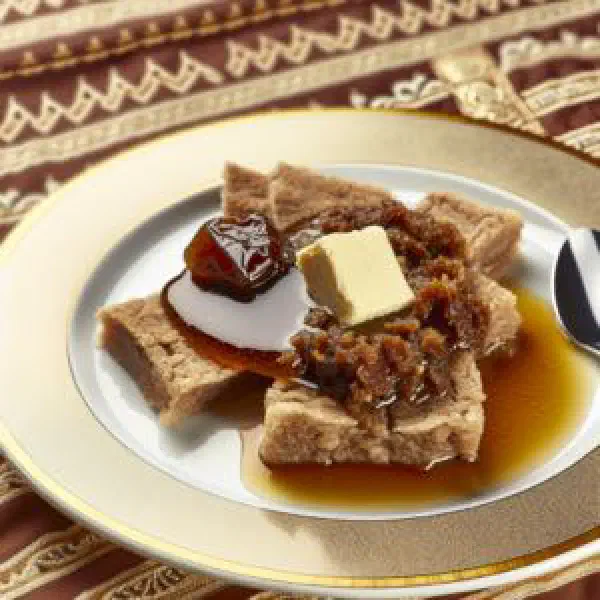
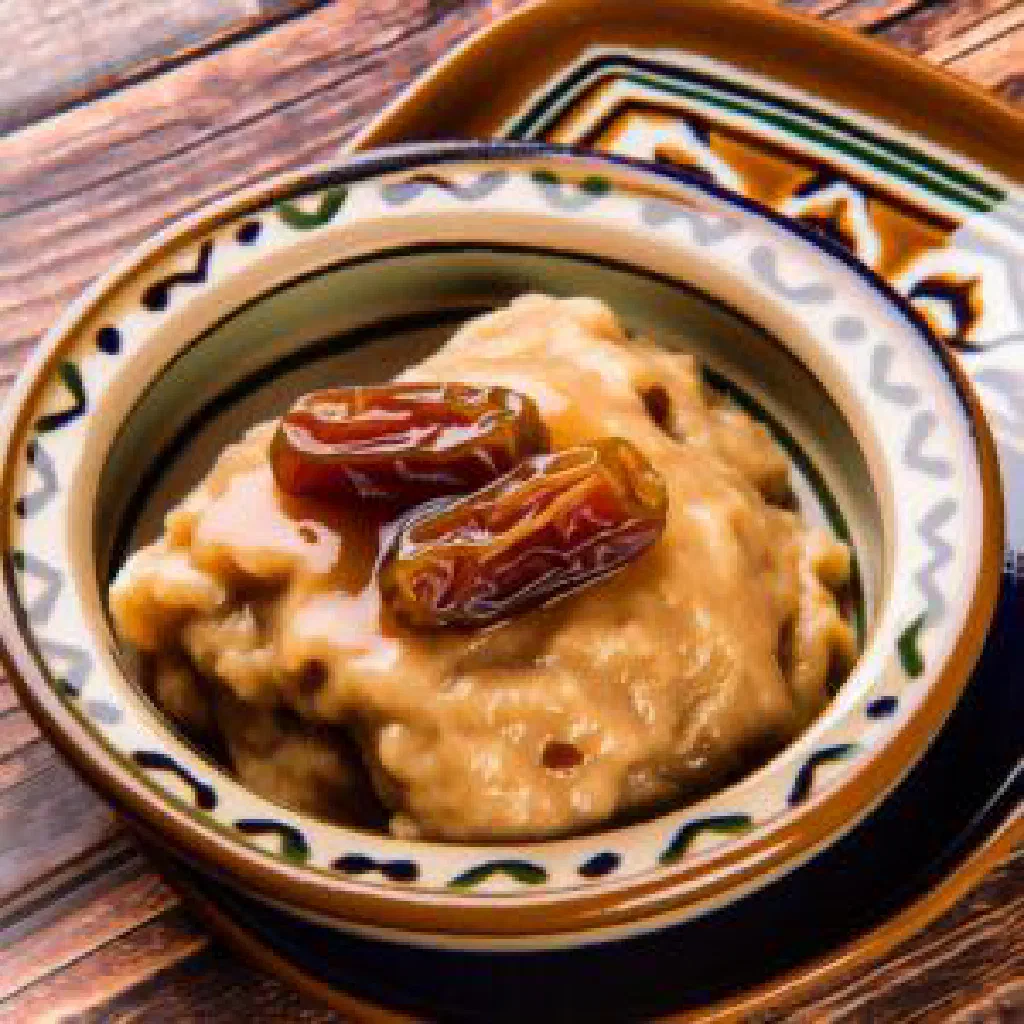
Aseedah is the national dish of the United Arab Emirates and captures the country’s traditional cuisine in its purest form. This distinctive dish is made from durum wheat semolina, water and turmeric, which give it a characteristic golden colour and a delicate flavour. It is often served with tender meat or pulses, brought to life by a range of warming, savoury spices. More than just a meal, Aseedah reflects the deep-rooted hospitality and love of good food that run through the whole region.
Ingredients (serves 1–2)
- 1 cup durum wheat semolina
- 2 cups water
- 1/2 teaspoon turmeric
- 1 teaspoon salt
- 200 g tender meat (such as lamb or chicken) or pulses
- 1 teaspoon mixed spices (such as cumin and coriander)
Shopping for the ingredients
The ingredients for Aseedah are available in most supermarkets or specialist food shops. Be sure to choose a good-quality durum wheat semolina to achieve the best texture and flavour. For the meat, it is worth buying fresh, well-marbled cuts to keep the dish tender and juicy. If you opt for pulses, remember to soak them beforehand to shorten the cooking time.
Preparing the dish
Preparing Aseedah is relatively straightforward and takes only a few steps. First, gather all your ingredients and measure out the quantities. If you are using pulses, don’t forget to soak them in advance so they cook evenly. When it comes to the spices you can be creative, adding extra aromas that appeal to you. Much like a hearty Harees, a little groundwork goes a long way.
Step-by-step instructions
- Bring the water to the boil in a pan and add the salt and turmeric.
- Slowly stir the durum wheat semolina into the boiling water to prevent lumps from forming.
- Reduce the heat and let it simmer, stirring constantly, until the semolina is soft and creamy.
- In a separate pan, fry the meat or pulses with the spices until cooked through and aromatic.
- Arrange the Aseedah on plates and top with the meat or pulses.
Gluten-free / lactose-free version
For a gluten-free version of Aseedah, you can use gluten-free semolina or cornmeal in place of the durum wheat semolina. Just make sure all the other ingredients are gluten-free too. For a lactose-free option the original recipe is already suitable, as no dairy products are used. By choosing plant-based fats such as olive oil instead of butter, you can also make the dish fully vegan.
Tips for vegans and vegetarians
Vegans and vegetarians can adapt Aseedah easily by replacing the meat with vegetables or plant-based protein sources such as lentils or chickpeas. These alternatives are nutritious and add wonderful flavour. Add extra vegetable stock and spices while frying to deepen the aroma. Don’t forget to scatter over freshly chopped herbs such as coriander or parsley for a final touch of freshness.
More tips and tricks
To give Aseedah extra flair, experiment with different spices to tailor the flavour to your own taste. Traditional Emirati cooking often calls on cinnamon, cloves and garlic, which add an exotic note. You can also play with various toppings, such as toasted nuts or dried fruit, to vary both texture and taste. Aseedah reheats beautifully, so it can be made ahead of time, a handy option when you are cooking for guests.
Adapting the recipe to your taste
The flexibility of this dish makes it easy to suit individual palates. If you enjoy a little heat, add chilli flakes or fresh chilli. For a touch of sweetness, stir through dried fruit such as raisins or a splash of rose water. Aseedah also lends itself well to variations built around regional ingredients or seasonal vegetables. Don’t be shy about getting creative and developing your very own version.
Ingredient substitutions
If you don’t have some of the ingredients to hand, there are several alternatives worth trying. Instead of durum wheat semolina you can use couscous or rice for a similar texture. If you are looking for plant-based protein, consider soy products or tempeh, which enrich the dish nicely. Finally, different vegetable stocks or spice blends can be used to give the dish a variety of flavours, much as they do in a comforting Tabbouleh.
Drink pairing ideas
Choosing the right drink can enhance the whole Aseedah experience. Classic pairings include mint tea or pomegranate juice, which harmonise perfectly with the dish’s savoury notes. For a refreshing twist, serve a citrusy drink such as lemonade or ginger tea. If you prefer an alcoholic option, a mild beer or a glass of white wine rounds off the flavour of the Aseedah nicely.
Serving and presentation ideas
Presentation can make Aseedah even more appealing. Serve it in pretty, shallow bowls and garnish with fresh herbs and toasted nuts to add colour and texture. Reach for traditional tableware that reflects the cultural heritage of the Emirates. If you are preparing the dish for a special occasion, think about typical Emirati decorations for a festive touch, the same care you might bring to serving Shawarma at a gathering.
A bit of history
Aseedah has a deeply rooted tradition in the culture of the United Arab Emirates. Historically it was prepared by nomadic peoples in search of nourishing, reliable food. The dish is a symbol of Emirati hospitality and is often served at celebrations and special occasions. Thanks to the influences of the many cultures that have passed through the region over the centuries, Aseedah has undergone a fascinating culinary evolution, a story it shares with much of the broader Emirati cuisine.
More recipe ideas
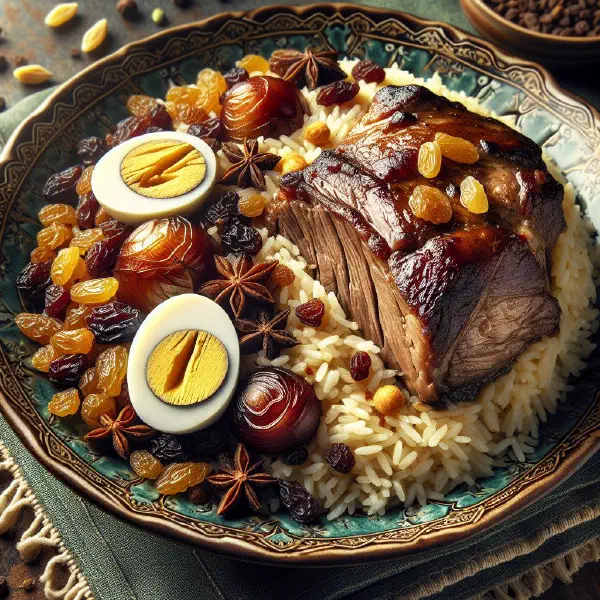
- Majboos – an aromatic rice dish with spices and meat
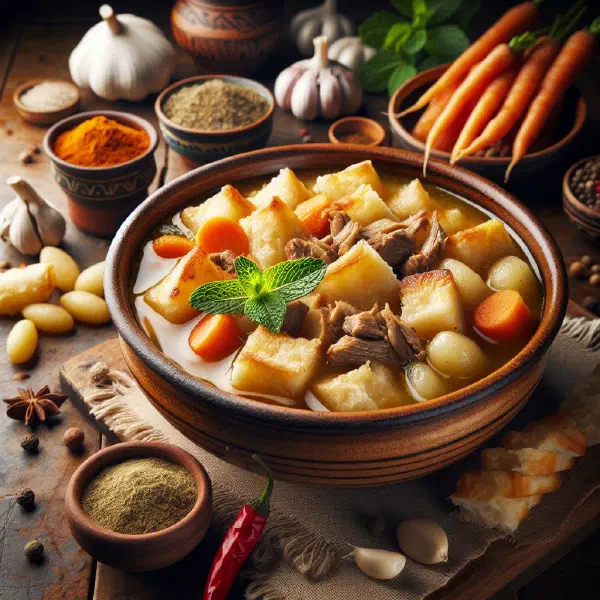
- Harees – a slow-cooked blend of wheat and meat
- Shawarma – marinated meat served in a flatbread
- Tabbouleh – a fresh salad of bulgur, parsley and tomatoes
- Falafel – deep-fried chickpea balls, perfect as a snack
Summary: Aseedah
Aseedah is a delicious, traditional dish from the United Arab Emirates that pleases the palate and reflects the culture and hospitality of the region. Made from durum wheat semolina, turmeric and a variety of spices, it offers plenty of scope for adaptation to suit every taste. A vegan or a committed meat lover, Aseedah can easily be adjusted to your preferences. Its combination of rich flavours and simple preparation makes this dish a must for anyone keen to discover Emirati cuisine.