National Dish United Arab Emirates: Mashkhool (Recipe)
In this article
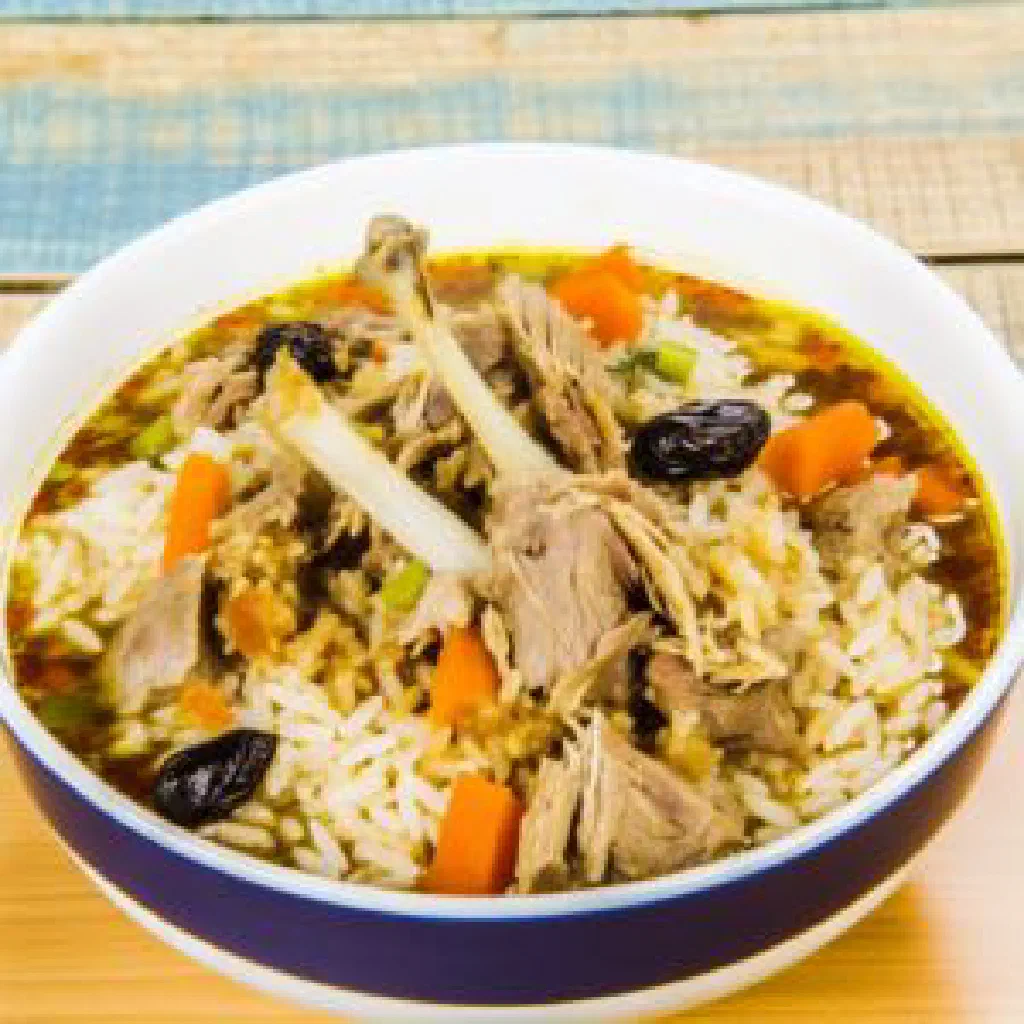
Meet Mashkhool, a celebratory dish from the United Arab Emirates that turns a family gathering into a feast. Tender meat is simmered slowly with fragrant basmati rice and a warming blend of Arabic spices, filling the kitchen with the aroma of cardamom, cumin and cinnamon. More than just a meal, it stands for hospitality and the deep-rooted traditions of Emirati culture. Bring a taste of the Gulf to your own table with this comforting, richly spiced classic.
About Mashkhool
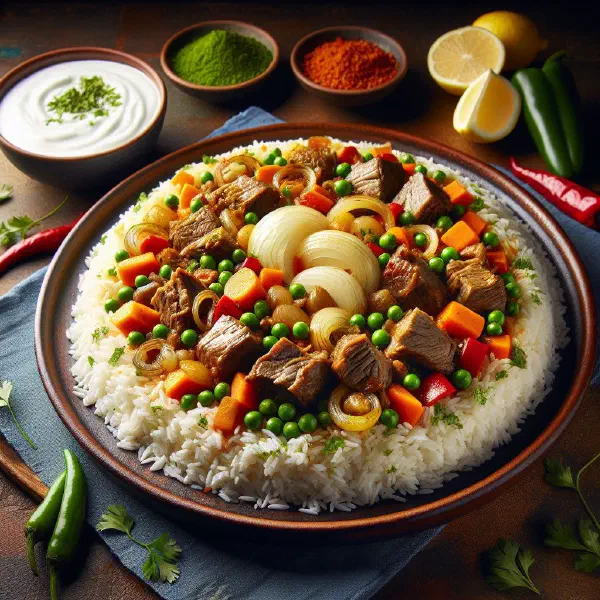
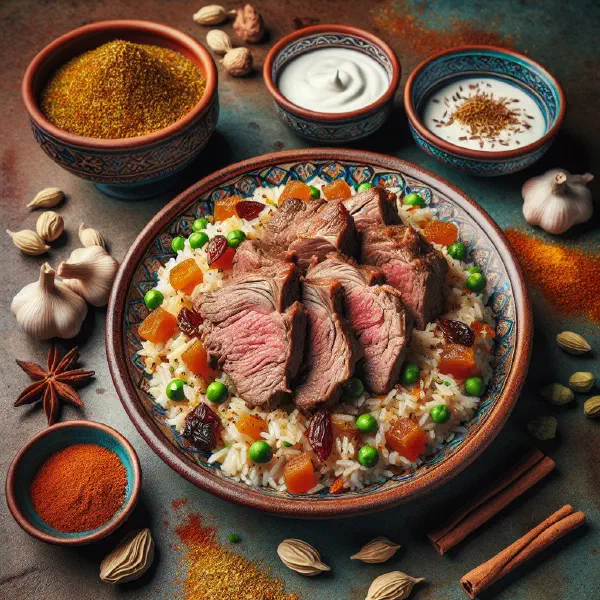
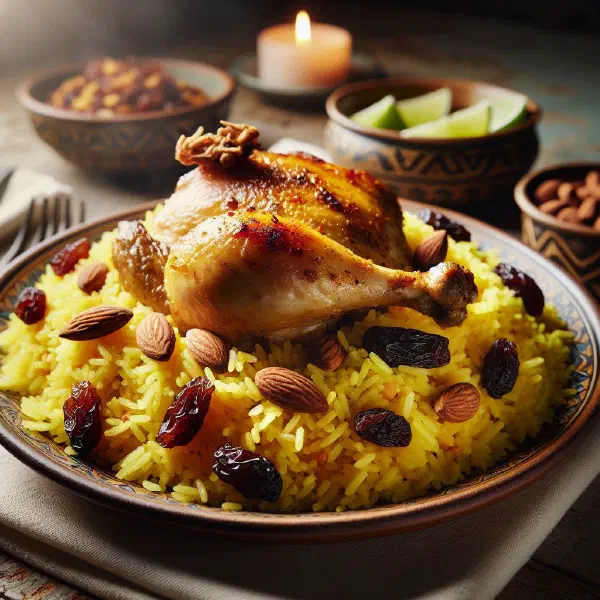
Mashkhool is a traditional dish from the United Arab Emirates, served above all at festive occasions. It brings together tender lamb or beef with fragrant rice and an array of aromatic spices that deliver a memorable burst of flavour. The dish symbolises hospitality and the deep connection to Arabic culture that runs through Emirati cooking. Preparing Mashkhool is an experience for all the senses, one that appeals to the palate and warms the soul in equal measure.
Ingredients (serves 1–2)
- 300 g lamb or beef
- 200 g basmati rice
- 1 large onion
- 2 cloves of garlic
- 1 teaspoon cumin
- 1 teaspoon cinnamon
- 1 teaspoon cardamom
- 1 teaspoon turmeric
- 1 tablespoon ghee or vegetable oil
- Salt and pepper, to taste
- Water, for cooking
Shopping for the ingredients
When shopping for Mashkhool, it pays to focus on quality. Visit local markets to pick up fresh meat and good basmati rice. The spices are available in any well-stocked grocery shop, and it is worth choosing high-quality spices to bring out the full flavour of the dish. Plan your cooking in good time, as some ingredients may not always be in stock. Many of the same warm spices also appear in a hearty Kabsa Lahem.
Preparing the dish
Preparing Mashkhool involves a few steps that together lead the dish to perfection. First, cut the meat into even cubes and finely chop the onion and garlic. Have your spices measured out and ready so you can add them to the pan as soon as the cooking begins. Good preparation makes for a smooth cooking process and an even better result.
Step-by-step instructions
- Heat the ghee or vegetable oil in a large pot and sauté the chopped onion until translucent.
- Add the garlic and cook briefly until fragrant.
- Add the diced meat and brown it all over.
- Stir in the spices (cumin, cinnamon, cardamom, turmeric) and mix well with the meat.
- Pour in enough water to cover the meat and bring everything to the boil.
- Reduce the heat and let the meat simmer for about 1 to 1.5 hours, until tender.
- Rinse the basmati rice well and add it to the meat. Top up with enough water so the rice is just covered.
- Bring the rice to the boil, then lower the heat and simmer, covered, for about 20 minutes until the rice is cooked.
- Take the dish off the heat and let it rest for a few minutes before serving.
Gluten-free / lactose-free version
Mashkhool is naturally gluten-free and lactose-free when you use the classic ingredients. Take care not to introduce any additional gluten-containing items during cooking, so the dish stays true to the original recipe. If you would like to add nuts or other extras that might contain gluten, choose gluten-free alternatives. For a lactose-free version, the ghee can be swapped for plant-based fats, which carry the aromas beautifully.
Tips for vegans and vegetarians
For vegans and vegetarians, Mashkhool is easily adapted by replacing the meat with vegetables or plant-based proteins. Courgettes, aubergines or chickpeas are excellent alternatives that keep the character of the original dish. Make sure the spices remain rich and aromatic so you still get that burst of flavour. Increase the quantity of vegetables to create a hearty, satisfying meal.
More tips and tricks
A few tips can help you improve your Mashkhool. If you want the meat even more tender, let it simmer for longer and add a little lemon juice during cooking. This helps make both the meat and the rice more flavourful. Use a heavy casserole or a steamer for even cooking and the best aromas. Experiment with the spices to find the perfect blend that suits your taste.
Adapting the recipe to your taste
Adapting Mashkhool to your personal preferences is just as important as preparing the dish itself. If you like things hotter, you can add chilli or other fiery spices. For a Mediterranean touch, fold in olives or feta cheese to give the dish depth and richness. Draw on your own creativity to craft a unique experience that will impress your guests.
Ingredient substitutions
If you do not have every ingredient to hand, there are various alternatives you can use. Instead of lamb or beef, you could reach for chicken or turkey, as in a comforting Chicken Salona. The rice can be replaced with quinoa or bulgur wheat to bring a new flavour. Experiment with different vegetables to give your dish greater variety.
Drink pairing ideas
To accompany Mashkhool at its best, certain drinks work particularly well. A refreshing mint water or a fruity pomegranate mocktail make excellent partners. Alternatively, traditional Arabic teas pair wonderfully with this dish, much like the aromatic Gahwa enjoyed across the region. These drinks underline the rich flavour of the meal and encourage a harmonious dining experience.
Serving and presentation ideas
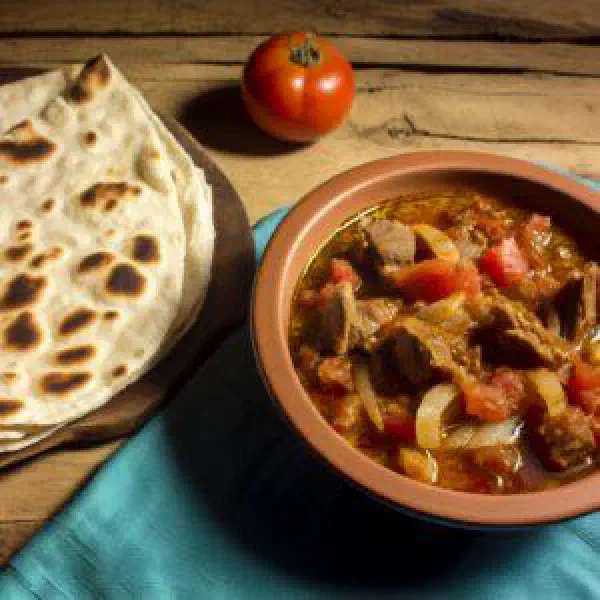
The presentation of your Mashkhool can lift the whole impression of the dish. Use large, flat platters and garnish with fresh herbs such as coriander or parsley for colour and aroma. Offer some yoghurt and flatbread on the side to round out the flavour combination, a warm Khameer Bread is a natural match. Remember, the presentation reflects the rich heritage and tradition behind the dish.
A bit of history
The roots of Mashkhool reach far back into Arabic history. Originally intended as a feast for weddings and special occasions, it mirrors the rich culture and heritage of the UAE. Every family recipe is unique and may be passed down from generation to generation, which makes the tradition all the more precious. The dish stands for togetherness, sharing and the hospitality so treasured in Arabic culture and across Emirati cuisine.
More recipe ideas
Summary: Mashkhool
In short, Mashkhool is not merely a dish but a tour that reflects the warm traditions of Arabic culture. It unites the flavours of tender meat, fragrant rice and delicious spices into one harmonious blend. Whether for festive occasions or simply for an everyday meal, Mashkhool is a delicious choice that enriches any table. Let this recipe inspire you and share a piece of Arabic culture with those you love.