National Dish United Arab Emirates: Mumawwash (Recipe)
In this article
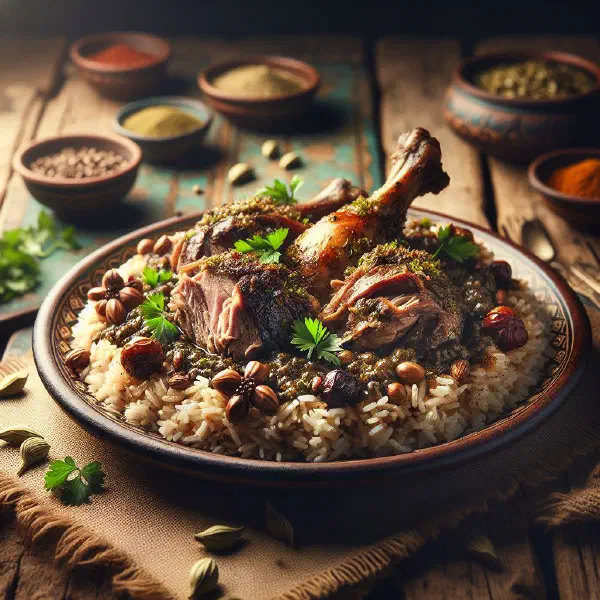
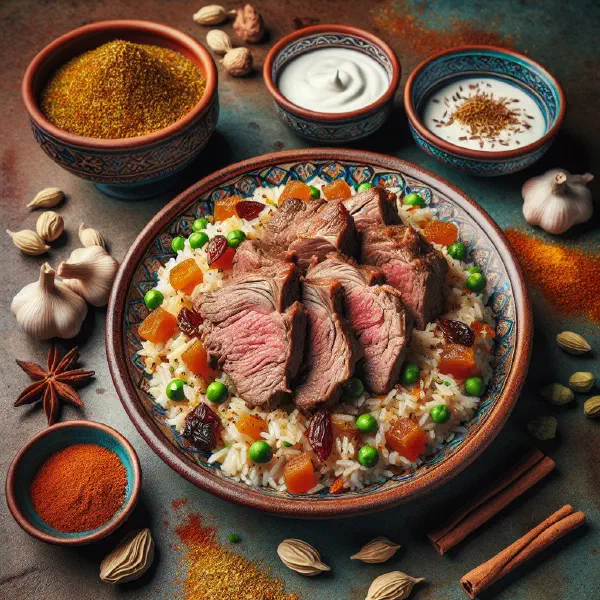
Say hello to Mumawwash, a celebratory dish that captures the warmth and generosity of Emirati kitchens. Tender meat and fragrant spiced rice are tucked beneath a wafer-thin pastry crust that bakes to a beautiful golden brown, filling the room with the scents of cumin and cinnamon. It is the kind of dish made in generous quantities to gather friends and family around the table, and it brings a genuine taste of the Middle East straight into your own home.
About Mumawwash
Mumawwash is a traditional dish that reflects the rich culture and history of the United Arab Emirates. It brings the flavours of the region together in a delicious combination of tender meat, spiced rice and a paper-thin pastry shell. This particular way of cooking not only puts the distinctive taste of the Middle East on the table but is also a real feast for the senses. Perfectly suited to celebrations and special occasions, Mumawwash is often prepared in larger quantities to please guests and loved ones alike.
Ingredients (serves 1–2)
- 250 g tender meat (e.g. lamb or chicken)
- 150 g rice
- 50 g onions, finely chopped
- 2 cloves garlic, crushed
- 1 tsp cumin
- 1 tsp cinnamon
- Salt and pepper, to taste
- 1 sheet filo or puff pastry
- Oil, for frying
- Water, for cooking
Shopping for the ingredients
To find the best ingredients for your Mumawwash, it is important to pay attention to quality. Local markets or Arabic grocery shops often stock the freshest and most authentic produce. When choosing the meat, look for fresh, high-quality cuts for the finest flavour. For the spices, opt for whole spices or ones freshly ground with a mortar and pestle so the full aroma can develop, much as it would in a fragrant Chicken Machboos.
Preparing the dish
Before you begin cooking Mumawwash, it is wise to prepare all your ingredients carefully. That means cutting the meat into small pieces and having the spices at the ready. The rice should also be washed and, if you like, part-cooked so it reaches the perfect texture. Good preparation makes the cooking process far easier and helps you get the very best result.
Step-by-step instructions
- Brown the meat in a pan with a little oil, then add the onions and garlic.
- Stir in the spices, such as cumin and cinnamon, along with salt and pepper.
- Add the part-cooked rice to the meat and mix well.
- Grease a suitable baking dish with a little oil and spread the mixture evenly inside.
- Lay the filo or puff pastry over the top and seal the edges well.
- Bake in a preheated oven at 180°C for about 30 minutes, until the pastry is golden brown.
Gluten-free / lactose-free version
For a gluten-free and lactose-free version of Mumawwash, simply choose a gluten-free pastry or dough product. Some cooks even use vegetable leaves as an alternative to the pastry shell. When picking your meat and side dishes, look out for lactose-free options so the dish suits everyone at the table. With these adjustments the delicious flavour stays intact and the tradition is preserved.
Tips for vegans and vegetarians
For a vegan or vegetarian version of Mumawwash, you can swap the meat for plant-based alternatives such as tofu, seitan or lentils. These ingredients offer not only a similar texture but a tasty flavour too. Add vegetables like carrots, peas or peppers for extra nourishment and colour. This approach makes the dish healthier and more interesting to eat.
More tips and tricks
To refine your Mumawwash, add a squeeze of lemon juice or a little pomegranate molasses for an extra hit of freshness. Experiment with the spices, swapping standard seasonings for more exotic varieties can bring out entirely new flavours. Presentation matters too: serve the dish on a beautifully arranged plate to make it even more appetising.
Adapting the recipe to your taste
The Mumawwash recipe is easy to adjust to your own preferences. Vary the meat or use a blend of different oils for a particular flavour. If you like a spicier note, add chilli or hot spices. When it comes to the rice, you can use other varieties such as basmati or wholegrain, depending on your personal taste and dietary needs.
Ingredient substitutions
If you do not have certain ingredients to hand, there are plenty of alternatives for Mumawwash. Instead of lamb you could use chicken or beef, both of which are equally delicious. Rice can be replaced with couscous or quinoa, which makes the dish a little lighter. The choice of spices can be adjusted too, so you can pick them according to availability or preference, a versatility shared by the beloved Harees.
Drink pairing ideas
Arabic teas and fresh fruit juices go wonderfully with Mumawwash. A refreshing mint tea is a traditional companion that complements the flavours of the dish. If you prefer something with a little alcohol, try a light wheat beer or a rosé wine, which pairs well with the spices. Just take care not to choose drinks that are too heavy, so the focus stays on the food. A cup of Gahwa is another authentic finish to the meal.
Serving and presentation ideas
Presentation can add considerably to the overall impression of Mumawwash. Serve it on a large, flat platter and decorate with fresh herbs such as mint or coriander. To make the dish even more attractive, add toasted nuts or dried fruit, which bring colour and texture. An appealing presentation whets the appetite and lends a festive atmosphere to the meal.
A bit of history
Mumawwash has its roots in the traditional cuisine of the United Arab Emirates and reflects the cultural diversity of the region. It is not merely a dish but also a symbol of hospitality and togetherness. In many Arabic cultures, sharing a meal is an important part of social life. With its history and its method of preparation, Mumawwash brings people together to enjoy the delicious flavours of the Middle East, very much in the spirit of the wider Emirati cuisine.
More recipe ideas
Summary: Mumawwash
In summary, Mumawwash is a memorable dish that brings the traditional flavours of the United Arab Emirates together perfectly. It offers plenty of ways to adapt it to suit every taste. Whether for special occasions or simply to enjoy on an ordinary day, making Mumawwash serves up a feast and a piece of culture and tradition. Let this delicious dish inspire you, and give it a try for yourself.