National Dish United Arab Emirates: Zaatar Manaqish (Recipe)
In this article
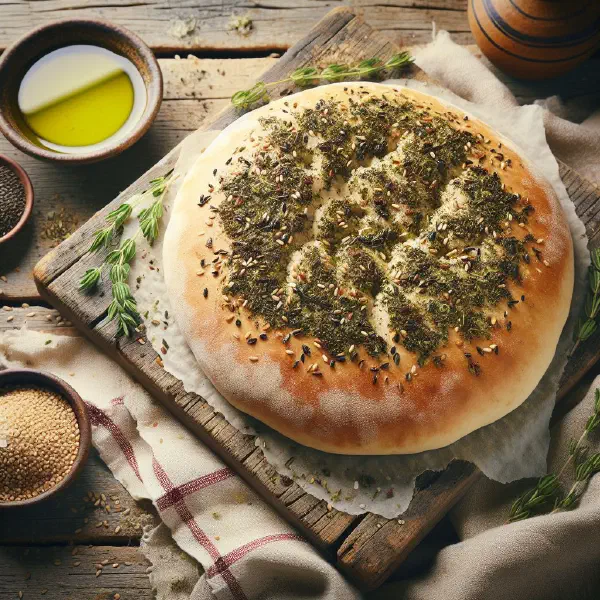
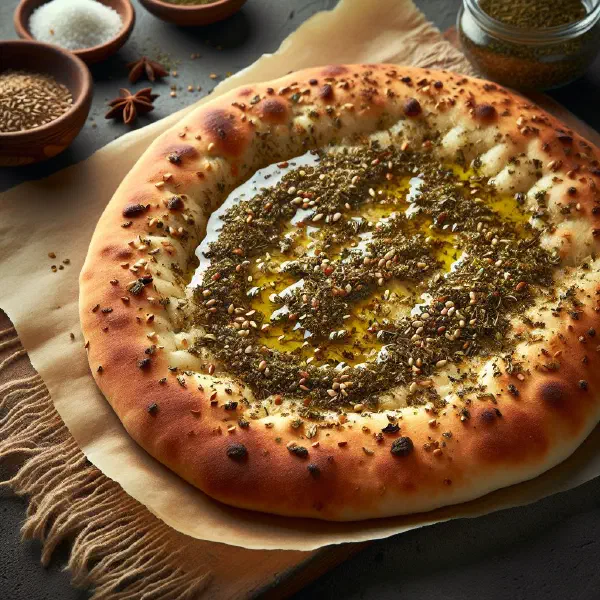
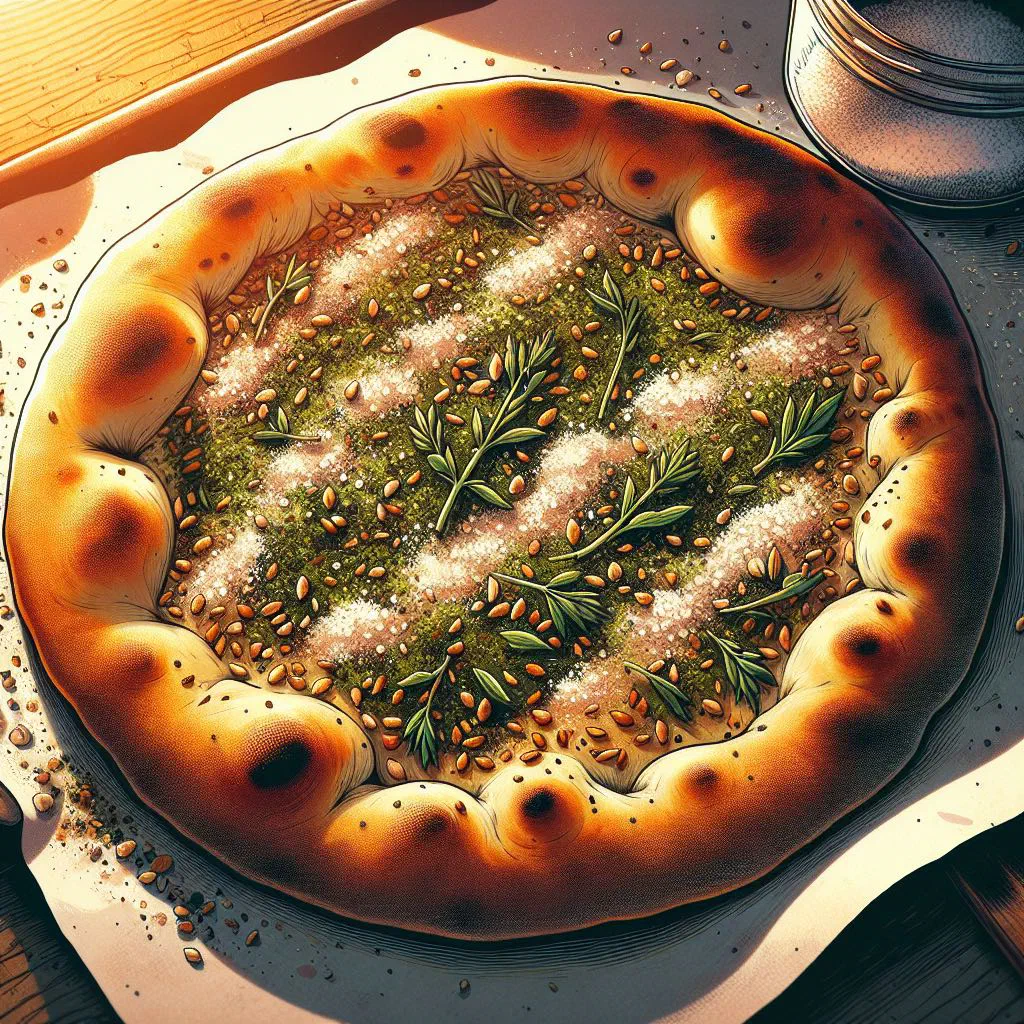
Meet Zaatar Manaqish, one of the most beloved flatbreads of the United Arab Emirates and the wider Middle East. A crisp, freshly baked dough is generously brushed with olive oil and scattered with a fragrant blend of herbs and spices known as zaatar. Simple yet deeply aromatic, it works beautifully as a morning snack, a light lunch or a shared plate at the table. Bake a batch at home and you will bring the warm, sun-soaked flavours of the Gulf straight into your own kitchen.
About Zaatar Manaqish
Zaatar Manaqish is a traditional dish from the United Arab Emirates, celebrated for its easy preparation and its wonderfully aromatic flavours. It brings together a crisp, golden dough and a distinctive mixture of herbs, spices and olive oil. The dish is a firm favourite with locals and visitors alike, enjoyed as a snack or a light main course. Thanks to its versatility, Zaatar Manaqish can be savoured at any time of day, carrying the taste of the Orient right to your table.
Ingredients (serves 1–2)
- 250 g plain wheat flour
- 1 teaspoon salt
- 150 ml warm water
- 3 tablespoons olive oil
- 2–3 tablespoons zaatar (herb blend)
- 4 tablespoons olive oil, for the topping
Shopping for the ingredients
If you want to make Zaatar Manaqish, you can pick up most of the ingredients at your local supermarket or health-food shop. Be sure to choose a good-quality olive oil, as it makes a real difference to the final flavour of the dish. The zaatar herb blend is usually found in Middle Eastern or Arabic grocery stores, much like the spices behind a warming bowl of Hummus. If you have trouble tracking it down, plenty of online suppliers stock these products too.
Preparing the dish
Before you start making Zaatar Manaqish, it is worth getting all your ingredients measured out and ready to go. Weigh the flour and salt into a bowl and mix them together well. Warm the water to a comfortable temperature. Not too hot, so that it will activate the yeast if you choose to use fresh yeast. It is also a good idea to prepare your baking tray in advance by lining it with baking paper or lightly greasing it.
Step-by-step instructions
- Mix the flour and salt together thoroughly in a bowl.
- Slowly add the warm water and 3 tablespoons of olive oil, then knead until the dough is smooth and elastic.
- Leave the dough to rest for about 30 minutes, until it has doubled in size.
- Preheat the oven to 220°C (conventional heat).
- Roll out the dough on a floured surface and shape it into flatbreads.
- Brush the flatbreads with 4 tablespoons of olive oil and scatter them generously with zaatar.
- Bake in the preheated oven for about 10–15 minutes, until golden brown.
- Serve the warm flatbreads straight from the oven, perhaps with fresh vegetables or yoghurt.
Gluten-free / lactose-free version
If you would like to make Zaatar Manaqish without gluten, you can use gluten-free flour to prepare the dough. Ready-made gluten-free flour blends work well too, though you should make sure all the other ingredients are gluten-free as well. For a lactose-free version, simply swap any yoghurt for a plant-based alternative. That way the dish stays enjoyable and easy to digest for everyone.
Tips for vegans and vegetarians
Zaatar Manaqish is an ideal choice for vegans, as it is entirely plant-based. Feel free to replace the olive oil with other plant-based oils or fats to suit your taste. Just take care to choose vegan options for any toppings you add. Fresh herbs such as parsley or mint also make a lovely finishing touch, lending the flatbreads an even more aromatic flavour.
More tips and tricks
A few simple tricks can help you make your Zaatar Manaqish even better. Experiment with the zaatar blend by adding a little lemon or sesame for a special twist. Let the dough rest a little longer before rolling it out for a better texture. Getting the baking time right is key, so keep an eye on the flatbreads in the oven to reach the perfect golden colour. Using a pizza stone can also boost that satisfying crispness.
Adapting the recipe to your taste
The recipe for Zaatar Manaqish is easy to adapt to your personal preferences. Add nutty ingredients such as pine nuts or pistachios to give the dish a special character. Varying the zaatar blend with different herbs, dill or thyme, for instance, can create exciting new flavours, much as fresh herbs transform a bright bowl of Tabouleh. If you like a bit of heat, mix in some chilli flakes or fresh chilli.
Ingredient substitutions
If you do not have every ingredient for Zaatar Manaqish to hand, there are plenty of alternatives. Instead of wheat flour, you could use spelt or wholemeal flour to give the flatbreads a coarser texture and extra nutritional value. For the herb blend, fresh herbs such as oregano or thyme deliver delicious results too. Different varieties of olive oil can be swapped for other oils, such as grapeseed or sunflower oil, depending on your taste.
Drink pairing ideas
A range of drinks pairs beautifully with Zaatar Manaqish for a well-rounded meal. A refreshing mint tea or black tea makes a lovely accompaniment and underlines the Middle Eastern character of the dish. Freshly pressed juices, such as lemon or pomegranate, are another delicious option. For those who enjoy an alcoholic drink, a light, fruity white wine complements the flavours nicely.
Serving and presentation ideas
The way you present Zaatar Manaqish can greatly enhance the eating experience. Serve the flatbreads on a large, attractive platter and garnish them with fresh herbs or a drizzle of olive oil. Alongside, you might offer finely chopped vegetables or a dip of yoghurt and mint. A rustic wooden board gives the whole dish an inviting, authentic look and makes the meal all the more enjoyable.
A bit of history
Zaatar Manaqish has its roots in the Middle East and is especially popular in the United Arab Emirates. This dish is thought to have been eaten for centuries, and it plays a central role in traditional Arabic cooking. The zaatar blend itself symbolises the connection between region and culture, as it varies from place to place. Zaatar Manaqish is a fine example of the simplicity and yet powerful flavours of Emirati cuisine, still treasured to this day.
More recipe ideas
Summary: Zaatar Manaqish
All in all, Zaatar Manaqish is a versatile and delicious dish that is simple to prepare and perfect for any occasion. It captures the flavours of the Orient and invites you to get creative with the ingredients. Let the simplicity and wholesome charm of this dish win you over, and enjoy a taste of Arabic culture right in your own kitchen.