National Dish Uzbekistan: Bademjan (Recipe)
In this article
Discover Bademjan, the warmly spiced aubergine dish that has been a fixture of Uzbek tables for generations. It brings together fresh summer vegetables and the earthy, unmistakable note of toasted cumin, and it works just as happily as a side dish as it does as a light main course. Simple to make and endlessly forgiving, it is the ideal introduction to the flavours of Central Asia.
About Bademjan
Bademjan is a savoury, generously spiced aubergine dish from Uzbekistan, prized for the way it balances fresh ingredients with traditional seasoning. It can be served as a side dish alongside grilled meat or as a main course in its own right, which makes it a wonderfully flexible part of any meal. For anyone keen to explore Uzbek cuisine and try something new, it is the perfect starting point.
Ingredients (serves 1–2)
- 2 large aubergines
- 4 cloves of garlic
- 1 onion
- 2 tomatoes
- 1 teaspoon cumin
- Salt and pepper to taste
- Fresh parsley, to garnish
- Olive oil for frying
Shopping for the ingredients
To make an authentic bademjan, it pays to shop carefully. Aubergines are the heart of the dish and should be firm, glossy and heavy for their size. Look for ripe vegetables free of brown patches or soft spots. Fresh herbs such as parsley add brightness and colour, while spices like cumin give the dish its characteristic flavour, a market stall or a good greengrocer will usually serve you better than a supermarket shelf.
Preparing the dish
The groundwork for bademjan is straightforward but makes all the difference to the finished flavour. Begin by washing the aubergines and cutting them into slices roughly 1 cm thick. Sprinkle the slices with salt and leave them to stand for about 30 minutes to draw out excess moisture and any bitterness. While they rest, dice the onion and the tomatoes and finely chop the garlic, so that everything is ready to come together quickly in the pan.
Step-by-step instructions
- Rinse and pat dry the aubergine slices, then fry them in a pan with a little olive oil until golden brown on both sides.
- In a second pan, soften the onion and garlic until translucent.
- Add the diced tomatoes and the cumin, stirring well to combine.
- Return the fried aubergines to the pan, season with salt and pepper, and let everything simmer for a few minutes.
- Garnish with fresh parsley and serve hot.
Gluten-free / lactose-free version
Bademjan is naturally gluten-free and lactose-free, which makes it an excellent choice for anyone with particular dietary needs. It contains no wheat-based ingredients and no dairy whatsoever, so it can be enjoyed without hesitation. Do check any pre-mixed spice blends or bottled sauces you might add, as these occasionally hide traces of gluten or milk powder.
Tips for vegans and vegetarians
Bademjan is a perfect dish for vegans and vegetarians, since it contains no animal products at all. To boost its nutritional value, add other vegetables such as peppers or courgettes, which bring extra colour and sweetness. Serve it with quinoa or rice for a complete meal, or offer it alongside a tray of Barbecued Vegetables for a generous vegetarian spread.
More tips and tricks
The single most useful trick is salting the aubergines before frying. This makes them less bitter and stops them soaking up quite so much oil, giving you a lighter, healthier result. It also helps to fry the vegetables in a properly hot pan so they take on some caramelisation, which deepens the flavour considerably. Experiment with different spices to tune the dish to your own palate.
Adapting the recipe to your taste
Bademjan adapts readily to personal preference. Add more garlic or a pinch of chilli if you like things sharper and hotter, or hold back on the spices for something gentler. Other vegetables can be folded in to raise the nutritional content and vary the texture. Try a few combinations and settle on the version that suits you best. There is no single correct recipe.
Ingredient substitutions
If aubergines are hard to find, or you simply fancy a change, courgettes or peppers make excellent stand-ins. Both bring plenty of flavour of their own and sit comfortably with the rest of the ingredients. For extra texture, scatter over some chopped walnuts before serving, a nutty crunch that echoes the sweet-savoury layering you find in Dimlama. The dish stays just as healthy and just as delicious.
Drink pairing ideas
Plenty of drinks work beautifully with bademjan. A cool yoghurt drink such as Ayran is a refreshing companion that sets off the spicing nicely. If you prefer wine, a light red or a crisp white both hold their own. For an alcohol-free option, homemade lemonade or a fragrant herbal tea will refresh the palate and complement the dish’s warm, savoury notes.
Serving and presentation ideas
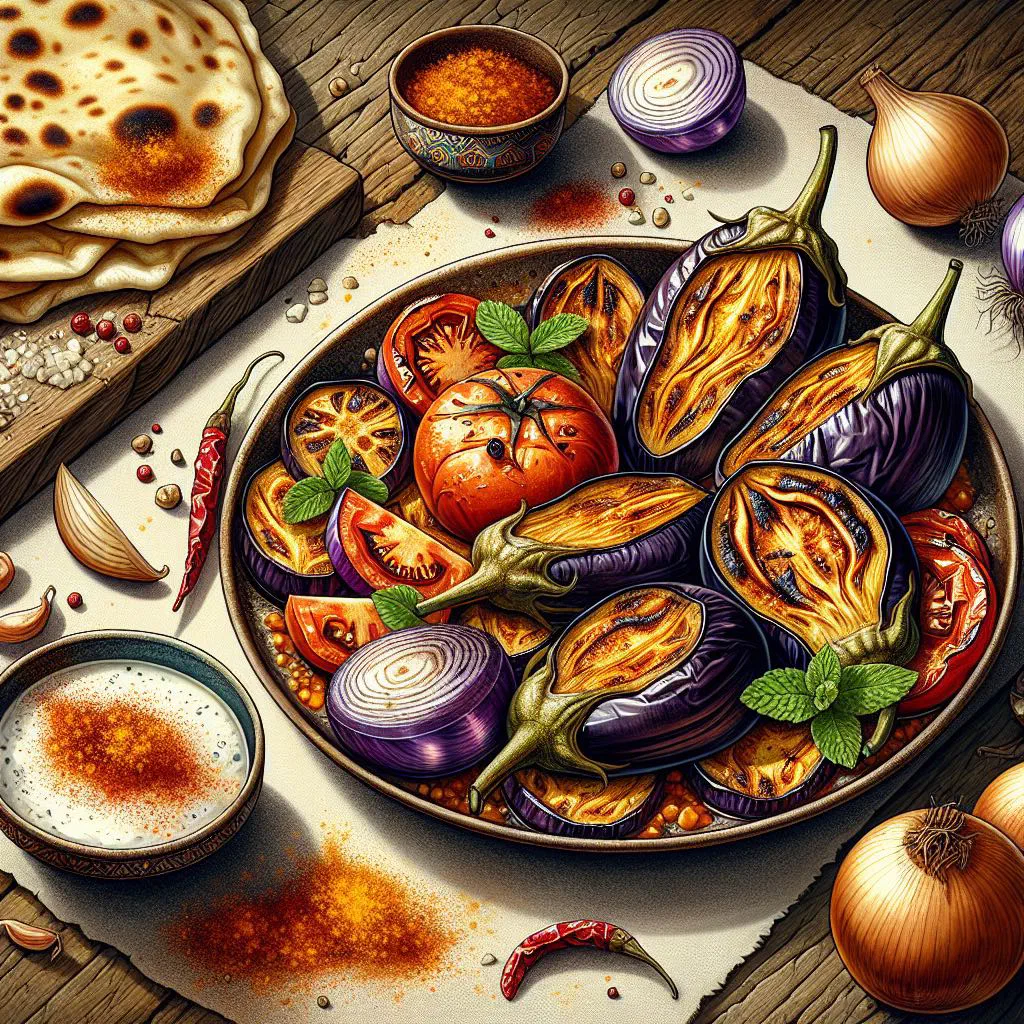
Presentation matters as much as flavour. Serve bademjan on an attractive platter and garnish it generously with fresh parsley or mint for a lively contrast of colour. A small bowl of yoghurt on the side not only looks appealing but adds a cooling element to each mouthful. A basket of warm Obi Non for mopping up the juices completes the table.
A bit of history
Bademjan has a long history in Uzbek cuisine and has been a much-loved dish for centuries. The aubergine was first domesticated in India, travelled west into Persia, and from there found its way into the kitchens of Central Asia. The dish is a fine example of the region’s rich culinary heritage and of its enduring reliance on fresh, seasonal produce, the same instinct that shapes so much of Uzbek cooking. Every family and every region has its own version, which is part of the charm.
More recipe ideas
Summary: Bademjan
Bademjan is a simple yet wonderfully flavourful dish that brings the aromas of Uzbekistan straight into your kitchen. With its fresh ingredients and its readiness to be adapted, it suits vegans and vegetarians perfectly. Preparation is uncomplicated and takes only a handful of steps, so a rustic but genuinely delicious meal is never far away. Give bademjan a try and let the variety and depth of this traditional Uzbek dish win you over.