National Dish Uzbekistan: Dolma (Recipe)
In this article
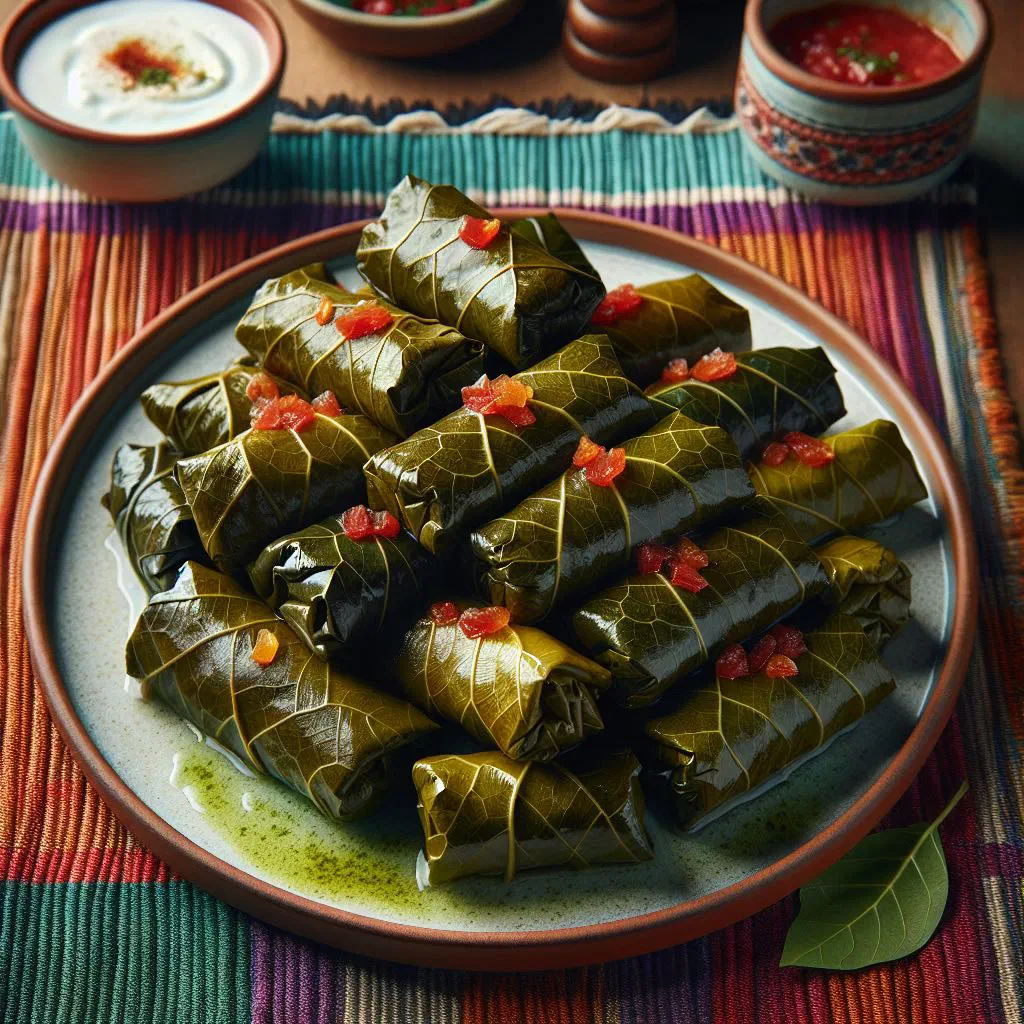
Discover Dolma, one of Uzbekistan’s most treasured dishes. Tender vine leaves are wrapped around a fragrant filling of rice, meat and warming spices, then gently simmered until meltingly soft. It is a dish made for sharing, the kind that appears at family gatherings and celebrations, where rolling the parcels together is half the pleasure. Bring a taste of the old Silk Road to your own table.
About Dolma
Dolma holds a special place in Uzbek cooking, valued as much for its cultural weight as for its flavour. The stuffed vine leaves are traditionally filled with a mixture of rice, meat and a generous range of spices, giving each little parcel a taste all of its own. This delicacy is often served at family celebrations and on special occasions, which says a great deal about its standing in Uzbek gastronomy. Making dolma is not simply a matter of cooking. It is a tradition passed down from one generation to the next.
Ingredients (serves 1–2)
- 10–12 fresh vine leaves
- 100 g rice
- 150 g minced meat (lamb or beef)
- 1 onion, finely chopped
- 2 garlic cloves, crushed
- 1 tsp paprika
- 1 tsp cumin
- Salt and pepper to taste
- A squeeze of lemon juice
Shopping for the ingredients
When shopping for dolma, choosing fresh ingredients matters above all for the vine leaves. They can be bought either fresh or preserved in brine, though fresh leaves give the best flavour. With the minced meat, look for good quality so the finished dish stays properly juicy. The spices, too, should be as fresh and unprocessed as possible if they are to release their full aroma.
Preparing the dish
Before you start assembling your dolma, brined vine leaves need a good soak in water. Fresh leaves can be briefly blanched to soften them, which makes them far easier to roll around the filling. The mixture of rice, meat and spices should be thoroughly combined and well seasoned, since it is the heart of the dish. Take your time mixing everything properly so the flavours have a chance to marry.
Step-by-step instructions
- Prepare the vine leaves, blanching them briefly if needed.
- Cook the rice until half done, then leave it to cool.
- In a bowl, combine the minced meat, onion, garlic, rice and spices and mix well.
- Take a leaf, place a little filling on it and roll it up carefully.
- Layer the stuffed leaves in a pan, add a splash of water and simmer until the leaves are tender.
- Serve the dolma with a squeeze of lemon juice.
Gluten-free / lactose-free version
Dolma is straightforward to prepare and adapts easily to a gluten-free and lactose-free diet. Use certified gluten-free rice to rule out any problems for those with an intolerance. Instead of the usual minced meat you can also try vegetarian and vegan alternatives, such as a mixture of lentils and vegetables. The dish contains no dairy in the first place, which makes it suitable for almost everyone at the table.
Tips for vegans and vegetarians
Vegan and vegetarian versions of dolma can be every bit as flavourful as the original. In place of meat, use a filling of cooked rice, chickpeas, finely chopped vegetables and spices. This keeps the parcels hearty and aromatic rather than thin or bland. Fragrant herbs such as parsley or dill are worth adding too, as they deepen the flavour considerably, much as they do in a bowl of Chalop.
More tips and tricks
Making good dolma takes a little practice, but these pointers will help you perfect it. Be careful not to overfill the leaves, or wrapping them becomes a struggle. It also helps to roll the parcels tightly so the filling stays put during cooking. Another useful trick is spooning a little tomato sauce over the leaves before simmering, which adds both moisture and flavour.
Adapting the recipe to your taste
The dolma recipe is easy to shape around your own preferences. Experiment with different cuts of meat, or try other varieties of rice to discover new flavours. Adding nuts or dried fruit to the filling brings an interesting texture and a gentle sweetness, a trick borrowed from dishes such as Shirin Plov.
Ingredient substitutions
If you do not have every ingredient for dolma to hand, there are plenty of alternatives. Minced chicken, for instance, works perfectly well in place of lamb or beef. For the filling, quinoa or bulgur are both excellent stand-ins for ordinary rice. Fresh herbs such as mint or basil can also enrich the aromas of your filling and add an unexpected note.
Drink pairing ideas
The flavours of dolma sit beautifully alongside a range of drinks. A traditional Uzbek tea is an excellent choice for complementing the spices. Alternatively, a red wine or a non-alcoholic cocktail with citrus notes both work well. A glass of chilled Ayran is another classic pairing that rounds off the meal and adds to its easy, convivial mood.
Serving and presentation ideas
Presentation can make a real difference to how dolma is enjoyed. Serve the stuffed leaves on a decorative plate and garnish them with fresh herbs such as parsley or mint. A few lemon slices or a yoghurt dip make an attractive and tasty addition on the side. We eat with our eyes first, and an inviting spread will only sharpen your guests’ anticipation.
A bit of history
Dolma has a long history reaching back into antiquity. Originally prepared by the nomadic peoples of Central Asia, it soon became a favourite across the wider region. The dish reflects the cultural diversity of the old Silk Road, where countless influences met and mingled. Today dolma is known not only in Uzbekistan but throughout the Balkans and the Middle East, and it remains a proud fixture of Uzbek cuisine.
More recipe ideas
Summary: Dolma
In short, dolma is not merely a traditional Uzbek dish but a perfect illustration of the region’s rich culinary culture. Prepared and presented with care, it becomes both a feast for the palate and a symbol of hospitality. Cooking and sharing dolma draws family and friends together and creates memories that last long after the plates are cleared. Let it inspire you and give it a go, a flavour that will take you on a tour.