National Dish Uzbekistan: Kazy Beshbarmak (Recipe)
In this article
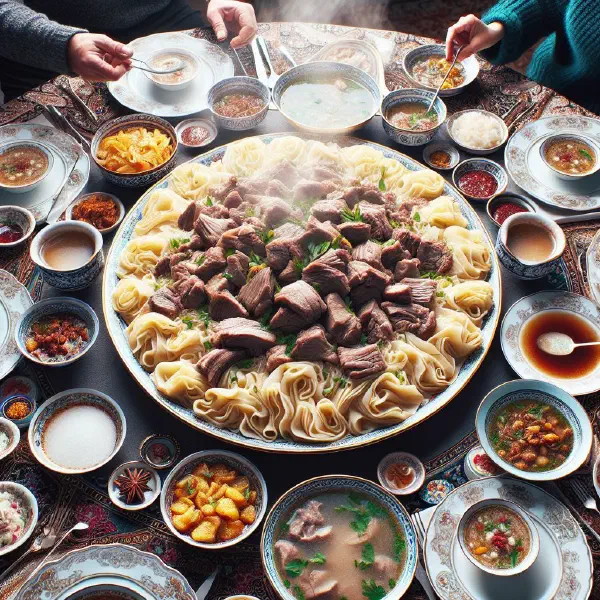
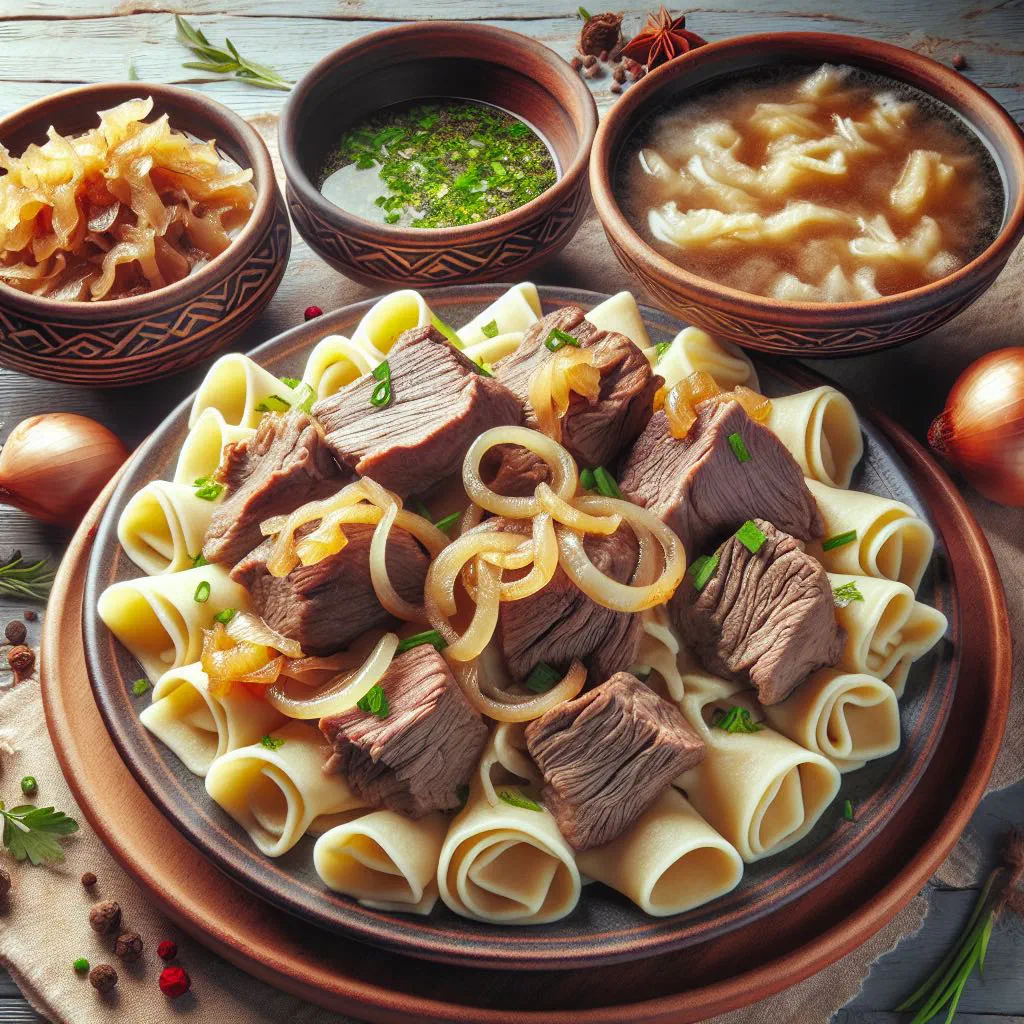
Meet Kazy Beshbarmak, a dish that turns a shared table into an occasion. Tender, slow-simmered meat is spooned over broad sheets of homemade noodles and bathed in a savoury broth, then finished with a handful of fresh herbs. It is the sort of food that arrives on one large platter and invites everyone to reach in together, generous, unhurried and utterly rooted in the steppe traditions of Central Asia.
About Kazy Beshbarmak
The traditional Uzbek dish Kazy Beshbarmak is a treat for the palate and an important part of Uzbekistan’s culture and tradition. It is often served at celebrations and festive gatherings, which has made it a byword for hospitality. The kazy at its heart is usually tender horse meat or lamb, prepared with care so its full flavour can develop. Combined with a homemade noodle base, the dish takes on a character that keeps admirers of Uzbek cooking coming back for more.
Ingredients (serves 1–2)
- 300 g kazy (horse meat or lamb)
- 200 g plain flour
- 1 egg
- Salt to taste
- Pepper to taste
- Fresh herbs (parsley or coriander, for example)
- 1000 ml broth
Shopping for the ingredients
For Kazy Beshbarmak it pays to buy your fresh ingredients from a grocer you trust or from a good market. Look out for high-quality meat, since this is what decides the flavour of the finished dish. The quality of the flour matters too, particularly when it comes to making the noodles. Pick up fresh herbs as well, to round the dish off and give it a lively splash of colour.
Preparing the dish
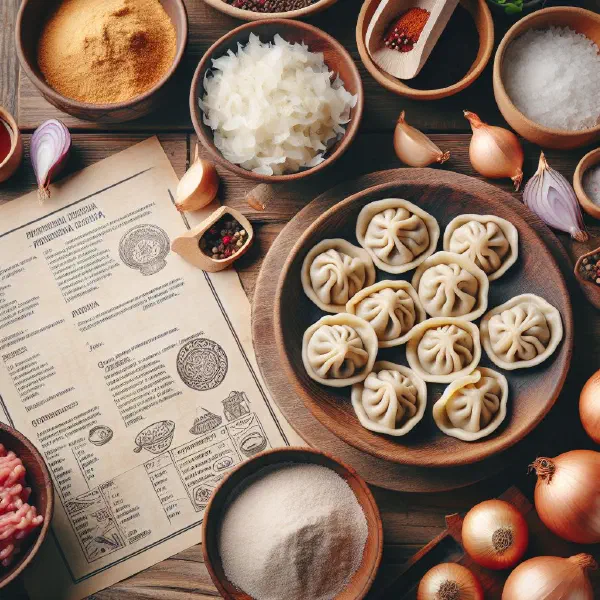
Before you start cooking, gather all the ingredients and clear your work surfaces. The meat needs to be cut into small pieces so that it cooks evenly and handles easily. For the noodles you will need flour, water and egg, mixed thoroughly into a smooth dough. Let the dough rest afterwards so it becomes elastic and easy to roll, the same patience that pays off with Chuchvara or Manti.
Step-by-step instructions
- Cut the kazy into small cubes and brown it in a large pot.
- Pour in the broth and let the meat simmer for about 1–2 hours, until tender.
- Make the noodle dough and roll it out thinly.
- Cut the noodles into the shape you like and cook them in salted water.
- Serve the meat over the noodles and ladle the broth on top.
- Garnish the dish with fresh herbs.
Gluten-free / lactose-free version
For a gluten-free and lactose-free take on Kazy Beshbarmak, use gluten-free flour and replace the noodles with vegetable ribbons or courgette noodles. Check the broth as well, making sure its ingredients are gluten-free, so the dish fits your dietary needs from start to finish. There are also dedicated lactose-free products that slot into the recipe without any fuss. The authentic flavour stays intact, and nobody has to compromise on how they eat.
Tips for vegans and vegetarians
For anyone after a vegan or vegetarian version, this traditional dish adapts readily. Instead of kazy you can use seitan or tofu to achieve a comparable flavour and texture. Vegetable broth makes an excellent base for the sauce and carries plenty of depth on its own. Fresh vegetables can be folded into the noodles too, for a result that is both delicious and nourishing.
More tips and tricks
To make the dish even more flavourful, lift the broth with spices such as cumin or coriander. Experiment with different herb blends to add a personal signature. And remember to simmer the meat long enough for it to turn properly tender, rushing the pot will never give you the texture and taste that define a genuine Uzbek Kazy Beshbarmak.
Adapting the recipe to your taste
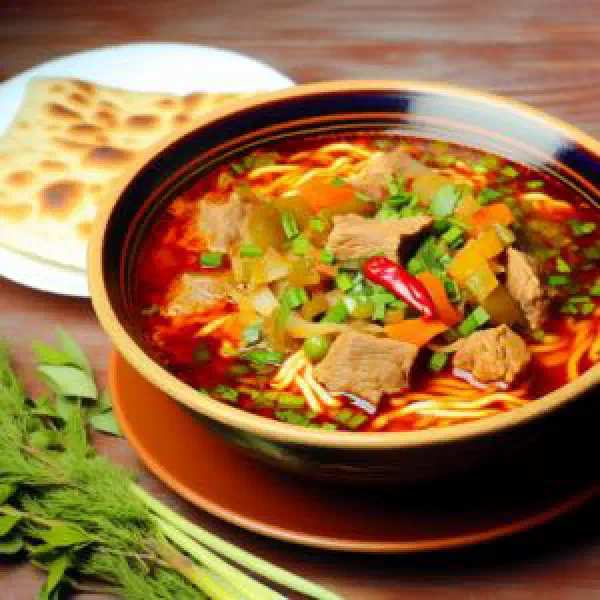
The recipe is easy to bend to your own preferences. If horse meat is not for you, switch to lamb or even beef. The choice of spices and herbs can be varied just as freely to create very different flavour experiences. Playing with the noodle shape or adding vegetables increases the variety further and opens up new combinations, much as it does with a hearty bowl of Lagman.
Ingredient substitutions
If you cannot get hold of every ingredient for a traditional Kazy Beshbarmak, there are plenty of alternatives. In place of kazy you might use chicken or beef, both of which cook well in the broth. For the noodles, rice or potato noodles step in nicely when gluten-free flour is unavailable. It is a fine way to adapt the recipe to whatever is in season or available locally.
Drink pairing ideas
Certain drinks suit a good Kazy Beshbarmak especially well. A mild red wine or a soft white can complement the flavours beautifully. For an alcohol-free option, try minted lime water, a refreshing green tea, or a glass of tangy Ayran. These all harmonise with the robust broth and the tender pieces of meat, pulling the meal together into a single rounded experience.
Serving and presentation ideas
Presentation matters a great deal to a successful Kazy Beshbarmak dinner. Serve the dish on one large platter and garnish it with freshly chopped herbs for an appealing finish. Offer the broth separately in a small pot or bowl so guests can help themselves as they please. A handsome table setting with traditional Uzbek touches completes the picture and conveys that sense of hospitality.
A bit of history
Kazy Beshbarmak has deep roots in Uzbek culture and bears the clear stamp of the nomadic life once led across the Central Asian steppes. The dish is closely tied to feasts, weddings and other celebrations. It reflects the culinary traditions of Uzbek cuisine and the social fabric of the country, where food and community are inseparable. Over the years the recipe has evolved, yet it remains a significant piece of heritage that has won over countless hearts.
More recipe ideas
Summary: Kazy Beshbarmak
Kazy Beshbarmak is a festive dish that wins people over with its tender meat and homemade noodles. Paired with the savoury broth and fresh herbs, it becomes a delicacy that has captured the hearts of many. It offers more than a distinctive flavour but also stories of tradition and hospitality. Whether at a banquet or among friends around one shared platter, Kazy Beshbarmak is well worth trying.