National Dish Uzbekistan: Lagman Soup (Recipe)
In this article
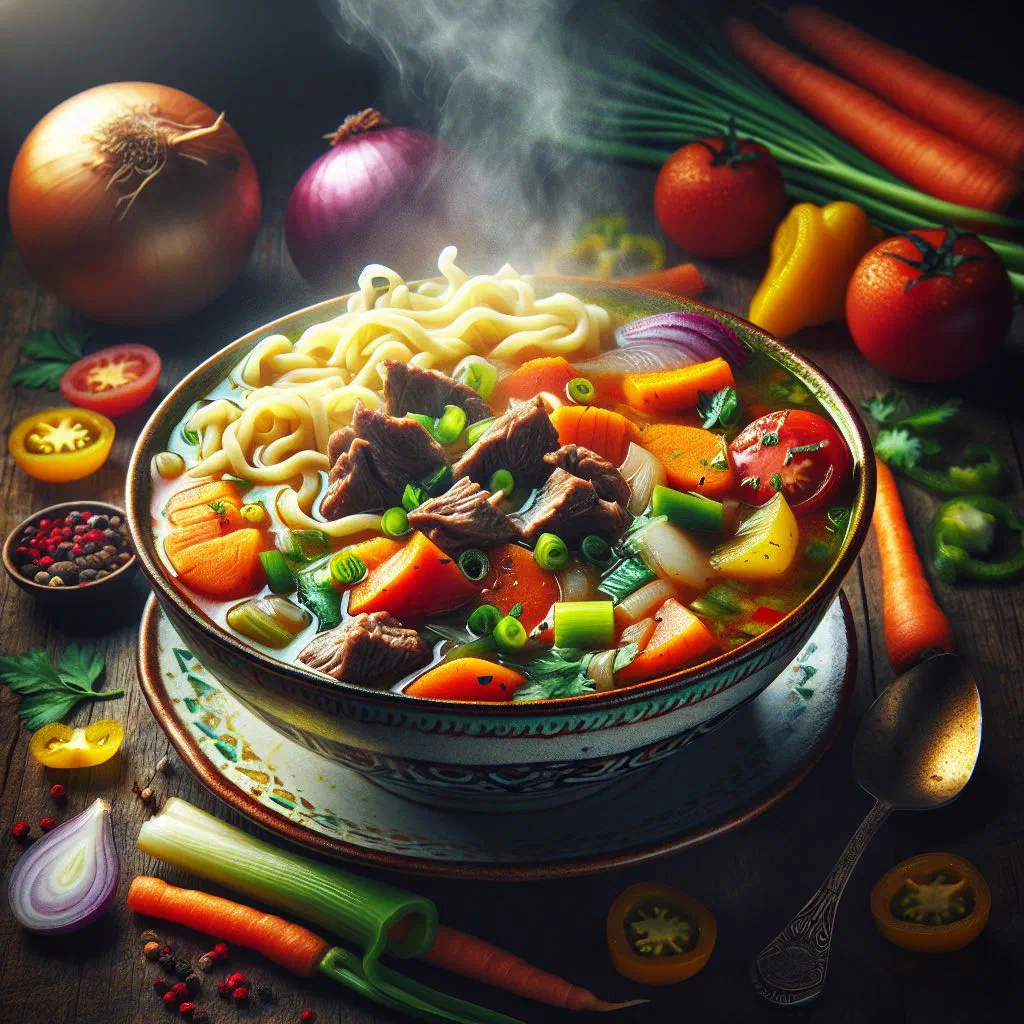
Discover Lagman Soup, the rich, warming bowl that sits at the heart of Uzbek home cooking. Tender noodles, slow-browned meat and a colourful tumble of vegetables simmer together in a fragrant broth that fills the whole kitchen with its aroma. It is the kind of dish that turns an ordinary evening into an occasion, and one taste explains why families across Central Asia have been making it for generations.
About Lagman Soup
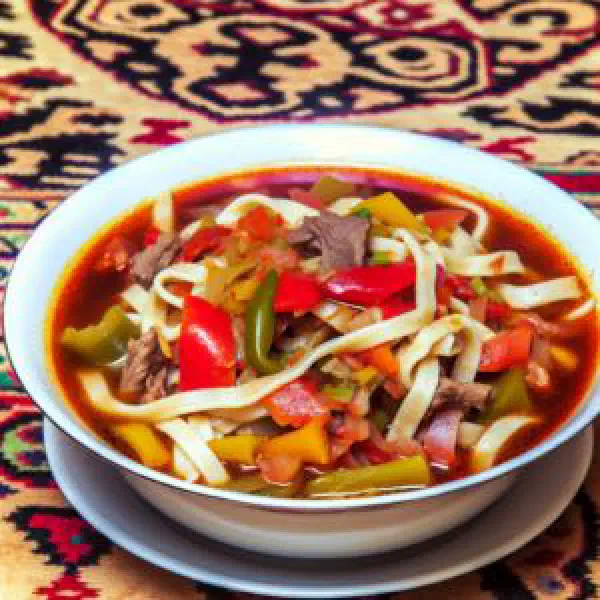
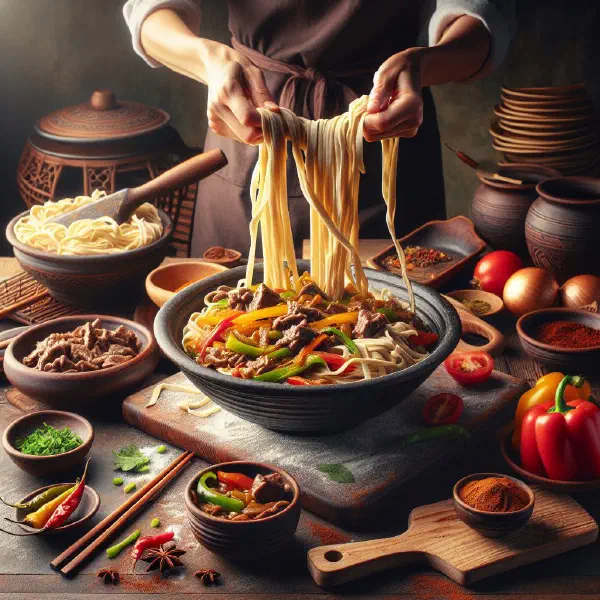
Lagman is a traditional Uzbek soup that wins over anyone with a fondness for hearty food. It brings together fresh hand-pulled noodles, tender meat and a generous variety of vegetables, which together produce a real explosion of flavour. Beyond the taste, lagman carries genuine cultural weight: it stands for community and companionship, and it is regularly served at festive gatherings. Eating this soup is not simply a treat for the palate but an experience that stirs memories of good company around a shared table.
Ingredients (serves 1–2)
- 200 g beef or lamb, cut into cubes
- 100 g lagman noodles, or egg noodles as an alternative
- 1 large onion, diced
- 1 carrot, cut into strips
- 1 pepper, diced
- 2 cloves of garlic, chopped
- 2 tomatoes, diced
- 1–2 tablespoons tomato purée
- 1–2 teaspoons paprika
- Salt and pepper to taste
- Fresh herbs (coriander or parsley), to garnish
- 2–3 tablespoons vegetable oil
- 1 litre water or stock
Shopping for the ingredients
To put together an authentic lagman, choosing the right ingredients matters. Visit a local Asian supermarket or a well-stocked grocer to track down the more specialised items. Look for fresh vegetables and good-quality meat, as both make an obvious difference to the finished flavour. A trip to the market can be inspiring in its own right, since you can buy fresh produce straight from the growers.
Preparing the dish
Good preparation is what makes lagman come together beautifully. Start with the vegetables, cutting everything as described above. The meat should be chopped into small pieces so that it cooks evenly and stays tender. Have every ingredient laid out and within reach before you start cooking. It makes the whole process far more relaxed.
Step-by-step instructions
- Heat the vegetable oil in a large pot and fry the onion until translucent.
- Add the meat and brown it well on all sides.
- Stir in the carrot and pepper and fry for a further 5 minutes.
- Add the garlic and tomato purée, toast briefly, then add the diced tomatoes.
- Pour in the stock or water, bring to the boil, then reduce the heat.
- Meanwhile, cook the noodles according to the packet instructions and drain.
- Add the cooked noodles to the soup, stir well and season to taste.
- Serve the lagman piping hot, garnished with fresh herbs.
Gluten-free / lactose-free version
For a gluten-free version of lagman, use pure rice noodles or even courgette noodles. Both offer a comparable texture and taste every bit as good. Do check that all the other ingredients are gluten-free as well. When it comes to the broth, make sure it contains no gluten-based additives, the same care pays off in a bowl of Ugra Soup.
Tips for vegans and vegetarians
Lagman also works wonderfully as a vegan or vegetarian dish. Simply swap the meat for tofu, seitan or a mixture of mushrooms to vary both flavour and texture. Use vegetable stock in place of meat stock and add more vegetables such as broccoli or courgette to enrich the bowl. Your guests will almost certainly love the variety and the depth of flavour in the meat-free version.
More tips and tricks
Play with the spices and herbs to give the lagman recipe your own signature. Add chilli for heat, for instance, or ginger for an extra layer of aroma. The choice of vegetables can shift too, which keeps the dish fresh and interesting whatever the season. Cook the noodles al dente, as they continue to soften once they go into the hot broth.
Adapting the recipe to your taste
Lagman is an extremely adaptable dish that you can shape around your own preferences. Like it especially meaty? Simply add more meat. If fresh vegetables are more your thing, increase their share generously. The type of noodle can vary as well, so you can cater to what your family or guests enjoy most. Experiment with the flavours until you find the perfect combination for your table.
Ingredient substitutions
If you do not have certain ingredients to hand, there are plenty of alternatives. Instead of beef or lamb, chicken or a plant-based meat substitute works nicely, poultry brings a lighter note, much as it does in Tabaka. For the noodles, hemp or quinoa pasta makes a wholesome change.
Drink pairing ideas
To accompany lagman perfectly, reach for traditional Uzbek drinks such as chai or kompot. These sweet, gently spiced options harmonise beautifully with the savoury depth of the soup. A chilled yoghurt drink like Ayran is another refreshing partner. For anyone who prefers something alcoholic, a light white wine or a fruity rosé also pairs well.
Serving and presentation ideas
Presentation can make a real difference to how lagman is received. Serve the soup in deep, attractive bowls and garnish with fresh herbs. Colourful vegetables help enormously with the look of the finished dish. Remember to put out small bowls of extra spices or sauces so everyone can adjust the seasoning to their liking. Small touches like these turn a meal into an occasion.
A bit of history
Lagman has a long history reaching back across Central Asia, where it is prepared in many different variations. In Uzbekistan it is not merely a dish but a symbol of hospitality, served regularly at celebrations and special gatherings and reflecting the country’s cultural traditions. Making it is often treated as a communal activity that brings people together, in the same spirit as the great rice dishes of Uzbek cuisine.
More recipe ideas
Summary: Lagman Soup
Lagman is more than just a soup; it is a culinary experience that unites tradition and culture in a single bowl. With its wide range of ingredients and flavours, the dish leaves plenty of room to adapt it to individual tastes. Lagman will win over your guests without much effort. Enjoy this delicious introduction to Uzbek cooking and discover the rich culture behind the dish.