National Dish Uzbekistan: Moshkichiri (Recipe)
In this article
Meet Moshkichiri, the comforting Uzbek one-pot that turns humble pulses and rice into something quietly spectacular. Slow-simmered with sweet carrots, golden onions and warming cumin, it is the sort of dish that fills a kitchen with aroma long before it reaches the table. Nourishing, forgiving and endlessly generous, it is a favourite for family gatherings and unhurried weekends alike.
About Moshkichiri
Moshkichiri is a traditional Uzbek dish that owes its charm to the pairing of pulses and rice. It is usually made with fresh herbs and a handful of well-chosen spices, which give it that distinctive, deeply aromatic character. It often appears at special occasions and large family get-togethers, being both nourishing and thoroughly filling. Moshkichiri captures the warm, welcoming spirit of Uzbek cooking, where tradition and hospitality go hand in hand.
Ingredients (serves 1–2)
- 1 cup rice
- 1/2 cup green lentils or other pulses
- 1 onion, finely chopped
- 2 carrots, diced
- 2 tablespoons vegetable oil
- 1 teaspoon cumin
- Salt and pepper to taste
- Fresh herbs (parsley or dill, for example)
Shopping for the ingredients
Everything you need for moshkichiri is easy to find at a local supermarket or a weekly market. Choose fresh, good-quality produce, as it makes a decisive difference to the finished flavour. Pulses are generally stocked in the dry goods aisle, while the vegetables and herbs sit in the fresh produce section. It is well worth visiting a local market too, where you can pick up authentic regional ingredients.
Preparing the dish
Before you start cooking moshkichiri, prepare all your ingredients. Rinse the rice thoroughly under running water to wash away excess starch. The pulses should also be rinsed and then soaked in water to shorten the cooking time. Chop the onion finely and dice the carrots so that they cook evenly and release their sweetness into the pot.
Step-by-step instructions
- Heat the oil in a large pan, add the onions and fry until golden brown.
- Add the carrots and sauté them briefly.
- Tip in the soaked pulses and toast them for a few minutes.
- Add the rinsed rice and around 2 cups of water. Season with cumin, salt and pepper.
- Cover the pan and let everything simmer over low heat until the rice and pulses are tender.
- Stir occasionally and top up with a little more water if needed to stop it catching.
- Garnish with fresh herbs just before serving.
Gluten-free / lactose-free version
Moshkichiri is naturally free from gluten and lactose, which makes it an ideal choice for anyone with intolerances. The main ingredients, rice and pulses, contain no gluten whatsoever. Do check that your spices and oils carry no hidden gluten, and you can then enjoy this delicious dish entirely without worry.
Tips for vegans and vegetarians
For vegans, moshkichiri is an excellent option since it is completely plant-based. Choose good-quality vegetable oils and fresh vegetables to boost its nutritional value. You can also vary the quantity of pulses to make the dish even more sustaining. Adding extra vegetables such as peppers or spinach enriches the flavour and brings welcome variety, much as it does in a hearty Dimlama.
More tips and tricks
Careful preparation and well-chosen ingredients are the key to a successful moshkichiri. Experiment with different spices to shift the flavour in whatever direction you fancy. If you like a little heat, add a pinch of chilli powder. The dish also reheats beautifully, so you can make it a day ahead and simply warm it through when guests arrive.
Adapting the recipe to your taste
The flexibility of moshkichiri makes it very easy to tailor to your own preferences. If a particular pulse is not to your liking, leave it out or swap in another variety. You can be just as creative with the seasoning, adjusting it to taste. Let seasonal availability guide you and bring fresh flavours into the pot as the year turns.
Ingredient substitutions
If some ingredients are hard to come by, moshkichiri offers plenty of alternatives. Quinoa in place of rice lends the dish a pleasant nutty note. The pulses can be varied as you please, chickpeas or black beans both work splendidly. For extra depth of flavour, try smoked paprika or turmeric among the spices, the kind of warmth you also find in a good Mastava.
Drink pairing ideas
Plenty of drinks suit moshkichiri well. A lightly chilled white wine or a fruity rosé complements its flavours nicely. For an alcohol-free option, mint tea or a fresh lemonade balances the spices beautifully, as does a glass of tangy Ayran. Just make sure the drink is not too sweet, so that the savoury character of the dish comes through.
Serving and presentation ideas
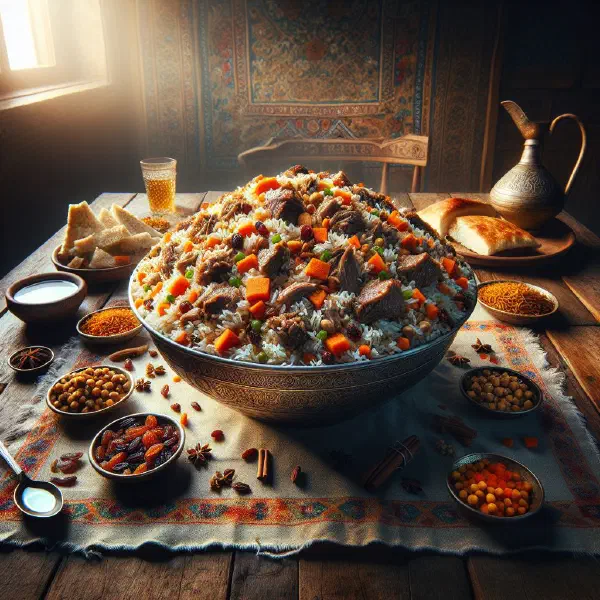
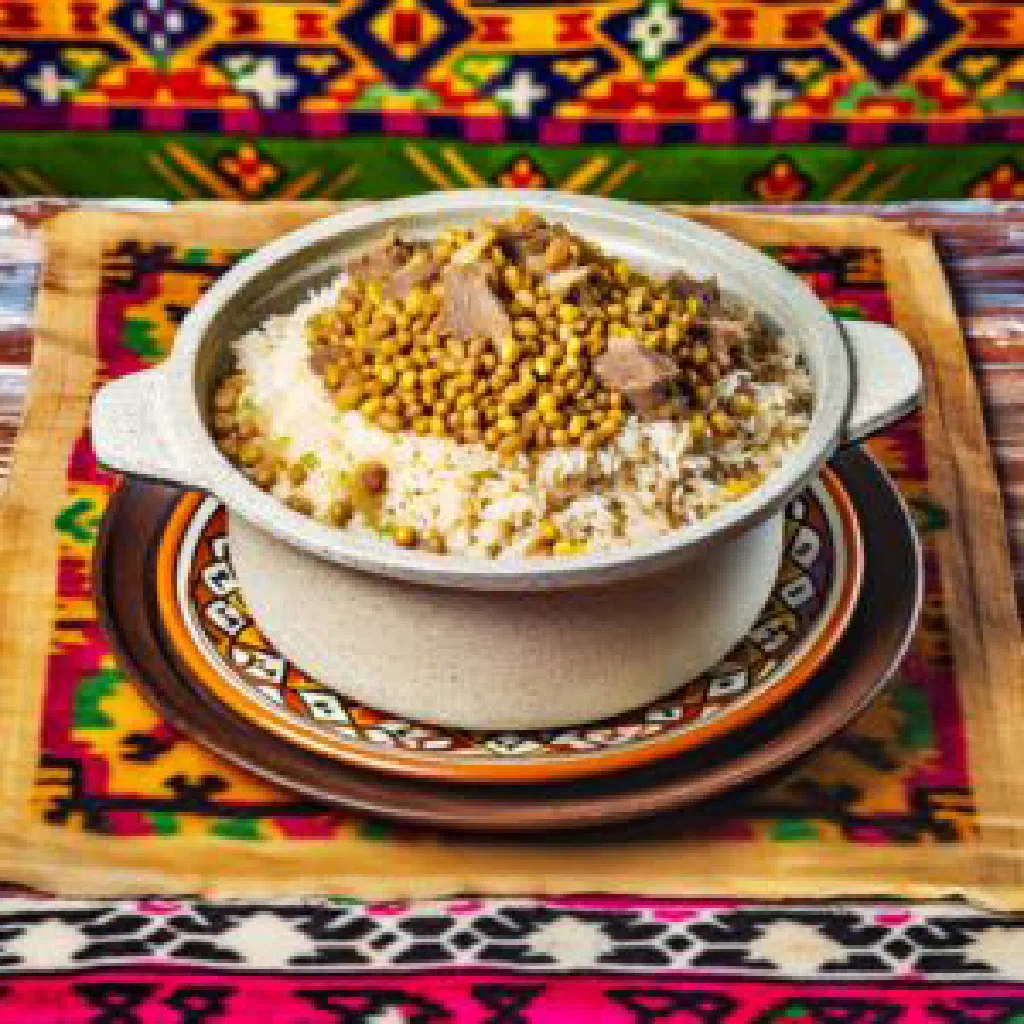
Presentation plays a real part in serving moshkichiri. Bring it to the table in one large bowl so everyone can help themselves. Scatter the surface with fresh herbs such as chopped dill or parsley, which taste as good as they look. Colourful crockery brings out the vivid tones of the ingredients and makes for an inviting overall picture, especially alongside warm Obi Non.
A bit of history
Moshkichiri has roots that run deep into Uzbek culture and history. It emerged in the era of the nomads and has evolved over the centuries since. The pairing of pulses and rice reflects the agricultural realities of the region. Traditionally it was prepared as a nourishing meal for the whole family and stood as a symbol of hospitality, a value that runs through all of Uzbek cuisine.
More recipe ideas
Summary: Moshkichiri
In short, moshkichiri is a delicious and nourishing dish that embodies traditional Uzbek cooking perfectly. With its blend of aromatic spices, fresh ingredients and varied pulses, it delivers a genuinely distinctive eating experience. Whether for a quiet dinner or a lively gathering, this dish brings the warm-hearted atmosphere of Uzbekistan to your table. Give it a try and let the richness of Uzbek cookery win you over.