National Dish Uzbekistan: Obi Non (Recipe)
In this article
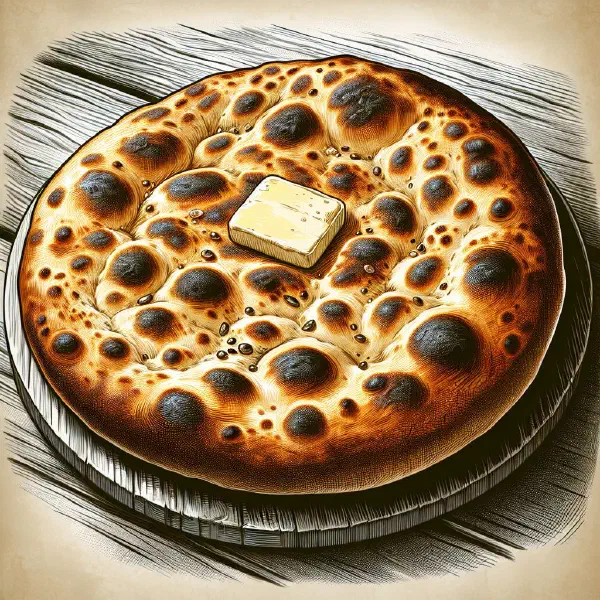
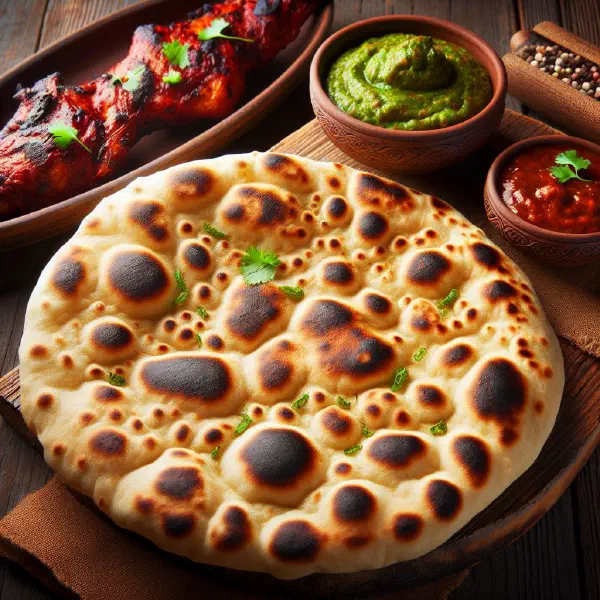
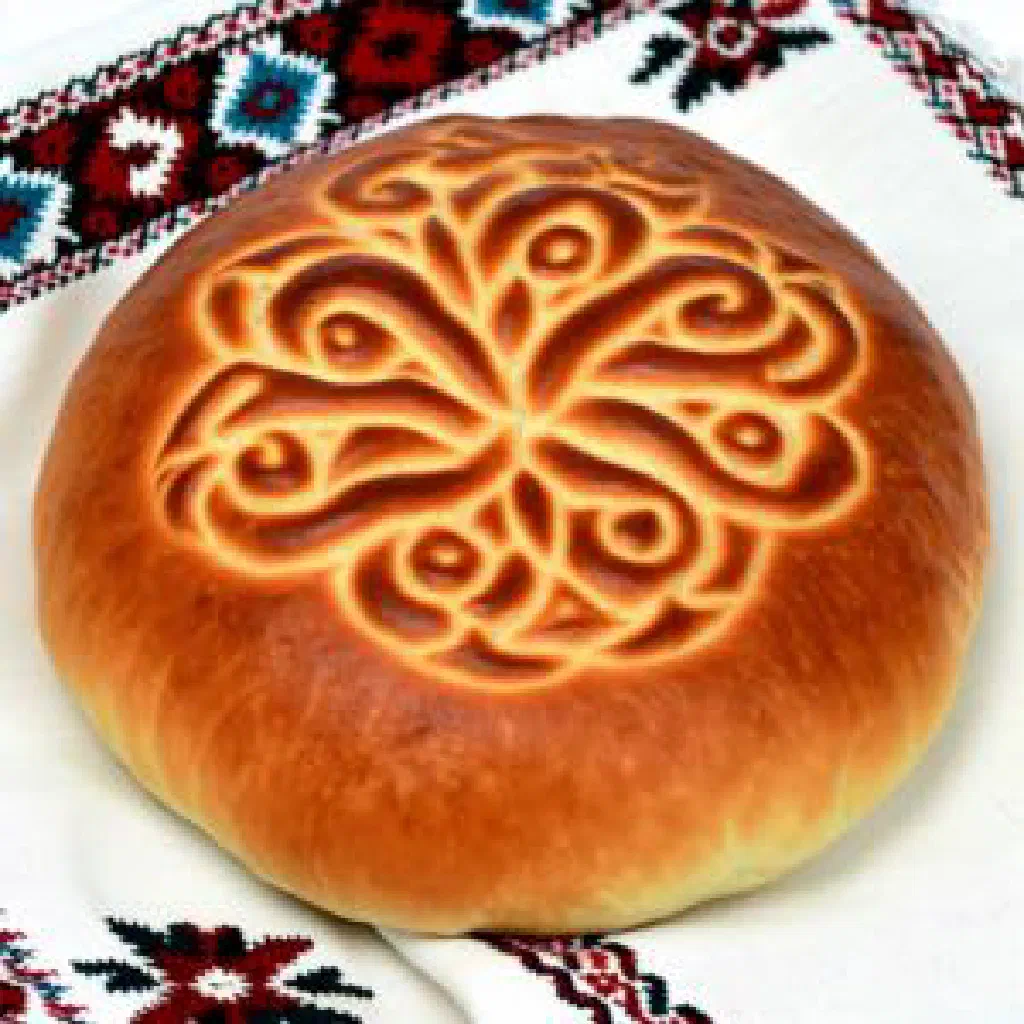
Few things say Uzbek hospitality quite like a warm, round loaf of Obi Non fresh from the oven. With its burnished, patterned crust and pillowy centre, this flatbread sits at the heart of every table from Tashkent to Samarkand, torn by hand, shared among friends and never cut with a knife. It asks for nothing more than flour, water, yeast and salt, yet the result is one of Central Asia’s most quietly magnificent breads.
About Obi Non
Obi Non is the traditional bread of Uzbekistan and an indispensable staple in every household. It is defined by its crisp crust and soft, tender middle, which makes it perfect for meals shared with family and friends. Baking obi non is woven into Uzbek culture, where bread is regarded as a symbol of hospitality. On special occasions it is baked fresh and offered to guests as a mark of particular respect and welcome.
Ingredients (serves 1–2)
- 500 g wheat flour
- 300 ml water
- 10 g dried yeast
- 10 g salt
- 1 tablespoon sugar
- 2 tablespoons vegetable oil
Shopping for the ingredients
The quality of the wheat flour matters most here. Choose flour that is as fresh as possible and free from additives, so the authentic flavour of the bread comes through. Dried yeast is stocked by most supermarkets and is the practical choice for home bread baking. The vegetable oil you use should be neutral in taste, so that it does not mask the gentle aroma of the loaf.
Preparing the dish
Before you begin, gather every ingredient and make sure your work surface is clean. Sift the wheat flour into a large bowl to prevent lumps from forming. It pays to measure carefully, as accurate quantities give the dough exactly the right consistency. Having everything ready in advance makes the whole process smoother and far more enjoyable.
Step-by-step instructions
- Warm the water gently in a bowl, then add the yeast and the sugar. Leave to stand briefly until bubbles appear on the surface.
- Tip the flour into a large bowl, add the salt and mix thoroughly.
- Pour in the yeast mixture and the vegetable oil, then knead everything to a smooth dough.
- Cover the dough and leave it to prove in a warm place for 1–2 hours, until well risen.
- Knock the dough back on a floured surface and shape it into rounds.
- Place the rounds on a lined baking tray and leave to rest for a further 30 minutes.
- Preheat the oven to 220 °C and bake the bread for 20–25 minutes, until golden brown.
- Cool the finished obi non on a wire rack before serving.
Gluten-free / lactose-free version
For a gluten-free obi non, use a gluten-free flour blend developed specifically for bread baking. Check the yeast and the other ingredients carefully too, to make sure they are certified gluten-free. You may need to adjust both the liquid ratios and the baking time, since gluten-free doughs behave rather differently. The recipe is naturally lactose-free, as plant-based oil takes the place of any dairy product.
Tips for vegans and vegetarians
Obi non is naturally vegan, as it contains no animal products whatsoever. To add extra character, work spices such as caraway or sesame seeds into the dough or scatter them over the top before baking. The bread also pairs beautifully with plant-based spreads and dips, which makes it ideal for a vegan table. Try it alongside a fresh Achichuk Salad. Do check the labels on any accompanying products to be certain they are vegan.
More tips and tricks
To get the very best from your obi non, pay close attention to your oven temperature, as every oven bakes a little differently. A useful trick is to toss a few ice cubes onto the oven floor to create steam, which yields an even crisper crust. Baking times will also vary depending on how thick you have shaped the loaves. Experiment with shape and thickness until you find your personal favourite.
Adapting the recipe to your taste
Obi non is wonderfully adaptable and easily tailored to your own preferences. You might blend different flour types to create new flavours and textures, much as bakers do for the richer, flakier Patir. Dried herbs and spices can be folded into the dough to give it an individual note.
Ingredient substitutions
If some of the ingredients above are hard to come by, there are plenty of alternatives. Honey can stand in for the sugar, lending the bread a gently sweeter note, though note that this makes the loaf no longer strictly vegan. For anyone with a gluten intolerance there is now a wide choice of gluten-free flours well suited to bread baking.
Drink pairing ideas
Obi non goes splendidly with a whole range of drinks that complement its mild, wheaty flavour. A traditional Uzbek green tea is the classic choice and harmonises perfectly with the bread. Alternatively, serve fruit juices or a cooling glass of Ayran for a refreshing accompaniment. Remember that the right drink can lift the whole eating experience.
Serving and presentation ideas
For the best effect, present obi non on a handsome wooden board or in a traditional Uzbek bread basket. The loaf can be torn into pieces or displayed whole to create a welcoming, generous atmosphere. Decorative napkins or a few sprigs of fresh herbs round off the picture nicely. It makes the perfect partner to a steaming plate of Dimlama, and a thoughtful presentation turns any meal into an occasion.
A bit of history
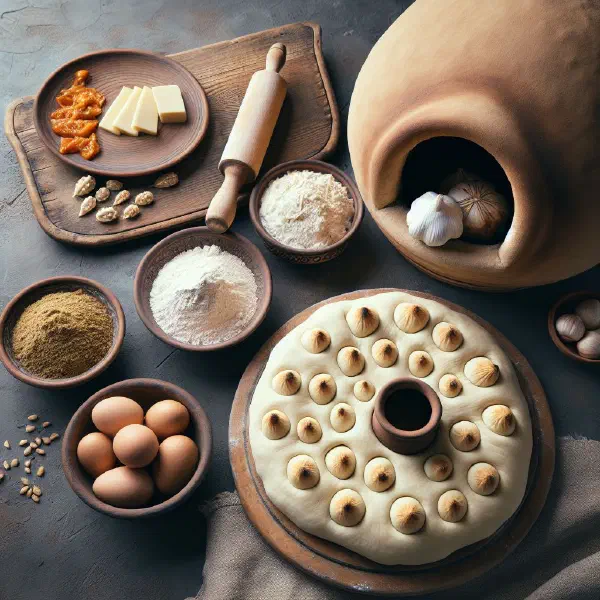
The story of obi non reaches far back and is deeply rooted in Uzbek culture. Bread in Uzbekistan is said to be “the opposite of air”, without bread, there is no life. Traditionally the loaves are baked in dedicated bakeries fitted with tall clay tandoor ovens, which give the crust its characteristic blistering. That tradition has endured across the centuries, underlining just how central bread remains to Uzbek cuisine and society.
More recipe ideas
Summary: Obi Non
In short, Obi Non is far more than a simple loaf of bread. It is a cornerstone of Uzbek culture and hospitality. With its distinctive texture and its many possible variations, it offers a genuinely memorable eating experience. Whether baked for a special occasion or as everyday bread, obi non is always a good choice. Dive into the flavours of Uzbekistan and enjoy this wonderful bread.