National Dish Uzbekistan: Patir (Recipe)
In this article
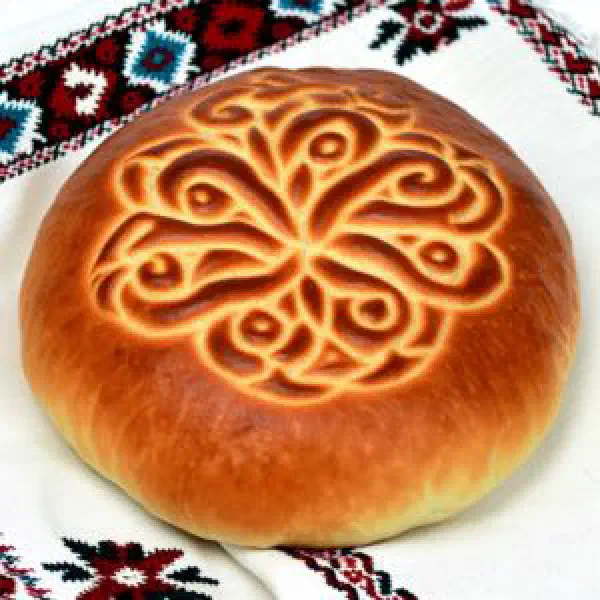
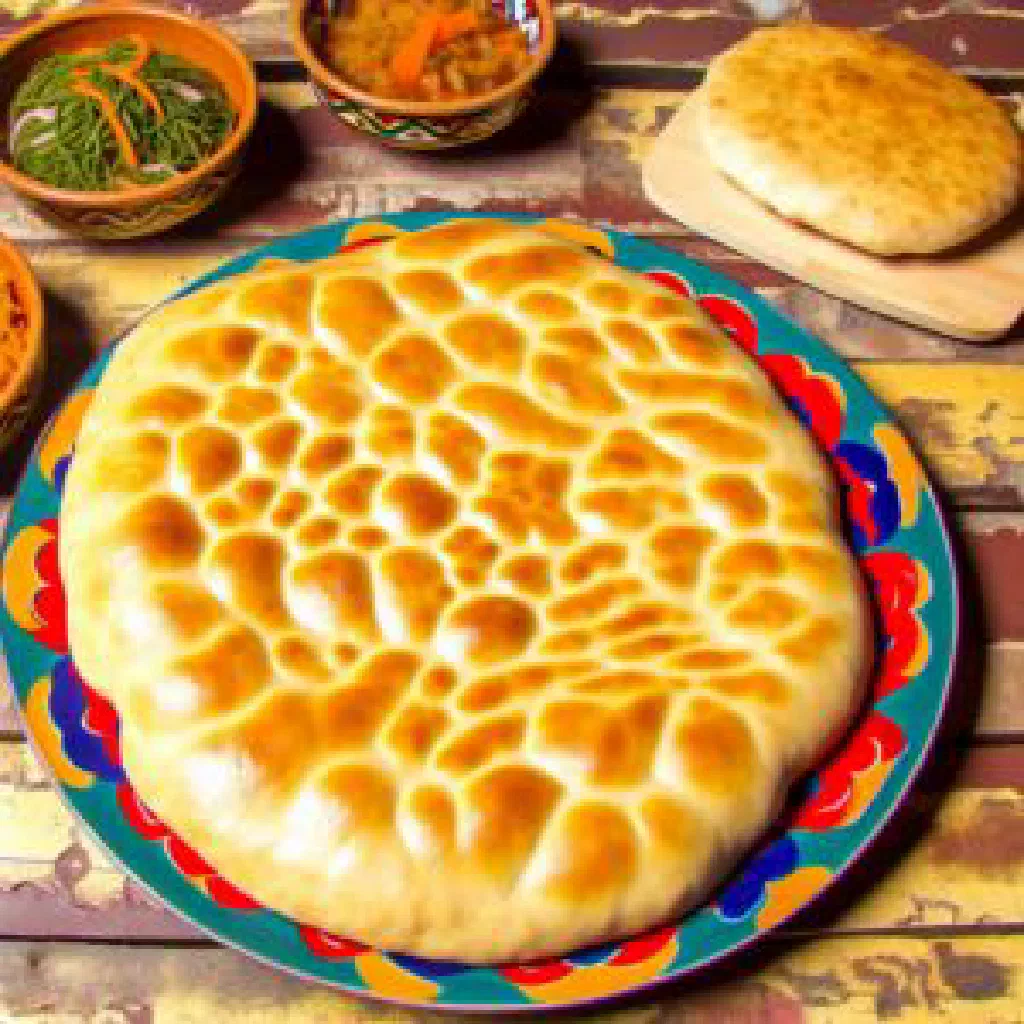
Patir is the enriched Uzbek flatbread — oil worked into the dough, which gives it a shorter, flakier crumb than a plain non. It is stamped in the centre with a chekich, glazed with egg, scattered with nigella and baked hot. Bread carries real weight in Uzbek hospitality, and patir is the version brought out for guests.
About Patir
Patir is the traditional Uzbek yeast flatbread. With its golden crust, its characteristic stamped pattern in the centre and its scattering of nigella or sesame, patir is far more than bread. It is a symbol of Uzbek hospitality. Traditionally baked in a clay tandir oven, it also turns out very well in a domestic oven at full heat.
Ingredients (serves 1–2)
- 250 g plain flour
- ½ teaspoon dried yeast
- ½ teaspoon sugar
- ½ teaspoon salt
- 140 ml lukewarm water
- 2 tablespoons vegetable oil
- 1 egg yolk, beaten, for glazing
- 1 teaspoon nigella seeds or sesame, to scatter
Shopping for the ingredients
Plain flour, not strong bread flour, patir wants a tender crumb, not a chewy one. Nigella seeds are sold in Central Asian, Turkish and Indian shops. The oil in the dough is what distinguishes patir from the plainer non, so do not leave it out.
Preparing the dish
Make the dough and give it a full hour to rise. Heat the oven as hot as it will go with a baking stone or heavy tray inside, at least half an hour of preheating, since the fierce bottom heat is what stands in for a tandir.
Step-by-step instructions
- Dissolve the yeast and sugar in the lukewarm water; leave 10 minutes until frothy.
- Mix into the flour with the salt and oil to a soft dough.
- Knead for 8–10 minutes until smooth, then rise for 1 hour until doubled.
- Heat the oven to maximum with a stone or heavy tray inside.
- Knock back and shape into a round about 20 cm across with a raised rim.
- Press the centre down firmly with a stamp or your fingertips.
- Rest for 15 minutes, then brush with egg yolk and scatter the seeds.
- Bake on the hot stone for 15–18 minutes until deep golden.
Gluten-free / lactose-free version
Patir contains no dairy and is naturally lactose-free. A gluten-free version needs a bread blend with xanthan gum; it will not puff at the rim the same way, so bake it in a tin and expect a denser loaf.
Tips for vegans and vegetarians
Glaze with plant milk or a little oil instead of egg yolk and patir is fully vegan. The seeds still stick and the colour is nearly as deep. This is a bread that gives up very little in the substitution.
More tips and tricks
Preheat the stone thoroughly; without fierce bottom heat the rim will not lift. Press the centre down hard, since it should stay thin while the edge puffs. And do not skip the rest after shaping. It is what gives the final rise.
Adapting the recipe to your taste
Melted butter or lamb fat in the dough makes a richer, flakier patir, which is the festive version. Milk in place of water softens the crumb. Some bakers layer the dough with fat like a rough puff pastry for a genuinely flaky bread.
Ingredient substitutions
Sesame substitutes for nigella. Fresh yeast works, 15 g in place of the dried. Yoghurt in place of some of the water gives a tangier bread.
Drink pairing ideas
Green tea is drunk continuously in Uzbekistan and is the automatic partner. Black tea works. Ayran suits it at a meal.
Serving and presentation ideas
Serve patir whole and break it by hand, Uzbek bread is torn, never cut, and never placed upside down. It goes with plov, with soup, with tea and jam at breakfast. Guests are offered the first piece.
A bit of history
Bread in Uzbekistan is genuinely sacred: it is not thrown away, not set face down, and a departing traveller sometimes bites a piece that is kept until they return. Each city has its own style, Samarkand non is famous nationwide, and the chekich stamp patterns are regionally distinct. It offers a genuine window onto Uzbek cuisine.
More recipe ideas
- Plov – another traditional Uzbek rice dish
- Lagman – hand-pulled noodles with meat and vegetables
- Manti – steamed dumplings filled with meat
- Samsa – savoury pastries filled with meat and onions
Summary: Patir
Patir is an oil-enriched Uzbek flatbread, stamped in the centre, glazed and seeded, baked as hot as your oven allows. Preheat the stone, press the middle hard, and tear it by hand.