National Dish Uzbekistan: Piti (Recipe)
In this article
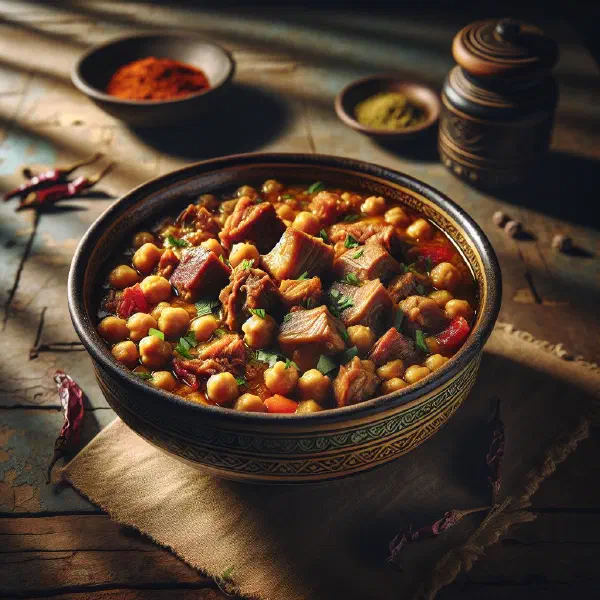
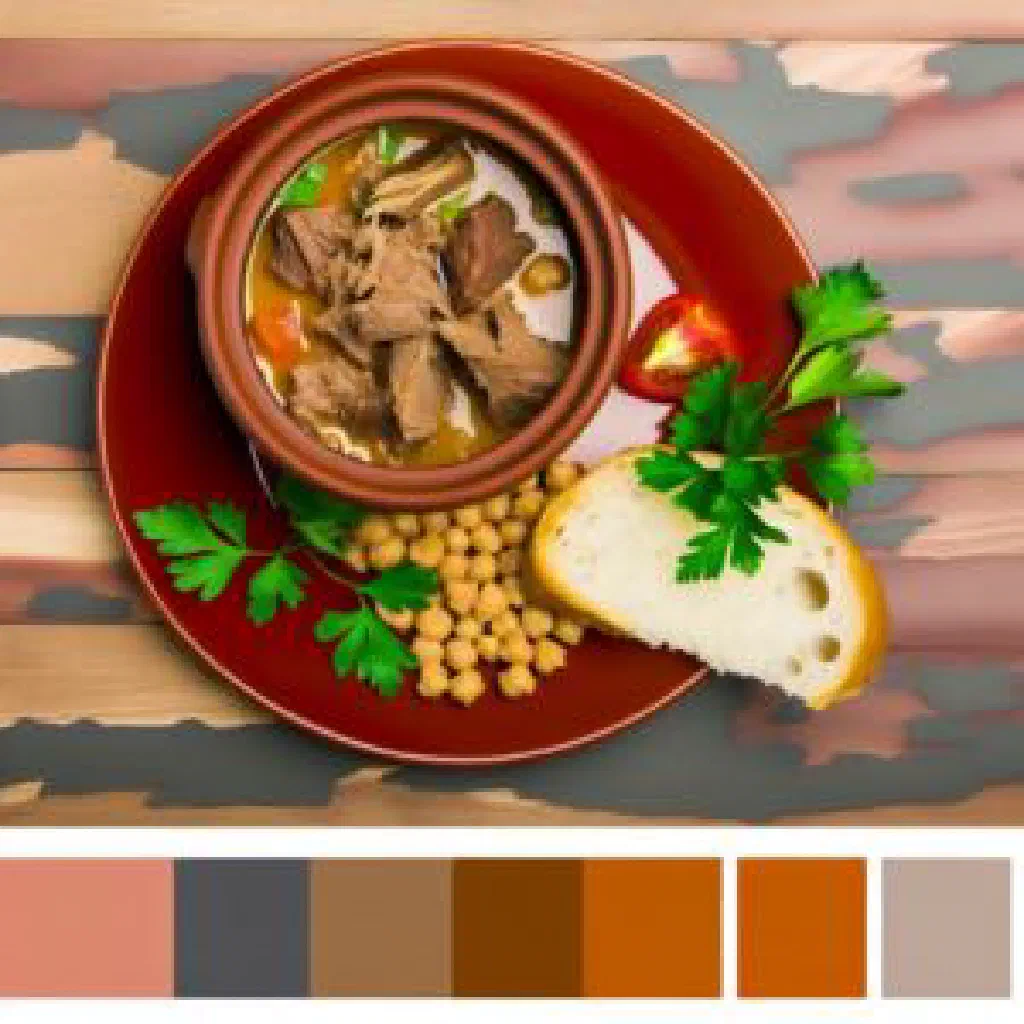
Meet Piti, a slow-simmered lamb and chickpea stew that sits right at the heart of Uzbek home cooking. Cooked gently in a clay pot until the meat all but falls apart, it fills the kitchen with the warm scent of cumin and sweet paprika long before it reaches the table. This is unhurried food, made for sharing, a dish that carries centuries of Central Asian hospitality in a single earthenware bowl.
About Piti
Piti is a traditional Uzbek dish that reflects the rich culture and gastronomy of Uzbekistan. This delicious stew is built mainly on tender lamb, chickpeas and a generous handful of aromatic spices. Dishes such as this one stand for Uzbek hospitality and a deep love of good cooking, in much the same way that a slow-cooked Dimlama does.
Ingredients (serves 1–2)
- 300 g lamb (shoulder or loin works best)
- 100 g chickpeas, soaked overnight
- 1 large onion, finely chopped
- 2–3 carrots, diced
- 1 teaspoon cumin
- 1 teaspoon paprika
- Salt and pepper to taste
- 2 litres water or stock
- Fresh herbs (parsley or coriander), to garnish
Shopping for the ingredients
Pay close attention to the quality of what you buy. The lamb should be fresh and from a good source, as this is what guarantees the best flavour in the finished pot. Chickpeas are stocked by most supermarkets as well as Turkish and Middle Eastern grocers. The spices are equally easy to find in local shops or online, so you can bring out every aroma exactly as intended.
Preparing the dish
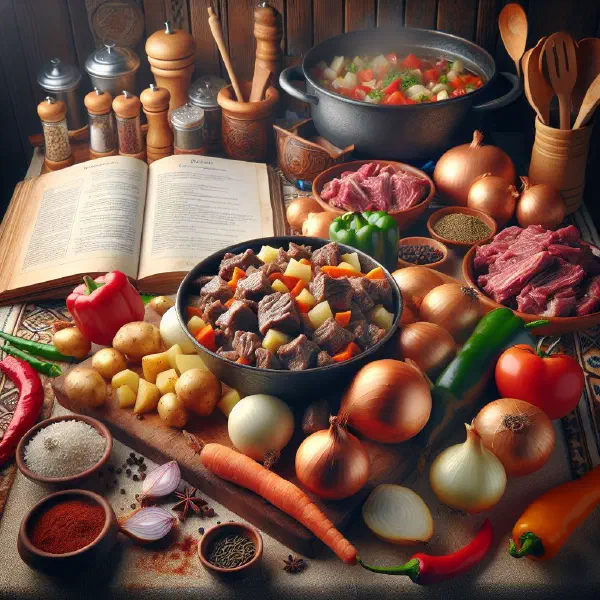
Preparing piti is refreshingly straightforward and takes only a few steps to get right. Begin by soaking the chickpeas overnight so they soften and take on the flavours of the stew more readily during cooking. Cut the meat into evenly sized pieces to ensure it cooks through at the same rate. Have the onion and carrots chopped and ready to hand before you start cooking.
Step-by-step instructions
- Brown the lamb in a clay pot until lightly coloured on all sides.
- Add the onion and sweat until translucent, followed by the diced carrots.
- Stir in the chickpeas, cumin, paprika, salt and pepper and toast briefly.
- Pour in the water or stock and bring to the boil.
- Cover the pot and let the dish simmer over low heat for about 2–3 hours, until the meat is tender.
- Optional: garnish with fresh herbs and serve piping hot.
Gluten-free / lactose-free version
Piti is naturally gluten-free and lactose-free, since it contains no added grain products or dairy. Do check, though, that any stock or ready-made spice blend you use is also free from gluten and lactose, so the dish is genuinely suitable for everyone at the table. That way you can enjoy it with complete confidence, whatever your dietary requirements.
Tips for vegans and vegetarians
Although piti is traditionally made with lamb, a vegan or vegetarian version is easy to put together. Replace the meat with vegetables or tofu and add a good variety of seasonal produce and pulses. Swapping the meat stock for a homemade vegetable stock deepens the flavour considerably. This adapted recipe suits anyone eating a plant-based diet without giving up on taste, much like a hearty bowl of Mashhurda.
More tips and tricks
There are a few tricks that make piti even more flavoursome. To intensify the aromas, marinate the meat overnight with the spices. It is also worth part-cooking the chickpeas in a separate pan until roughly half done before adding them to the stew. Small refinements like these make a noticeable difference to the finished dish.
Adapting the recipe to your taste
Everyone has their own culinary preferences, and piti takes them well. Add more or less of a given spice to reach the flavour you are after. Extra ingredients such as potatoes or peppers change the character of the pot and give it a new note. Experiment with different combinations until you land on your own favourite version.
Ingredient substitutions
If certain ingredients are not to hand, there are plenty of alternatives to fall back on. The lamb can be swapped for beef or poultry, for instance. Instead of chickpeas, try other pulses such as lentils or black beans, the same principle that carries a bowl of Mastava.
Drink pairing ideas
Piti pairs beautifully with a range of drinks. For an authentically Uzbek experience, reach for traditional green tea or a fruity cordial. A glass of red wine also sits well alongside this hearty stew. The right drink enriches the flavours of the dish and rounds the whole meal into something harmonious.
Serving and presentation ideas
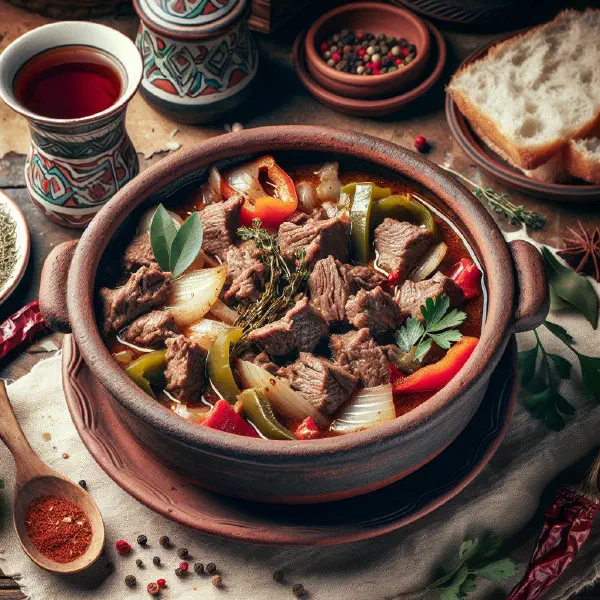
Presentation can make piti considerably more appealing. Serve it in traditional clay pots to underline its rustic character. Garnish with fresh herbs and add a few well-chosen sides, such as warm Obi Non flatbread or a crisp salad.
A bit of history
Piti originates in Uzbek culture and is deeply rooted in the traditions of the nomadic peoples of Central Asia. The dish has been cooked in the region for centuries and has evolved steadily over that time. Making piti is not merely a culinary act but part of social life and the celebration of community. Its historical significance and social role make it a distinctive strand of Uzbek identity, alongside the great classics of Uzbek cuisine.
More recipe ideas
Summary: Piti
All told, piti is a captivating dish that impresses not only through its ingredients and aromas but through its standing in Uzbek culture. Cooking it brings the flavours of Uzbekistan into your own kitchen and offers a way to experience the country’s long culinary tradition. With a few adjustments and variations, anyone can create their own take on this classic. Enjoy this warming stew and share a little Uzbek hospitality with others.