National Dish Uzbekistan: Tandoor Bread (Recipe)
In this article
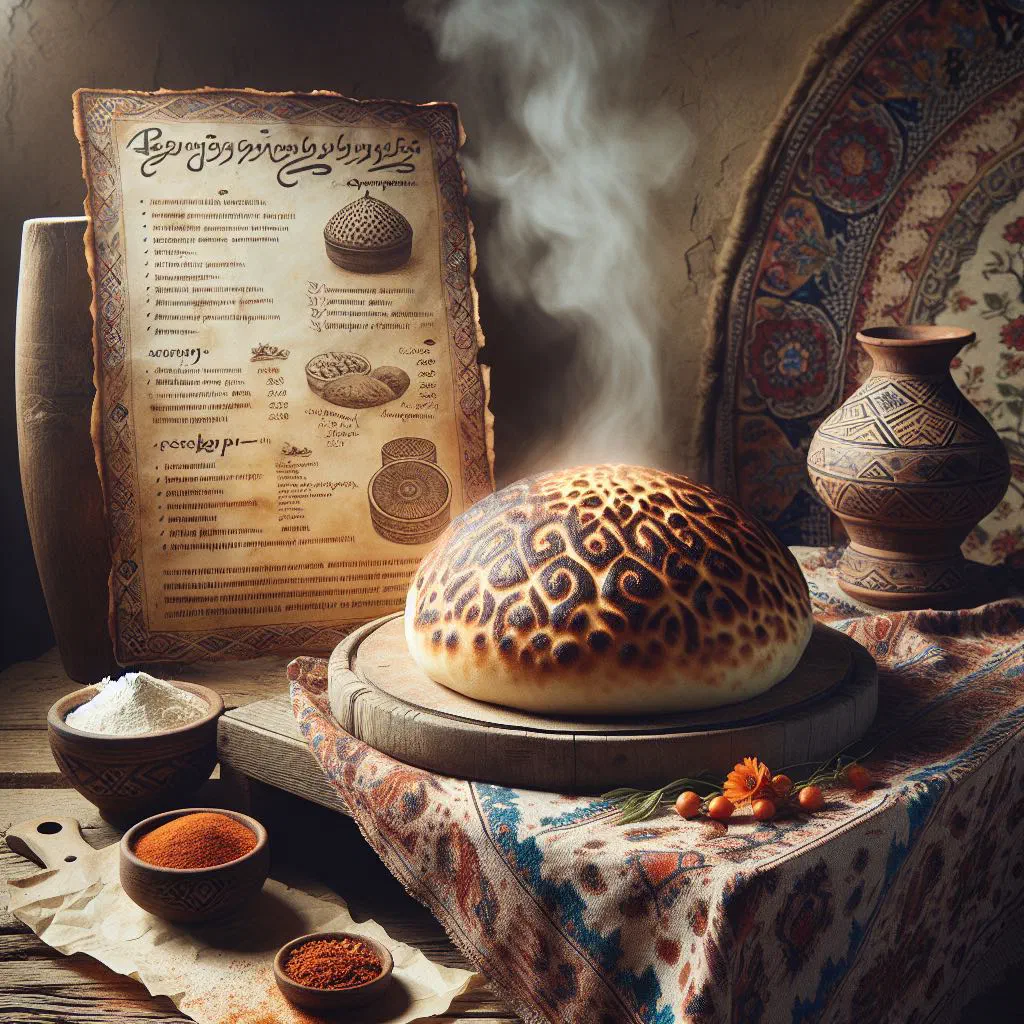
Discover Tandoor Bread, the round golden flatbread that sits at the heart of every Uzbek table. Baked against the searing walls of a clay oven, it comes out with a crackling crust and a soft, airy crumb that soaks up stews and grilled meat beautifully. Few things say more about Uzbek hospitality than a freshly baked loaf torn and shared among friends, and with a little patience you can bring that same warmth into your own kitchen.
About Tandoor Bread
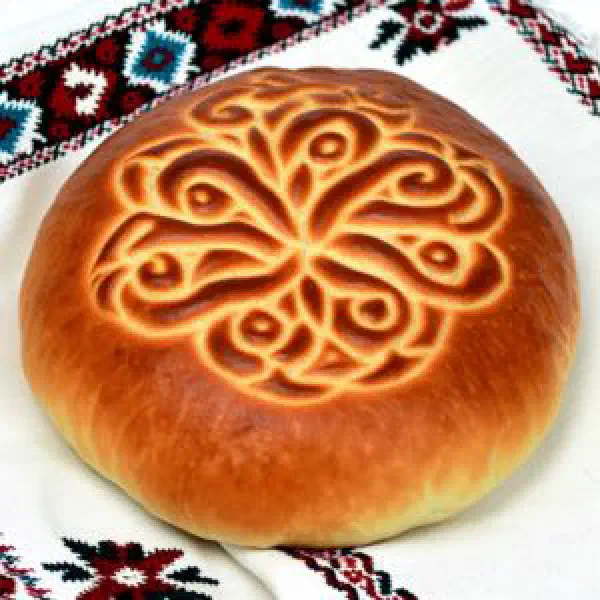
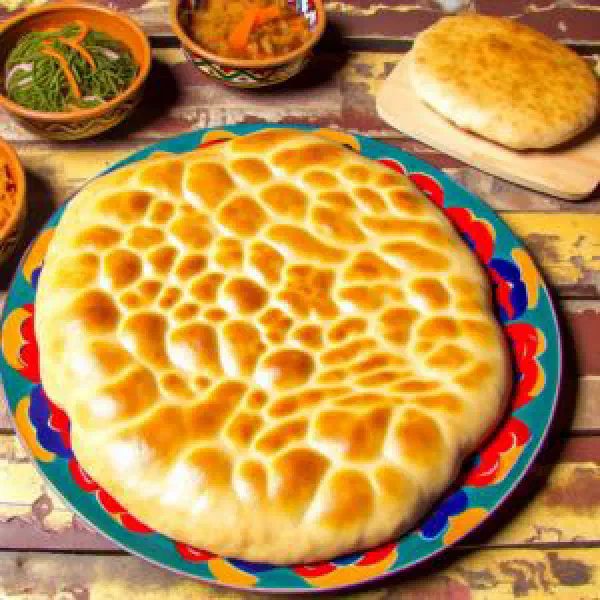
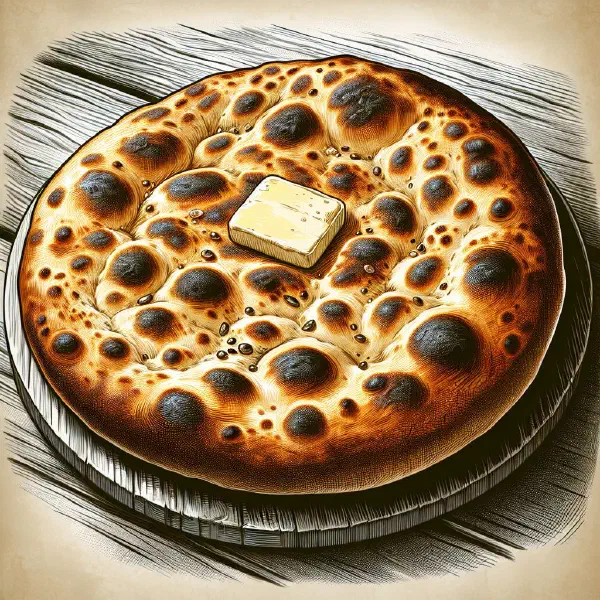
Tandoor Bread, known simply as non in Uzbekistan, is a genuinely captivating piece of baking. Cooked in a traditional clay oven, it develops an unmistakable crisp crust and a fluffy interior. This delicious flatbread is a staple food and the perfect companion to all manner of dishes, whether hearty stews or juicy grilled meat such as Shashlik. Every piece carries a part of Uzbek culture and tradition, and no celebration or everyday meal is complete without it.
Ingredients (serves 1–2)
- 500 g wheat flour
- 1 teaspoon salt
- 200 ml lukewarm water
- 1 teaspoon sugar
- 1/2 teaspoon dried yeast
- A little oil, for the dough
Shopping for the ingredients
To make tandoor bread you will want fresh, good-quality ingredients. The flour is best bought from a regional mill, which guarantees the finest flavour. Until you use it, keep the flour in an airtight container so it stays fresh. When buying dried yeast, check that it is well within its date and has been stored properly, as this makes all the difference to the rise.
Preparing the dish
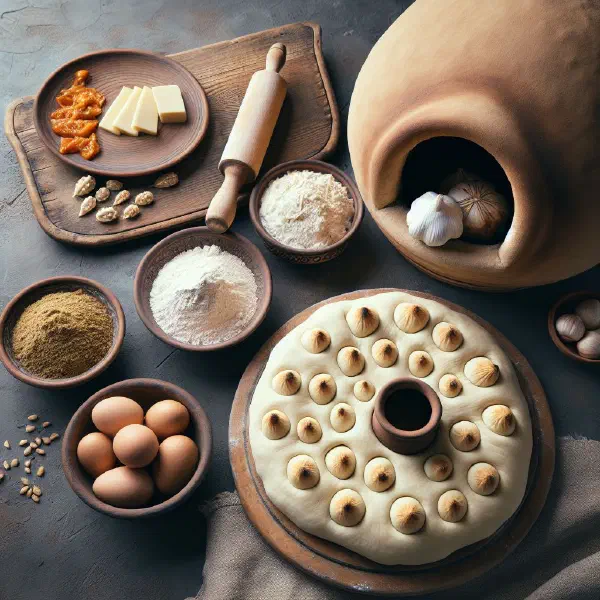
Preparing tandoor bread is straightforward, though it does take time to let the dough prove properly. Begin by combining the flour and the salt in a large bowl. In a separate bowl, mix the lukewarm water with the sugar and the yeast until it foams. Once you have a frothy mixture, add it slowly to the flour and knead the dough thoroughly until it is smooth and elastic.
Step-by-step instructions
- Combine the flour, salt and the yeast-sugar-water mixture in a large bowl.
- Knead the dough for 10 minutes, until soft and supple.
- Cover the bowl with a damp cloth and leave the dough in a warm place for about 1–2 hours, until risen.
- Divide the dough into equal portions and shape them into round flatbreads.
- Preheat the tandoor or your oven to 250°C.
- Bake the flatbreads in the tandoor or on a baking tray for about 7–10 minutes, until golden brown.
Gluten-free / lactose-free version
For a gluten-free version of the bread, use one of the gluten-free flour blends now stocked by most supermarkets. All the other ingredients stay exactly the same. A lactose-free loaf is no trouble at all either, since the traditional recipe contains no dairy whatsoever. The result is a wholesome alternative that still keeps its authentic character.
Tips for vegans and vegetarians
Tandoor bread is naturally vegan and vegetarian, as it contains nothing but plant-based ingredients. It works beautifully as a side to vegetable dishes such as Barbecued Vegetables, or as a wrap for stuffed vegetable fillings. Do experiment with different herbs and spices in the dough to vary the flavour. A little olive oil or sesame oil gives the loaf a lovely extra dimension.
More tips and tricks
For an even better loaf, make sure the dough has plenty of time to prove. This is what gives it that light, airy crumb. A thoroughly preheated tandoor or oven matters just as much for achieving the perfect crust. If the dough bursts open during baking, you may need to adjust the temperature. Play around with the baking time until you hit the texture you are after.
Adapting the recipe to your taste
If you have particular likes or dislikes, tandoor bread is easy to tweak. Add herbs such as rosemary or thyme for extra aroma, for instance. Consider trying different types of flour to shift the flavour or the texture. A hint of garlic or onion powder can also give the loaf an interesting twist.
Ingredient substitutions
If certain ingredients are not to hand, there is always an alternative. Instead of water you can use vegetable stock to give the bread more depth of flavour. Honey in place of sugar brings a natural sweetness. With a little willingness to experiment you can easily produce variations that suit your own taste and texture preferences, much as bakers do with the richer, layered Patir.
Drink pairing ideas
For an authentically Uzbek experience, reach for black tea or a fresh yoghurt drink such as Ayran. These pair wonderfully with the savoury character of the bread and round out the meal. For a more modern combination, fruity cocktails or sparkling mineral water also work nicely. Serve the bread on all sorts of occasions to appreciate just how versatile it is.
Serving and presentation ideas
The presentation of tandoor bread can be every bit as inviting as its flavour. Serve the freshly baked loaf on a rustic wooden board, perhaps alongside dipping sauces such as yoghurt or hummus. Add fresh herbs or edible flowers for a visual accent. An attractive spread lifts the whole eating experience and invites everyone to tuck in.
A bit of history
Tandoor bread has a long history in Uzbek culture and forms part of the tradition of many Asian countries. Baking in a clay oven has proved itself over centuries, producing a heft and a crust that no other oven quite manages. This bread stands not only for Uzbek cuisine but for hospitality and community, a thread that runs through every Uzbek meal, from a bowl of Lagman to a festive platter of rice. The craft of bread baking is handed down from generation to generation and remains an important part of Uzbek identity.
More recipe ideas
Summary: Tandoor Bread
Tandoor bread, a staple of the Uzbek kitchen, offers wonderful flavour and a way of bringing the culture and tradition of Uzbekistan into your own home. With simple ingredients and a little patience you can bake this delicious flatbread yourself. It is endlessly useful, whether as an accompaniment to a meal or as the centrepiece of a barbecue. Give it a go and let the magic of Uzbek food win you over.