National Dish Venezuela: Arepas (Recipe)
In this article
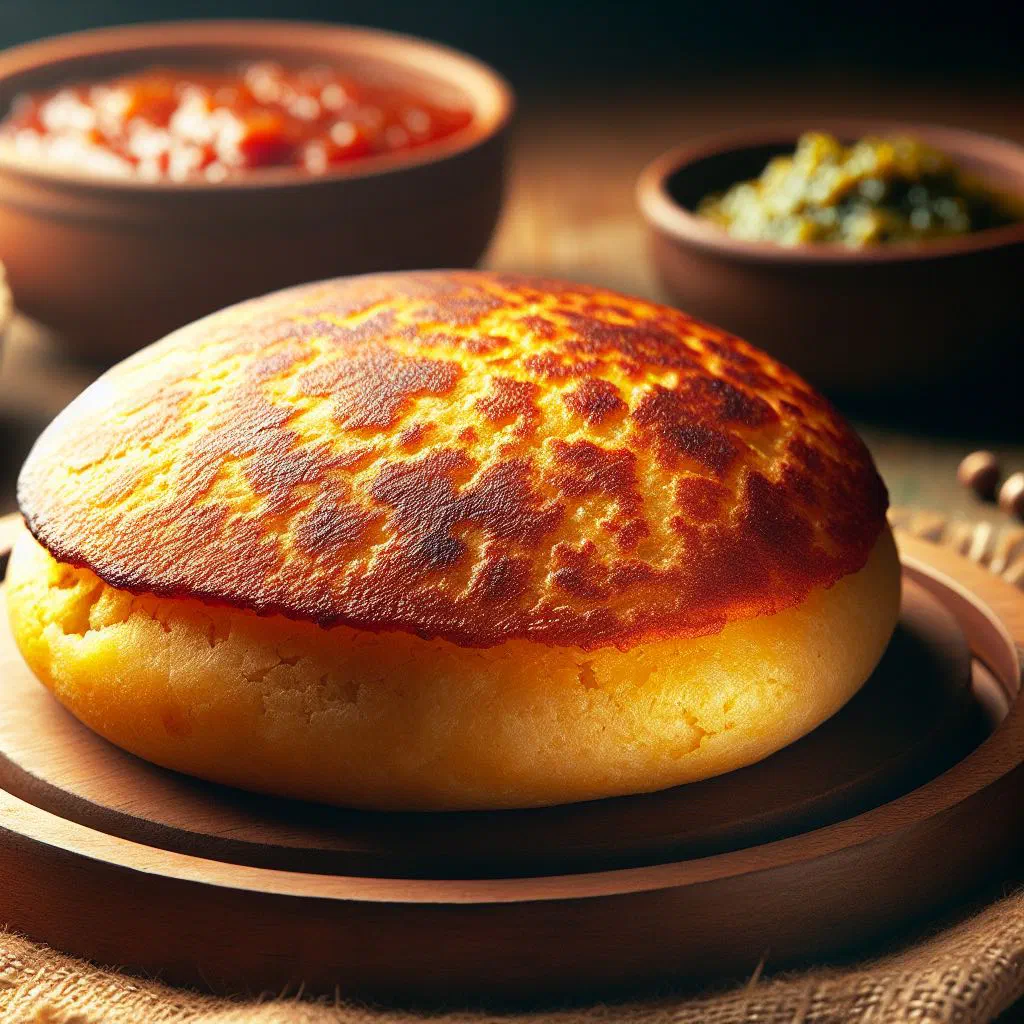
Few things say Venezuela quite like a warm arepa fresh off the griddle. These golden cornmeal flatbreads are crisp on the outside, soft and steamy within, and ready to be split open and stuffed with whatever you fancy, melting cheese, shredded beef, black beans or a slick of ripe avocado. They take four ingredients and barely half an hour, yet they carry centuries of Venezuelan history in every bite. Once you have made them at home, you will find yourself reaching for the masa harina again and again.
About Arepas
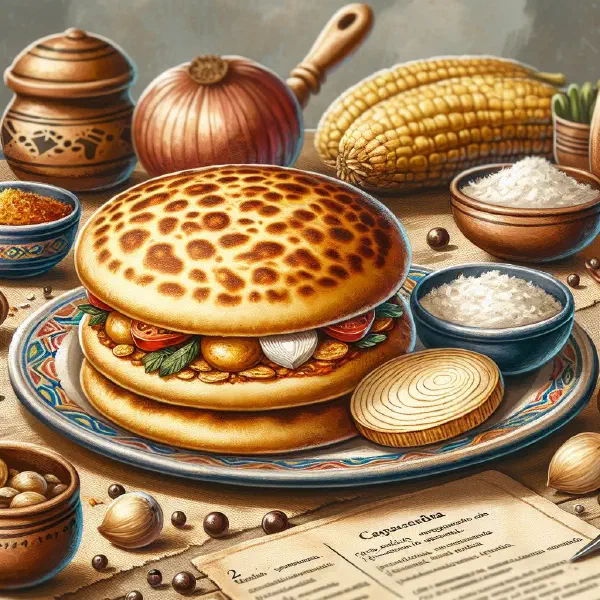
The arepa is a traditional Venezuelan dish made from cornmeal, and it is as easy to prepare as it is endlessly versatile. These savoury flatbreads can be griddled, baked or fried, then split and filled with everything from cheese and meat to vegetables and pulses. A breakfast staple or a full main course, arepas bring a genuine piece of Venezuelan culture straight into your kitchen. Their neutral, gently sweet corn flavour makes them the perfect canvas for bold fillings.
Ingredients (serves 1–2)
- 1 cup arepa flour (masa harina)
- 1 cup water
- 1 pinch of salt
- Optional: fillings of your choice (cheese, meat, vegetables)
Shopping for the ingredients
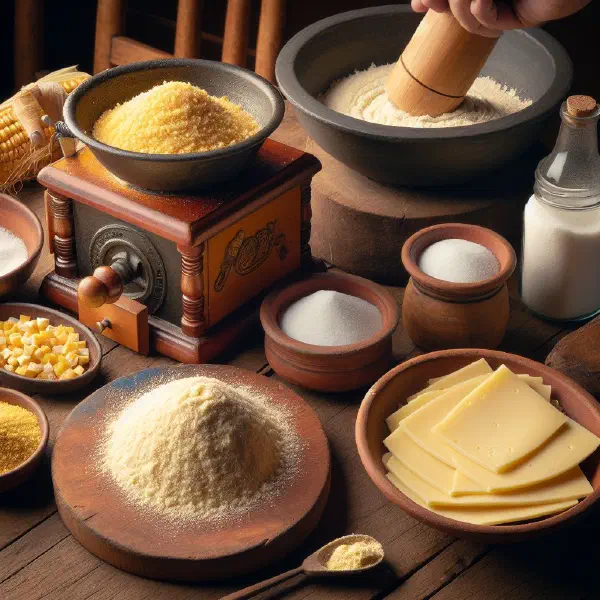
It is well worth choosing a good-quality arepa flour, as it is the single biggest factor in the taste and texture of the finished dish. Precooked white maize flour is stocked by many supermarkets and by most Latin American grocers, and it is also easy to order online. Salt is a store-cupboard basic you can dose to taste. When picking your fillings, go for local and seasonal produce wherever possible, fresh ingredients make an enormous difference to the final flavour.
Preparing the dish
Getting arepas ready is quick and refreshingly uncomplicated. Start by measuring out your ingredients and laying everything within reach. Combine the arepa flour, water and salt in a bowl and work them into a smooth dough with your hands. Let the dough rest for a few minutes so the flour can absorb the liquid properly. This short pause is what gives arepas their pleasingly tender crumb rather than a dry, crumbly one.
Step-by-step instructions
- In a bowl, mix the arepa flour, water and salt into a smooth, pliable dough.
- Divide the dough into two equal portions and shape each into a round patty.
- Heat a frying pan over medium heat and add a little oil.
- Fry the arepas for about 4–5 minutes on each side, until golden brown.
- Add your chosen filling and leave the arepas on the heat a few minutes longer so the cheese can melt.
Gluten-free / lactose-free version
The good news is that arepas are naturally gluten-free, since they are made from maize rather than wheat. Do check that your arepa flour is certified free from cross-contamination if you are cooking for someone with coeliac disease. For a lactose-free version, reach for plant-based fillings such as dairy-free cheese alternatives or simple vegetable stuffings. That way everyone at the table can enjoy the dish without having to make compromises.
Tips for vegans and vegetarians
Vegan arepas are an excellent option, because the dough itself contains no animal products at all. Fillings such as avocado, black beans or grilled vegetables are ideal for a plant-based diet, and guacamole or hummus makes a lovely accompaniment on the side. A spoonful of Guasacaca, the classic Venezuelan avocado sauce, is another brilliant vegan choice. Stick to fresh, seasonal produce to keep the flavour bright and the meal genuinely nourishing.
More tips and tricks
For the perfect texture, take care not to overwork the dough, a light hand keeps the arepas tender. If the mixture feels stiff or starts to crack at the edges, wet your hands and knead in a little extra water until it turns smooth and supple. You can also finish the arepas in a hot oven for a few minutes before serving to keep the outside really crisp. Above all, experiment with different fillings and seasonings so that every arepa becomes its own small discovery.
Adapting the recipe to your taste
Arepas are extraordinarily adaptable. If you like a bit of heat, use chillies or a spicy salsa in the filling. For something heartier, fried mushrooms or slow-cooked beef work beautifully, much like the shredded filling in Carne Mechada. You can also change the shape and size: smaller, thinner discs make excellent party bites, while thick ones are best for stuffing generously. Feel free to play with combinations until you land on your own definitive arepa.
Ingredient substitutions
If you cannot track down arepa flour, you can experiment with cornflour or a blend of other gluten-free flours such as rice flour or oat flour, though the texture will differ from the traditional result. Where fillings are concerned, tofu or seitan make good high-protein swaps for meat, while grated courgette or roasted peppers add moisture and colour. Adjustments like these keep the dish interesting without losing sight of its traditional character.
Drink pairing ideas
Plenty of drinks pair well with arepas and complement whatever filling you have chosen. A classic Venezuelan Chicha made from rice and milk is a lovely sweet option, while a chilled mango lemonade or a fruity tizana rounds off the flavours beautifully. A simple glass of water or a sparkling soft drink also provides a clean, refreshing counterpoint to a rich cheese filling. Choose something that matches the intensity of your food rather than competing with it.
Serving and presentation ideas
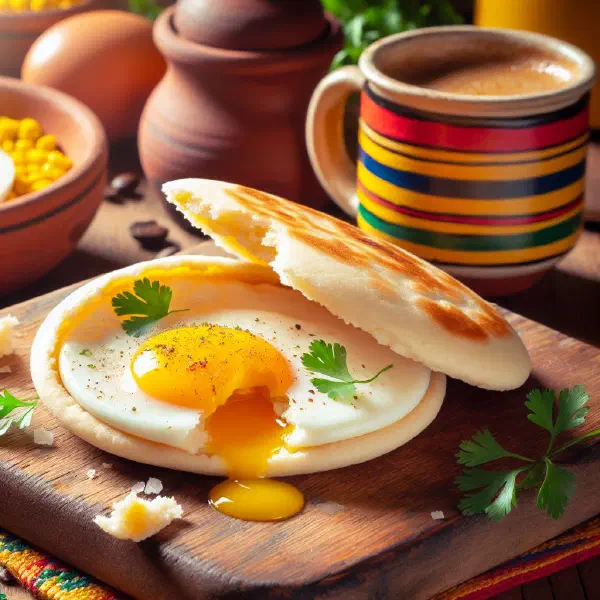
How you present your arepas makes a real difference to the eating experience. Serve them on an attractive wooden board or in a colourful bowl for an inviting, generous look. Garnish with fresh coriander or a squeeze of lime juice for a lift of freshness, and split each arepa just before serving so the steam escapes dramatically at the table. Arranging the fillings and side dishes clearly, where everyone can see them, turns the meal into a relaxed, help-yourself affair.
A bit of history
The arepa has its roots in the indigenous cultures of Venezuela and has been a fixture of the country’s cooking for centuries. Originally ground from maize on a stone and cooked on a clay griddle, it served the first inhabitants of the region as a staple food long before European contact. Over time the arepa evolved into a beloved street food, and today it appears in restaurants and home kitchens alike, often alongside dishes such as Empanadas and Tequeños. The sheer variety of fillings mirrors the cultural mix of Venezuelan cuisine and makes every arepa a small experience of its own.
More recipe ideas
Summary: Arepas
Arepas are a wonderful example of the rich and varied Venezuelan kitchen. They are simple to make, infinitely adaptable and open the door to a huge range of delicious fillings. The arepa is sure to be a hit with guests and family alike. Give this recipe a go and enjoy the authentic taste of Venezuela in your own kitchen.