National Dish Venezuela: Arepas Rellenas (Recipe)
In this article
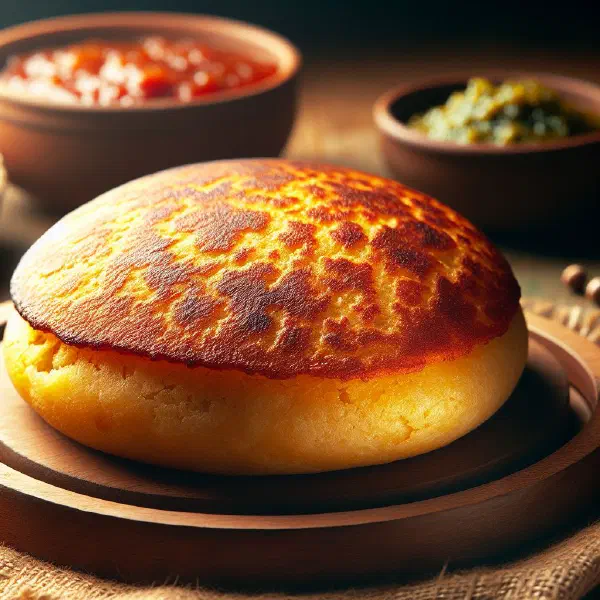
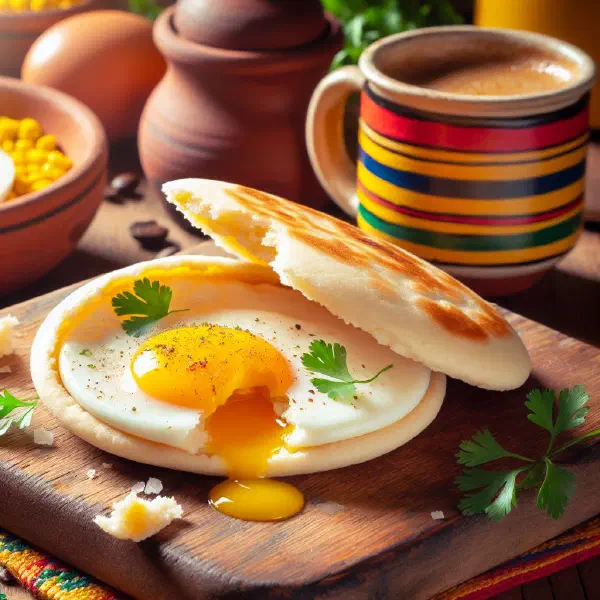
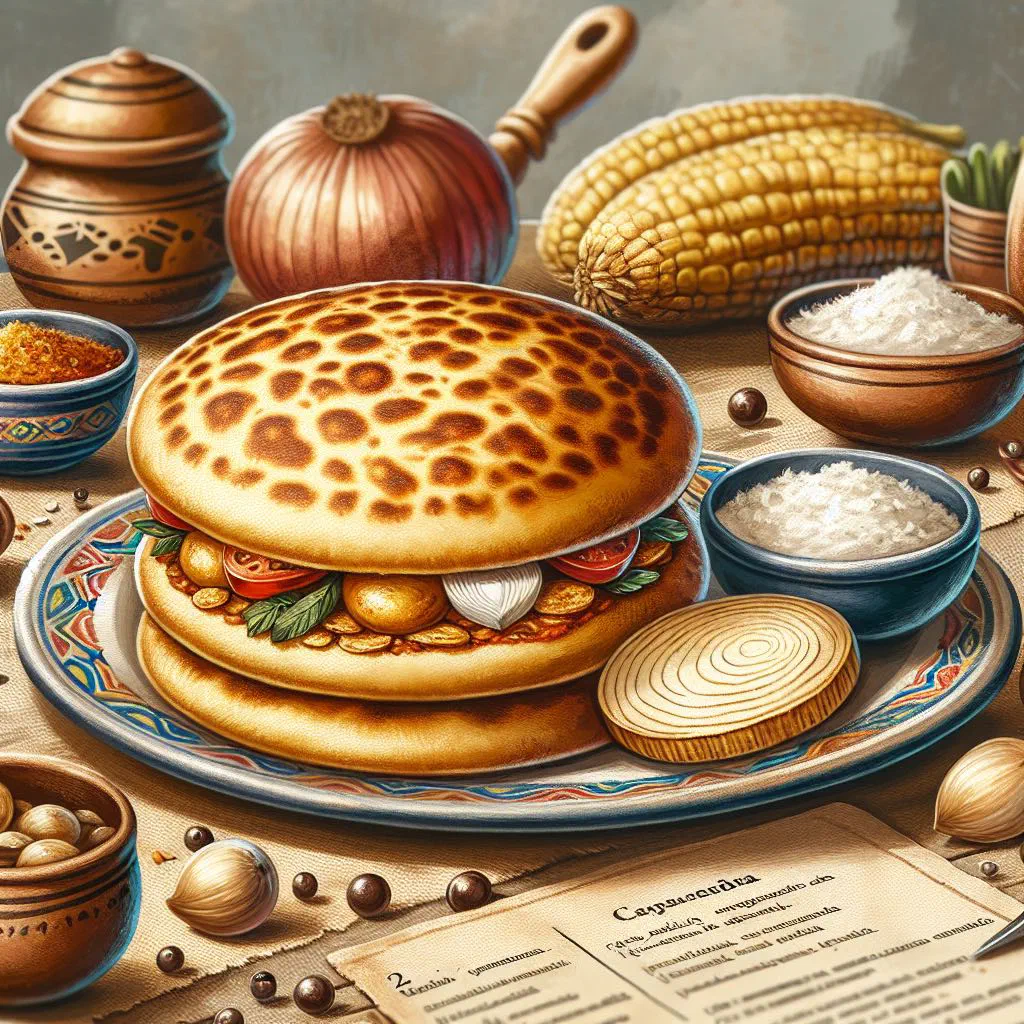
Discover Arepas Rellenas, the national dish of Venezuela. These golden maize pockets crackle on the outside and stay wonderfully soft within, ready to be split open and packed with shredded beef, spiced beans, fresh cheese or creamy avocado. Sold on every street corner from Caracas to Maracaibo, they are quick to make, endlessly adaptable and guaranteed to bring a little Caribbean sunshine to your kitchen.
About Arepas Rellenas
These delicious maize pockets are a beloved street food and a cornerstone of Venezuelan gastronomy. They are defined by their crisp crust and their soft, steaming centre, which can be filled with an enormous range of ingredients depending on your mood. From hearty shredded beef through spiced beans to creamy fresh cheese, the possibilities are all but endless.
Ingredients (serves 1–2)
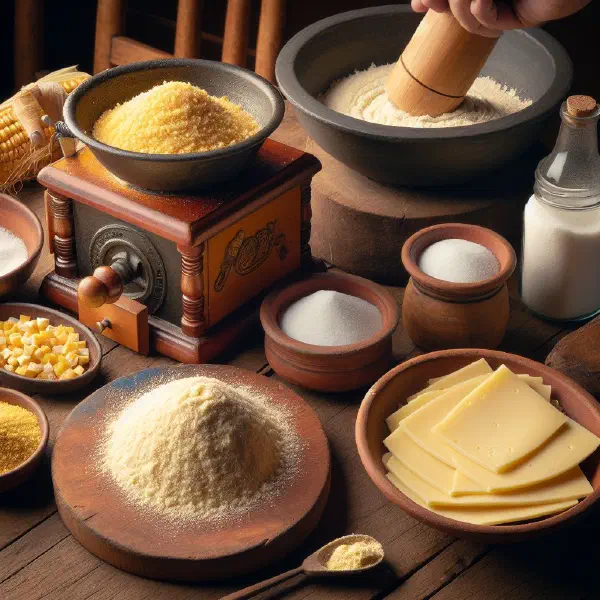
- 1 cup precooked maize flour (arepa flour)
- 1 cup water
- 1 pinch of salt
- 200 g beef, cooked and shredded
- 100 g fresh cheese (queso blanco, for example)
- 1 avocado (optional)
- Spiced beans (optional)
Shopping for the ingredients
The ingredients for arepas rellenas are available in most supermarkets or in speciality food shops. When buying the flour, make sure you choose precooked maize flour made specifically for arepas rather than ordinary cornmeal. Fresh meat and cheese are best bought from a local butcher or cheesemonger to guarantee the best possible quality. If you are hunting for more unusual items, a trip to a Latin American grocery is well worth it, the same shop will stock everything you need for Cachapas or Hallacas.
Preparing the dish
Before you begin cooking, set out all the ingredients you will need. Wash and slice the avocado if you plan to use it as a filling. The beef should already be cooked and pulled into small shreds. Taking care of these steps first makes the cooking process far smoother and means the arepas come together in a matter of minutes.
Step-by-step instructions
- Put the maize flour into a bowl with a pinch of salt and slowly pour in the water until you have a smooth, pliable dough.
- Divide the dough into 2–4 equal portions and shape each into a flat, round disc.
- Heat a frying pan or griddle and cook the arepas for about 5–7 minutes on each side, until golden brown.
- Lift the arepas out of the pan and carefully slice them open, then spoon in the fillings of your choice.
Gluten-free / lactose-free version
Arepas rellenas are naturally gluten-free, since they are made entirely from maize flour. For a lactose-free version, simply replace the traditional cheese with a lactose-free variety or a plant-based alternative. The fillings are just as easy to adjust, roasted vegetables or hummus both work beautifully. That way you can enjoy this dish completely worry-free, whatever your dietary needs.
Tips for vegans and vegetarians
For vegans and vegetarians the filling can be varied endlessly. Instead of beef, try roasted mushrooms, fried aubergine or simply plenty of avocado. Spiced beans are an excellent source of protein and sit perfectly alongside the other flavours, much as they do in Frijoles Negros. Plant-based cheeses are another good way to round the dish off.
More tips and tricks
To get the perfect dough for your arepas rellenas, make sure the mixture never turns too dry. A small splash of water while mixing helps you fine-tune the consistency. Let the shaped discs rest for a few minutes before cooking so they develop that lovely crisp crust in the pan. And do experiment with spices in the dough for an extra layer of flavour.
Adapting the recipe to your taste
Arepas rellenas are wonderfully easy to tailor to your own preferences. Make them larger for a full meal or smaller for a party platter alongside Tequeños. Add a little chilli to the dough if you like heat, or keep things gentle for younger eaters. The filling is where you can really play, mix shredded meat with a spoonful of guasacaca for a fresher, greener finish.
Ingredient substitutions
If you have no maize flour to hand, cornstarch or polenta can be used to produce something similar. When it comes to fillings there are no limits at all: try combinations such as grated carrot, peppers or various pulses. Every ingredient brings its own character to the arepa and enriches the eating experience, which keeps the dish exciting and different every single time.
Drink pairing ideas
Arepas rellenas go beautifully with a wide range of drinks. A classic Venezuelan choice is aguapanela, a refreshing infusion made from unrefined cane sugar. A simple fresh lime juice or a jug of homemade lemonade also suits the dish perfectly, as does a glass of Chicha. For those who prefer something alcoholic, a light white wine or a traditional Venezuelan beer works very well.
Serving and presentation ideas
To present your arepas rellenas attractively, arrange them on a colourful plate and scatter over some fresh herbs. A few slices of avocado or a small dish of salsa are make the plate far more inviting to look at. Serving them with bright vegetable sticks lightens the whole spread. Remember to stack the fillings generously so the arepas look as appealing as they taste.
A bit of history
The origins of arepas rellenas reach back to pre-Columbian times, when the indigenous peoples of Venezuela and Colombia were already grinding maize for a variety of dishes. Over the centuries the arepa grew into one of the most popular foods in Venezuela and worked its way deep into the nation’s heart. It remains a symbol of Venezuelan identity and is prepared in countless variations, from the plain griddled arepa to the generously stuffed version. Its popularity has long since spread beyond the country’s borders, carrying Venezuelan cuisine around the world.
More recipe ideas
Summary: Arepas Rellenas
Arepas rellenas are a glorious example of the variety and richness of Venezuelan cooking. With their crisp shell and their ever-changing fillings they deliver a flavour experience you really should not miss. Vegetables or vegan alternatives, the preparation stays simple and genuinely fun. Let the flavours of Venezuela inspire you and bring a piece of this culture into your own kitchen.