National Dish Venezuela: Bienmesabe (Recipe)
In this article
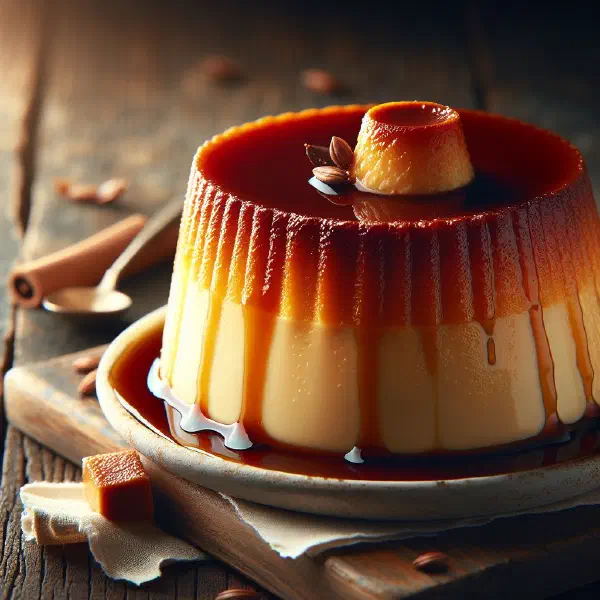
Meet Bienmesabe, the sweet, coconut-scented treasure of Venezuela, its name translates roughly as “it tastes good to me”, and one spoonful explains why. Fresh coconut, eggs and sugar melt together into something soft, creamy and unmistakably tropical. It is naturally gluten-free and lactose-free, simple enough for a weekday craving, and elegant enough to close a celebration meal in style.
About Bienmesabe
Bienmesabe is a traditional dessert from Venezuela that wins people over with its flavour as much as with how easy it is to make. Ingredients such as coconut, eggs and sugar come together in a creamy, very good texture. For many Venezuelans the dish carries warm memories of parties and family celebrations. Bienmesabe is always an excellent choice.
Ingredients (serves 1–2)
- 200 g grated coconut
- 4 eggs
- 150 g sugar
- 1 teaspoon vanilla extract
- 1 pinch of salt
Shopping for the ingredients
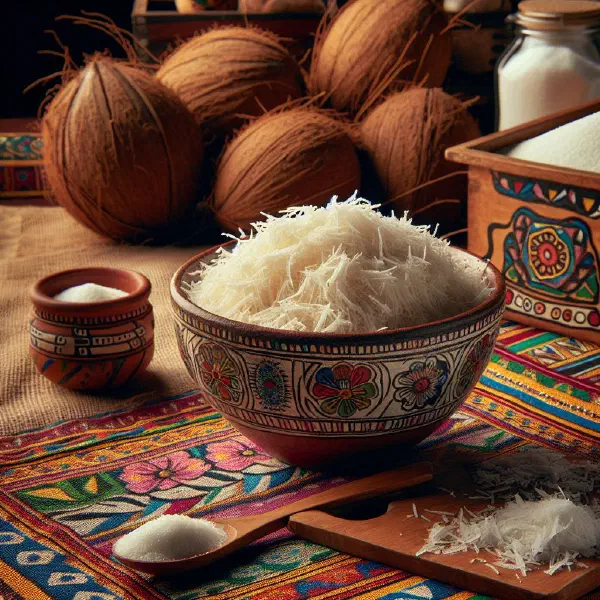
The ingredients for bienmesabe are easy to find in most supermarkets or in specialist Latin American grocery shops. When buying coconut, look for the freshest you can get. It makes a real difference to the aroma. You can use either white or brown sugar; brown sugar lends the dessert an extra caramel note. Do not skimp on the vanilla either, as good quality vanilla lifts the whole dish.
Preparing the dish
Before you start on bienmesabe, gather all your ingredients and clear yourself a tidy work surface. Separate the eggs into yolks and whites, as the two are used at different stages. Measure the sugar and the coconut carefully so the balance is right. Good preparation keeps the cooking process running smoothly from beginning to end.
Step-by-step instructions
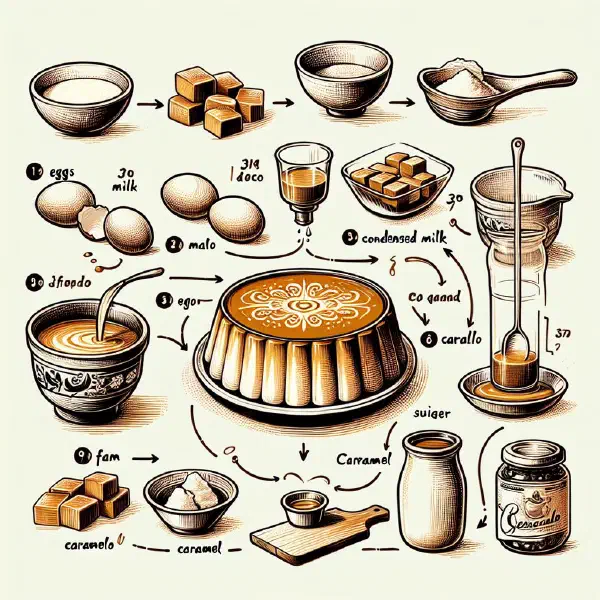
- Mix the grated coconut with the sugar in a pan and toast briefly over medium heat.
- Beat the egg yolks in a bowl until frothy, then stir in the toasted coconut and sugar mixture.
- Stir in the vanilla extract and a pinch of salt.
- Whisk the egg whites to stiff peaks in a separate bowl and fold them gently into the coconut mixture.
- Transfer the mixture to a suitable baking dish and bake in a preheated oven at 180 °C for about 30 minutes.
Gluten-free / lactose-free version
One of the great advantages of bienmesabe is that it is naturally both gluten-free and lactose-free. Every ingredient in the recipe is suitable for people with a gluten or lactose intolerance. You can therefore enjoy this dessert without worrying that it will clash with your dietary needs, a rare treat for anyone following a gluten-free or lactose-free diet.
Tips for vegans and vegetarians
For vegans, bienmesabe adapts easily: simply replace the eggs with plant-based alternatives. Flaxseed or chia “eggs” work beautifully as a binder here. Make sure the coconut is fresh and unsweetened so the vegan version comes out just right. For vegetarians the recipe needs no changes at all, so pleasure and principle can go hand in hand.
More tips and tricks
To give bienmesabe a little extra character, play with different aromatics and serving vessels. A pinch of cinnamon or a scattering of grated nuts adds a personal touch, much as they do in Cocada. The presentation can be made striking with fresh fruit or a crown of whipped cream. Let your creativity run and treat your guests to something memorable.
Adapting the recipe to your taste
Bienmesabe is an exceptionally versatile dessert that bends easily to personal preference. Like things very sweet? Simply increase the sugar. For a more intense coconut flavour, add a splash of coconut milk, the same trick that gives Arroz Con Coco its richness. Texture or taste, you can vary the ingredients freely to create your perfect bienmesabe. The recipe also scales up happily for a larger gathering.
Ingredient substitutions
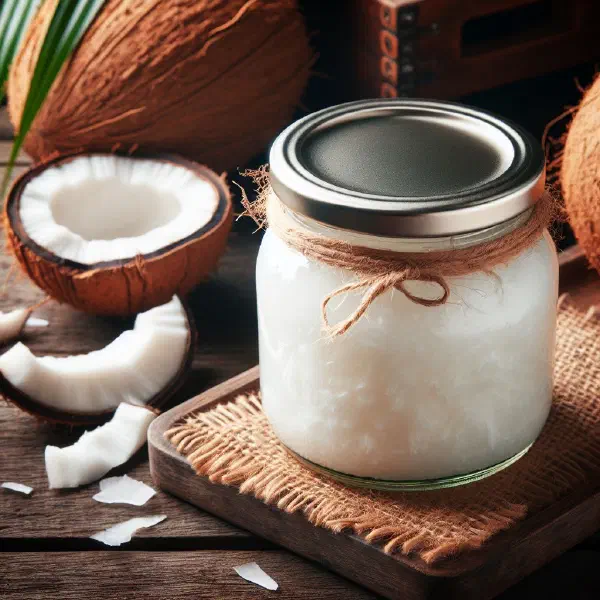
If you do not have every ingredient to hand, or simply fancy a new combination, there are plenty of alternatives. Instead of freshly grated coconut you can use desiccated coconut flakes, which are often easier to find. Honey or another sweetener suited to your diet can stand in for the sugar. Experiment with different versions until bienmesabe becomes your own favourite dessert.
Drink pairing ideas
Several drinks suit bienmesabe and echo its tropical notes. A refreshing mango juice or a classic piña colada both make ideal partners. For an alcohol-free option, coconut water underlines the coconut flavour perfectly, while a glass of Chicha offers a more traditional Venezuelan pairing. Choose whichever fits the occasion and enjoy the combination.
Serving and presentation ideas
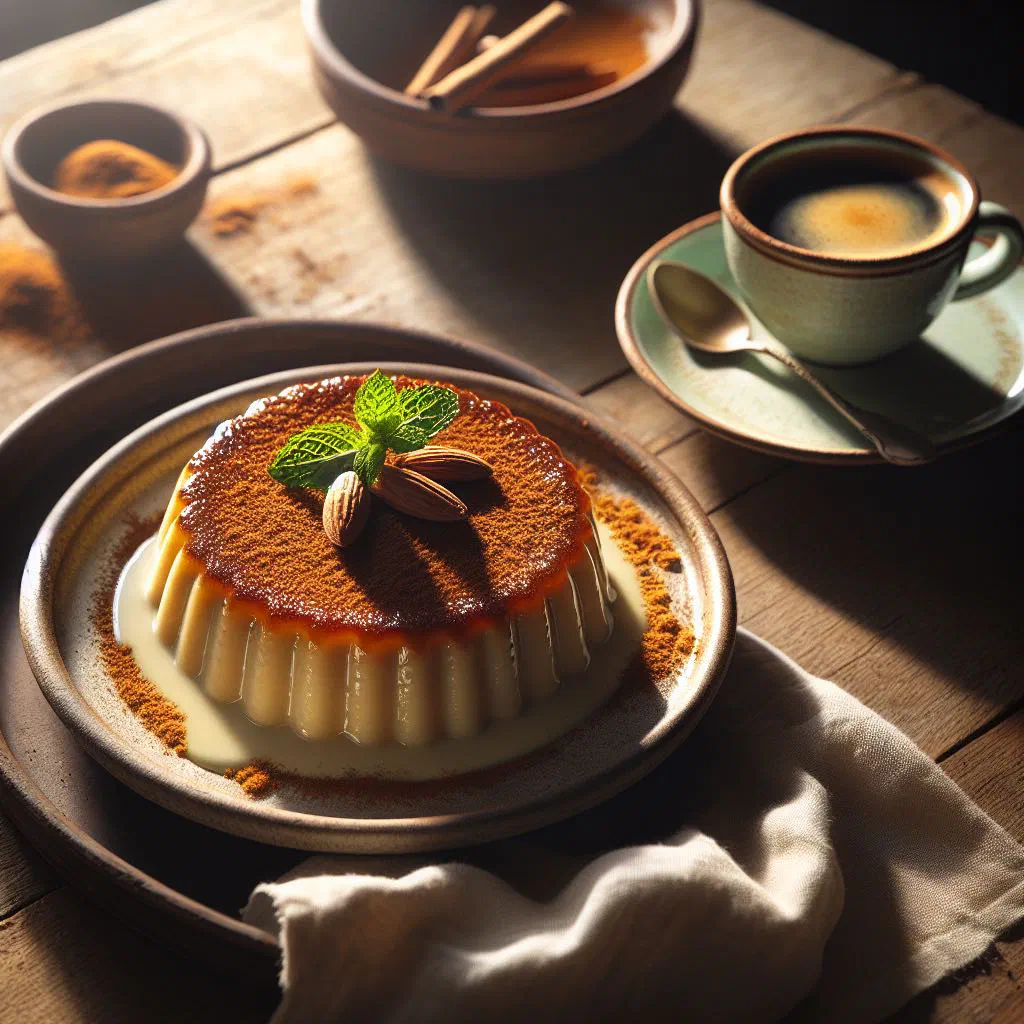
Presentation makes a real difference to how bienmesabe is received. Serve it in small glasses or on elegant plates for a refined impression. A few fresh mint leaves on top or a dusting of icing sugar adds a final flourish. Remember: an appealing presentation does not just make the dessert look better, it genuinely heightens the pleasure of eating it.
A bit of history
The roots of bienmesabe run deep in Venezuelan culture, where it is traditionally served at celebrations and festivities. The pairing of coconut and sugar dates back to the colonial era, when many exotic tropical ingredients arrived in Venezuela. The dessert is a genuine tribute to the country’s rich culinary traditions and reflects the cultural influences that shaped Venezuelan cuisine. Today bienmesabe remains a favourite with locals and visitors alike.
More recipe ideas
Summary: Bienmesabe
Bienmesabe is an one-of-a-kind dessert that brings the tropics of Venezuela straight to the table. Simple to prepare and endlessly adaptable, it works as both a festive highlight and an everyday indulgence. The creative scope for presentation and variation makes it a pleasure that suits every palate. Let this sweet dream tempt you and discover the flavours of Venezuela for yourself.