National Dish Venezuela: Buñuelos de Yuca (Recipe)
In this article
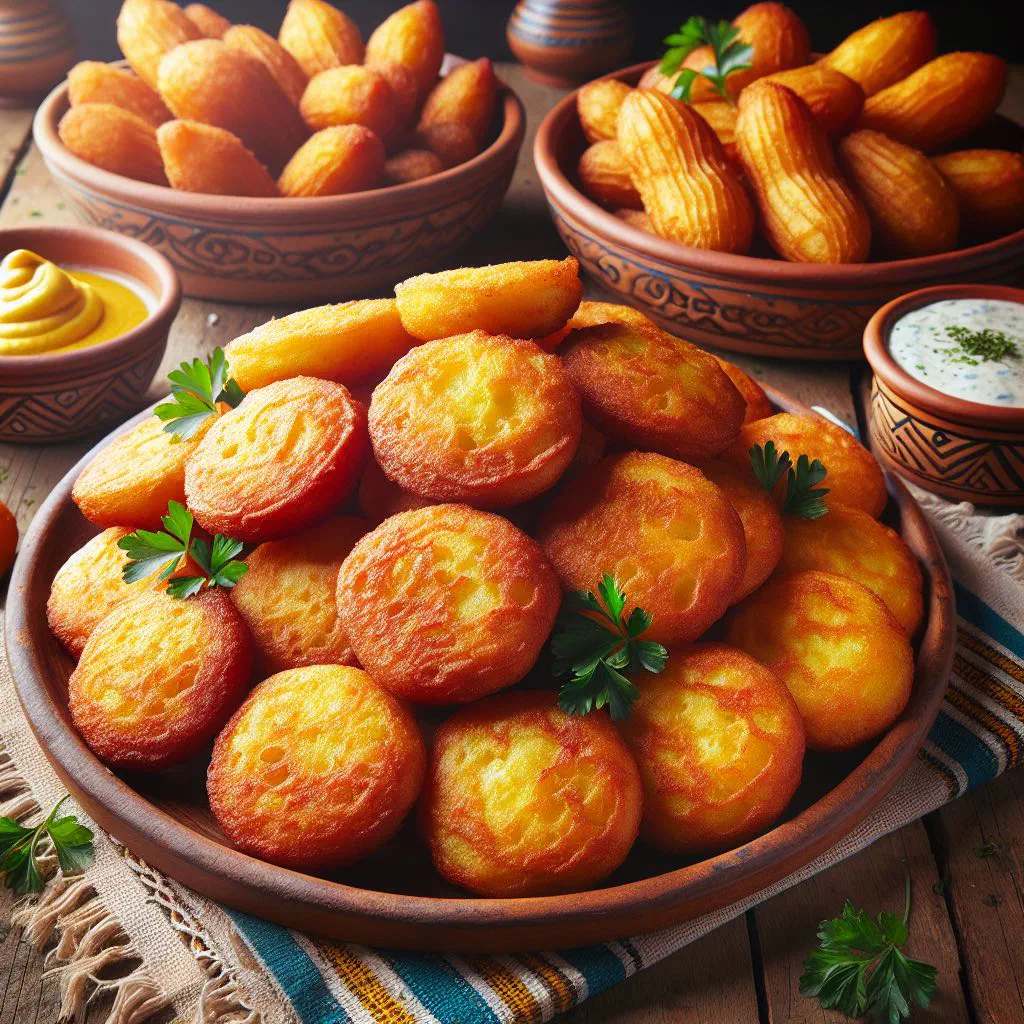
Crisp on the outside, soft and tender within, Buñuelos de Yuca are one of the most moreish little bites in Venezuelan cooking. These golden fritters are built around yuca, the starchy cassava root that anchors so much of Latin American home cooking, and they are just as welcome as a nibble with drinks as they are alongside a hearty main course. Drizzle them with honey or syrup and you have a snack that disappears from the plate alarmingly quickly.
About Buñuelos de Yuca
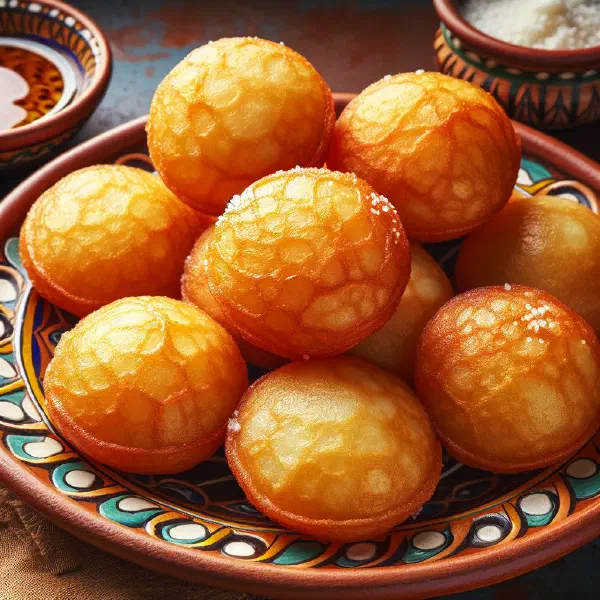
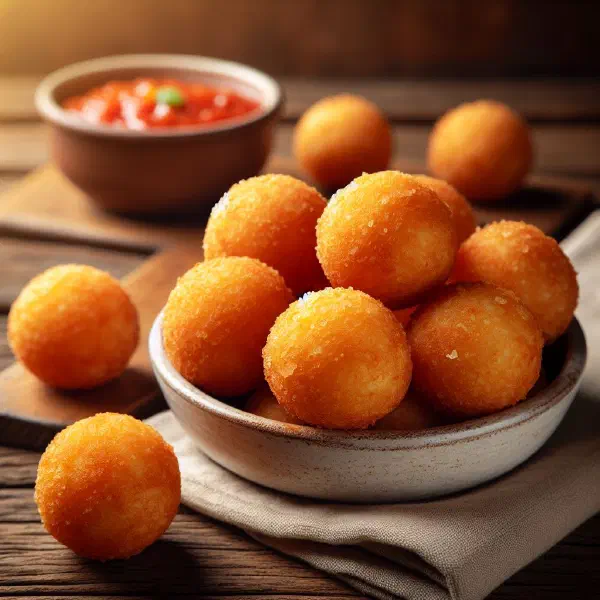
Buñuelos de Yuca are a genuine highlight of Venezuelan cooking, winning people over with their crunchy shell and delicate centre. The little balls are made from yuca, also known as cassava root, and are deep-fried to a handsome golden brown. They are often served as a snack or as a delicious side to a range of main dishes. If you want to get to know Venezuelan cuisine properly, Buñuelos de Yuca are an absolute must.
Ingredients (serves 1–2)
- 250g yuca (cassava)
- 1 egg
- 50g cheese, grated
- 1 pinch of salt
- Oil, for deep-frying
- Sweet sauce (honey or syrup, for example), to serve
Shopping for the ingredients
To make Buñuelos de Yuca at their best, buy everything as fresh as you can. You will find yuca in most Asian or Latin American grocers and sometimes in a well-stocked supermarket too. Check that the root is firm and free of blemishes, as that freshness makes a real difference to the flavour. The cheese can vary according to taste, but a mild, good-melting variety works best.
Preparing the dish
Getting ready for Buñuelos de Yuca is straightforward and rather enjoyable. First peel the yuca and cut it into chunks, then boil it in salted water until soft. Once cooked, let it cool a little before mashing it into a smooth mixture. Try not to leave any lumps behind, so the balls fry evenly all the way through.
Step-by-step instructions
- Bring the peeled yuca to the boil in a pan of water and cook for 20–30 minutes until soft.
- Drain the cooked yuca and let it cool slightly.
- Mash the yuca thoroughly with a fork or a potato masher.
- Add the egg, the grated cheese and a pinch of salt to the yuca mixture and combine well.
- Heat the oil in a deep-fryer or a deep pan.
- Shape small balls from the mixture with your hands.
- Deep-fry the balls in the hot oil until golden brown.
- Drain the fritters on kitchen paper and serve.
Gluten-free / lactose-free version
Buñuelos de Yuca are naturally gluten-free and can be made lactose-free simply by using a lactose-free cheese. That makes them a great option for anyone with an intolerance. If you are cooking for vegans, check that the cheese is entirely plant-based. Using plant-based margarine in place of butter is another useful swap, much as it is for Yuca con Mojo.
Tips for vegans and vegetarians
There are plenty of ways to adapt Buñuelos de Yuca to a vegetarian or vegan diet. You can replace the egg with apple sauce or a chia-egg alternative, for instance. The cheese, too, can give way to vegan cheese or another plant-based option. The dish stays every bit as tasty and satisfying for everyone at the table.
More tips and tricks
For the very best results, the frying oil needs to be at the right temperature, ideally between 180 and 190°C. That keeps the outside crisp without the fritters soaking up too much oil. If you are not serving them straight away, keep them warm in a low oven so they stay crunchy. It is also well worth experimenting with different spices in the yuca mixture for extra depth of flavour.
Adapting the recipe to your taste
Everyone’s palate is different, and Buñuelos de Yuca take kindly to tinkering. You might add garlic powder or paprika to the base mixture, or reach for a punchier cheese to change the character entirely. Different cheese varieties shift the flavour noticeably, so be creative and try a few combinations until you land on your favourite.
Ingredient substitutions
If you do not have everything to hand, there are plenty of workable alternatives. In place of yuca you can use another root vegetable such as potatoes, though the result will be a little different, closer in spirit to Papas Bravas. For the cheese, any good plant-based cheese substitute that melts well will do the job. Just remember you may need to tweak the quantities slightly to get the right consistency.
Drink pairing ideas
A wide range of drinks suits Buñuelos de Yuca. Refreshing fruit juices such as mango or pineapple are a lovely match, complementing the flavour of the fritters nicely. A light white wine or a sweet craft beer can work beautifully too. If you fancy something more traditional, try aguas frescas, a hugely popular drink in Venezuela, or a fruity Tizana.
Serving and presentation ideas
Presentation matters, and Buñuelos de Yuca are no exception. Serve the fritters on an attractive plate, garnished with a colourful sauce or a dip. A scattering of fresh herbs such as coriander or parsley adds both colour and aroma. That small gesture lifts the whole experience and never fails to impress guests.
A bit of history
Buñuelos de Yuca are deeply rooted in traditional Venezuelan cooking and reflect the country’s rich culinary history. They carry Spanish influences dating back to the colonial era, when European ingredients and techniques took hold locally. Yuca itself is a staple across much of Latin America, prized for its versatility. This dish is not merely a snack but a piece of Venezuelan culture, often served at festivals and celebrations alongside classics such as Hallacas.
More recipe ideas
Summary: Buñuelos de Yuca
In short, Buñuelos de Yuca are a delicious and versatile Venezuelan speciality that works equally well as a snack or as a side dish. They are simple to make and offer no end of scope for adapting to different diets. With the right frying technique and a little care, these crisp golden balls become a hit at any table. Dive into Venezuelan culture and savour every bite.