National Dish Venezuela: Cazón en Coco (Recipe)
In this article
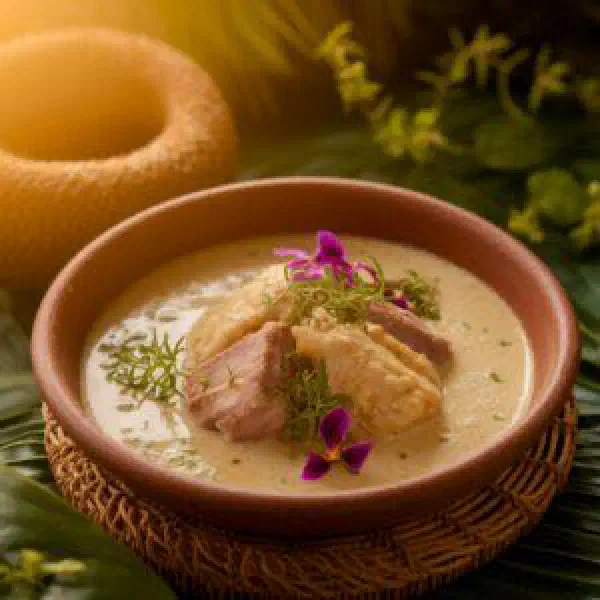
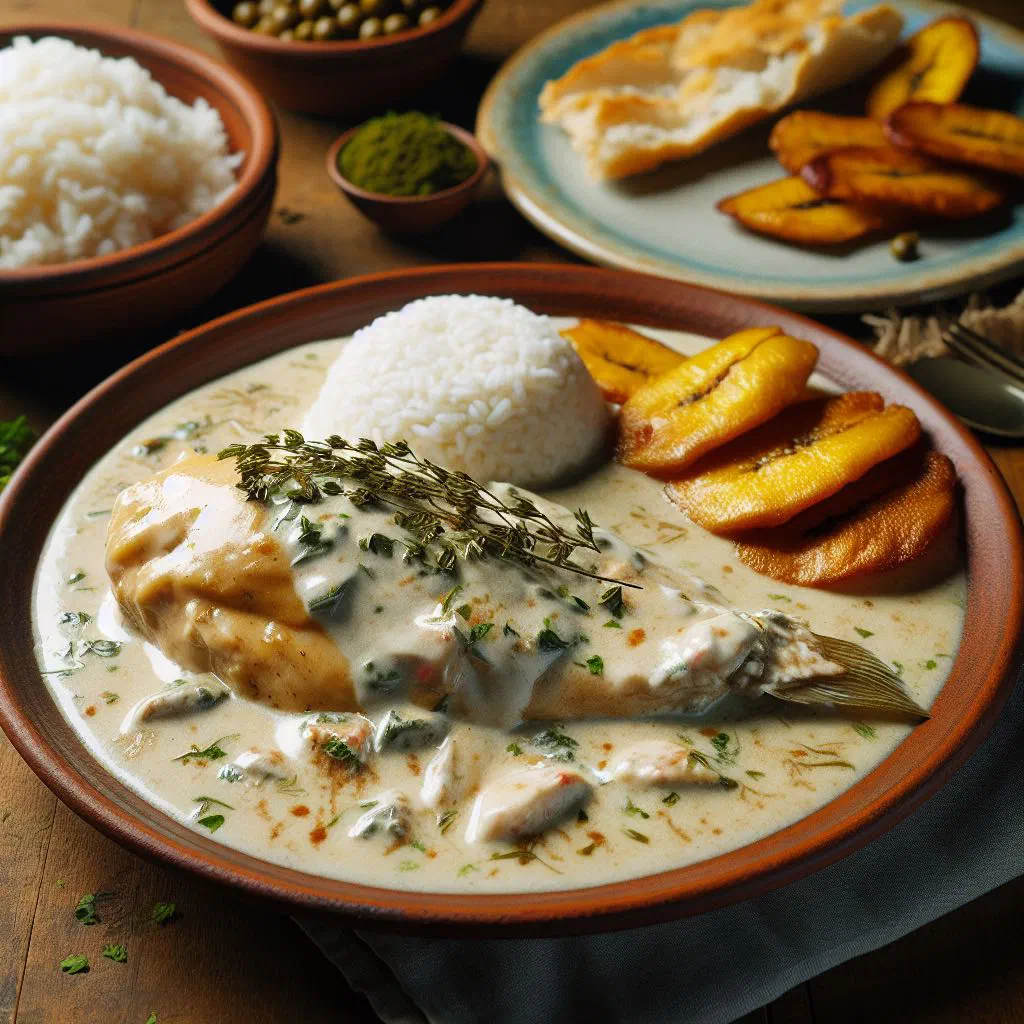
Meet Cazón en Coco, a sun-drenched classic from Venezuela’s Caribbean coast. Tender pieces of fish are simmered in a fragrant coconut sauce until the whole pan turns creamy, mellow and faintly sweet. It is the kind of dish that tastes of sea breeze and tropical markets, yet comes together in a single frying pan on an ordinary weeknight. Bright with lime, gently spiced and endlessly comforting, it is Venezuelan home cooking at its most inviting.
About Cazón en Coco
Cazón en Coco is a traditional Venezuelan dish that impresses with its unusual flavour and with its cultural significance. It combines tender shark, known locally as cazón, with an aromatic coconut sauce that lends a creamy, subtly sweet note. The dish reflects the close relationship between sea and land that is so treasured in Venezuelan cooking. Harmonious flavours and generously fresh ingredients have made it a favourite celebration meal in households right along the coast.
Ingredients (serves 1–2)
- 300 g cazón (shark), or another firm white fish
- 200 ml coconut milk
- 1 onion, finely chopped
- 2 cloves of garlic, crushed
- 1 pepper, diced
- Juice of 1 lime
- 2 tablespoons vegetable oil
- Salt and pepper to taste
- Fresh herbs (coriander, for example), to garnish
Shopping for the ingredients
To make an authentic Cazón en Coco, choosing the right ingredients matters. When buying the cazón, look for fresh fish, ideally from a sustainable source. Good-quality coconut milk contributes a great deal to the character of the dish and is available either tinned or freshly pressed. Seasonal, locally grown vegetables such as onions and peppers give the best flavour while supporting regional growers at the same time.
Preparing the dish
Preparing Cazón en Coco is straightforward, though it does need a little time for the flavours to develop properly. Begin by cutting the fish into bite-sized pieces and marinating them in a bowl with lime juice, salt and pepper. While the seasoning works its way in, prepare the remaining ingredients such as the onions and peppers. This groundwork is what ensures every component of the dish sits in balance once it hits the pan.
Step-by-step instructions
- Heat the vegetable oil in a frying pan and sauté the onions and garlic until translucent.
- Add the diced pepper and fry for a further 2–3 minutes.
- Add the marinated pieces of cazón and fry until lightly golden brown.
- Pour the coconut milk over the fish and let everything simmer over low heat for about 15–20 minutes.
- Season to taste with salt and pepper and garnish with fresh herbs.
Gluten-free / lactose-free version
Cazón en Coco is naturally gluten-free and lactose-free, which makes it an excellent choice for anyone with food intolerances. Do check the labels on the ingredients you use, particularly spices and any additional sauces, so you can be certain your dish contains neither gluten nor lactose. The coconut milk is itself a superb plant-based alternative to conventional dairy products.
Tips for vegans and vegetarians
For vegans and vegetarians, a dish built around fish may seem like a tall order. A delicious alternative is to use flavourful vegetables or tofu in place of the fish. Marinate these in lime juice in exactly the same way to achieve that same depth of flavour. It is worth building the dish out with a combination of different vegetables and aromatic spices to vary the textures and aromas, much as you would in a hearty Caraotas Blancas.
More tips and tricks
To make Cazón en Coco even tastier, add diced tomatoes or chilli during cooking to give the dish extra depth. Experiment with regional herbs or spices to put your own stamp on it. And do not be afraid to play with the consistency of the coconut milk, thick and rich or a little looser, whichever you prefer. Small adjustments like these are what turn the recipe into your own.
Adapting the recipe to your taste
Cazón en Coco is easy to tailor to personal preference. If you like more heat, add extra chilli or punchier spices. For a creamier consistency, use more coconut milk or blend it with another plant-based milk. The choice of vegetables can vary too, so you can work in whatever is seasonal or locally grown. These adjustments let you reinvent the recipe every time you cook it.
Ingredient substitutions
If cazón is hard to come by where you live, another firm fish such as snapper or cod makes a fine alternative, the same approach that works so well for Pescado en Salsa. Instead of coconut milk you can reach for coconut cream, which gives the dish a particularly rich consistency. Dried herbs can stand in for fresh ones, though they are less intense in flavour. Bear in mind that every change affects the final result, so keep an eye on the proportions to land on the flavours you want.
Drink pairing ideas
To round off the experience of Cazón en Coco, refreshing drinks work beautifully. A classic Venezuelan strawberry merengada brings fresh fruit and a creamy body that complements the dish perfectly. Alternatively, serve a simple citrus cocktail with lime and rum to underline the flavours of the food, or take inspiration from a Mojito Criollo. For an alcohol-free option, a refreshing coconut lemonade suits the tropical notes on the plate.
Serving and presentation ideas
Presentation plays an important part in the enjoyment of Cazón en Coco. To show the dish off, serve it in a large shallow bowl so the aromatic coconut sauce is properly on display. Garnish with fresh herbs such as coriander or parsley, which offer both a colour contrast and a lift in aroma. A few slices of lime on the side act as a visual highlight and let guests add a little extra freshness of their own. Crisp Tostones alongside make a fine accompaniment.
A bit of history
Cazón en Coco has a fascinating history, rooted deep in Venezuelan culture. The influence of the coastal regions, where fishing has long been a way of life, is tangible in every mouthful. Historically the dish was handed down from generation to generation, serving not only as sustenance but as a piece of cultural heritage. The use of coconuts, plentiful throughout the tropics, gave the dish its distinctive note and made it a symbol of hospitality within Venezuelan cuisine.
More recipe ideas
Summary: Cazón en Coco
In short, Cazón en Coco is an extraordinary Venezuelan dish that wins people over with its singular pairing of tender fish and a creamy coconut sauce. It is simple to prepare and full of rich flavour and open to countless variations. It is bound to leave a lasting impression. Dive into Venezuelan cooking and discover the time-honoured traditions to be found in every bite of Cazón en Coco.