National Dish Venezuela: Mandocas (Recipe)
In this article
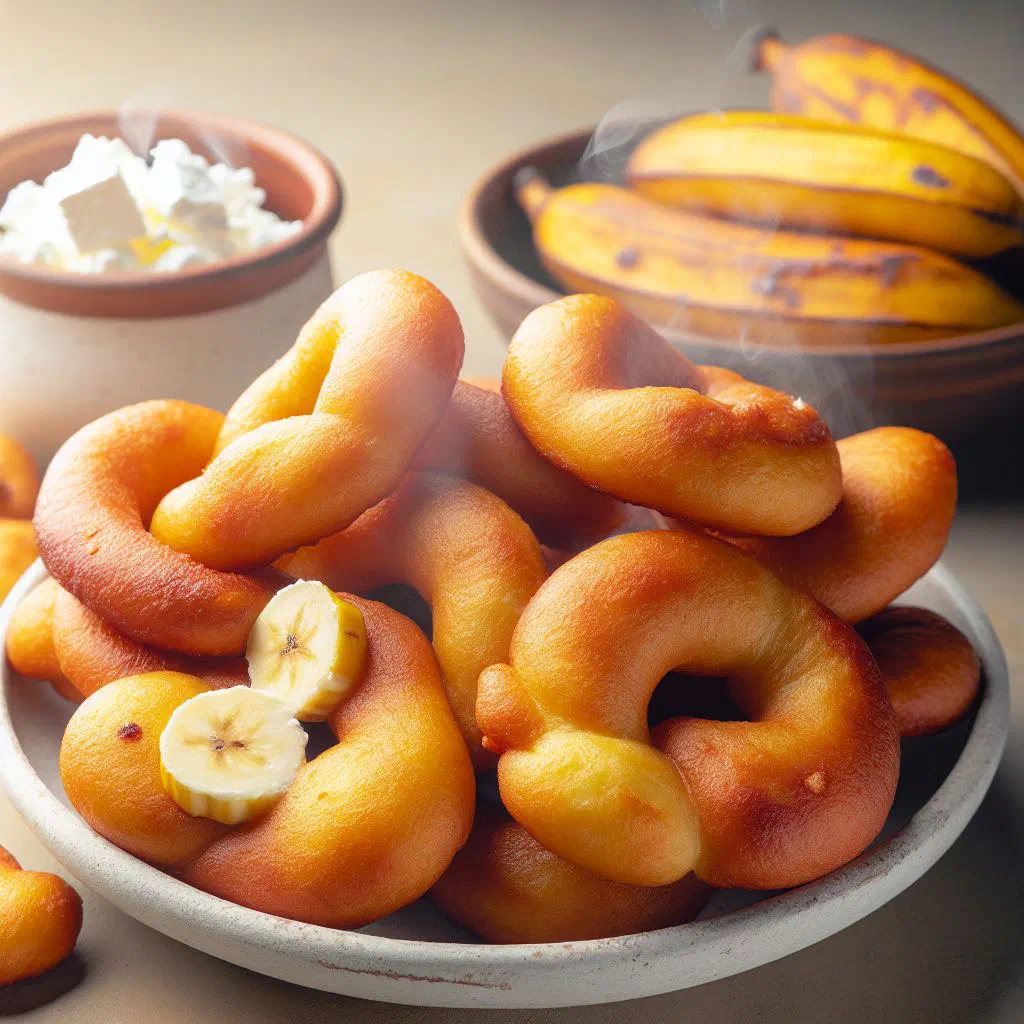
Meet Mandocas, the golden little dough rings that Venezuelans reach for at breakfast and again whenever a snack is called for. Made from cassava flour and sweet ripe bananas, they come out of the pan crisp on the outside and soft within, striking that very good balance between sweet and savoury. They are quick to make, need only a handful of storecupboard basics, and bring a genuine taste of Venezuelan home cooking to your table.
About Mandocas
Mandocas are a fixture of the Venezuelan kitchen and offer a flavour experience all of their own. These little fried dough rings are built mainly from cassava flour and ripe bananas, two ingredients that harmonise beautifully. The sweet-yet-savoury taste, paired with a crisp texture, makes mandocas a hit as both a snack and a breakfast. They are also refreshingly simple to prepare and put a piece of Venezuelan culture straight onto your plate.
Ingredients (serves 1–2)
- 200 g cassava flour
- 1 ripe banana
- 1 teaspoon baking powder
- 1 pinch of salt
- Water, as needed
- Oil, for frying
Shopping for the ingredients
To make mandocas you need only a handful of simple ingredients, though each one matters for the flavour. Cassava flour is stocked by many supermarkets and by Latin American or specialist delicatessens, while ripe bananas are available almost everywhere. When buying the bananas, make sure they really are ripe, as this has a marked effect on the flavour of your mandocas. Salt and baking powder are everyday staples you most likely have in the cupboard already, the same basics that go into Arepitas Dulces.
Preparing the dish
Before you start on the mandocas, it pays to have everything ready to hand. Peel the banana and mash it in a bowl until smooth and free of lumps. The cassava flour and the other dry ingredients should be mixed together thoroughly before the banana joins them. These small preparations make sure the dough comes out even and that the mandocas hold their shape properly.
Step-by-step instructions
- Combine the cassava flour, baking powder and salt in a large bowl.
- Add the mashed banana to the dry ingredients and mix well.
- Add a little water as needed until you have a smooth, mouldable dough.
- With damp hands, shape small portions of dough and fry them in hot oil until golden brown.
- Drain the mandocas on kitchen paper and serve warm.
Gluten-free / lactose-free version
Mandocas are naturally gluten-free, since they are built on cassava flour. That makes them an ideal choice for anyone with a gluten intolerance. The ingredients also contain no lactose, which makes them an excellent option for people who need to avoid dairy. You can tuck in without a second thought if you are following a gluten-free or lactose-free diet.
Tips for vegans and vegetarians
Because mandocas are made entirely from plant-based ingredients, they are naturally suited to vegans and vegetarians alike. To make the dough a touch healthier, swap ordinary cooking oil for a cold-pressed oil. Adding spices such as cinnamon or vanilla lifts the aroma of the mandocas further still, and you can also experiment with fillings to give them an extra dimension.
More tips and tricks
To make sure your mandocas turn out perfectly every time, take care to heat the oil properly before you start frying. This encourages a crisp crust and stops the dough soaking up too much fat. Shaping the little rings matters too. Keep them a consistent size so they cook evenly. And do treat yourself to them straight from the pan, because that is when they taste their very best.
Adapting the recipe to your taste
Mandocas are wonderfully versatile and easy to tailor to personal preference. You might fold in extras such as chocolate or nuts to suit your palate. If you lean savoury, stir grated cheese through the dough, much as you would for Pan de Queso, or top the mandocas with avocado. Play around with different flavours until you land on your own perfect version.
Ingredient substitutions
If you do not have the right cassava flour to hand, other gluten-free flours are worth a try, rice flour or oat flour among them. They bring a different flavour with them, but the results can be genuinely interesting. In place of bananas you could also use apples for a different kind of sweetness. Experiment with different ingredients to discover new variations on the mandoca.
Drink pairing ideas
Several drinks pair happily with mandocas and round off the experience. A freshly brewed coffee or a tropical fruit smoothie are popular companions, while a fruity iced tea or a traditional Chicha also works beautifully. Choose a drink that complements your mandocas and enriches the whole meal.
Serving and presentation ideas
How you present mandocas can turn a simple bite into something memorable. Serve them on a handsome plate and finish with fresh herbs or a dusting of cinnamon. A small dish of honey or a fruity sauce alongside turns them into an interactive treat. Keep an eye on how the colours sit together so the plate looks as appetising as it tastes.
A bit of history
Mandocas originated in Venezuela, particularly in the western state of Zulia, and stand as a marker of traditional cooking there. The recipe reflects the use of local ingredients that grow abundantly in the region. Cassava and bananas are staple foods across much of Latin America and show how closely the gastronomy is tied to the land. Mandocas are not merely a dish but part of Venezuela’s cultural identity, handed down through countless family recipes and sitting comfortably within the wider world of Venezuelan cuisine.
More recipe ideas
Summary: Mandocas
Mandocas are a thoroughly Venezuelan recipe that appeals to the eye as much as the palate. These crisp fried rings, made from cassava flour and bananas, deliver an experience that is savoury and sweet at once. Mandocas come together quickly and underline the heritage of Venezuelan cooking. Enjoy them fresh and warm to get the full range of their flavours.