National Dish Venezuela: Mango Jelly (Recipe)
In this article
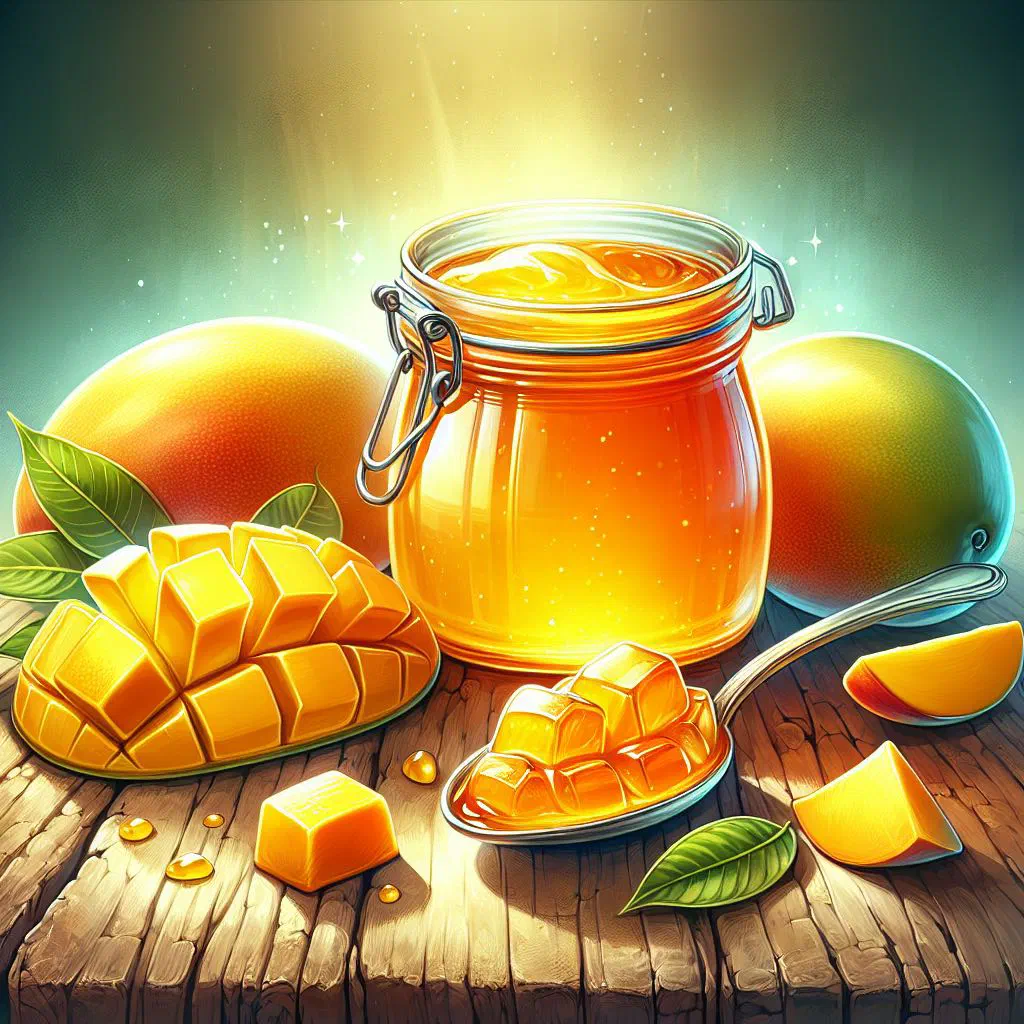
Few things capture the warmth of the Venezuelan tropics quite like Jalea de Mango, a glowing amber jelly made from ripe, sun-sweetened mangoes. Spread it thickly on warm bread at breakfast, spoon it over ice cream, or simply eat it straight from the jar when nobody is looking. It takes barely half an hour to make, keeps beautifully, and fills the kitchen with the scent of a South American market. This is preserving at its most rewarding.
About Jalea de Mango
Jalea de Mango is a traditional Venezuelan sweet made from fresh mangoes, and it has become a favourite far beyond its home country. This fruity jelly owes its appeal to the natural sweetness of the fruit and to its soft, spoonable texture, which makes it equally at home at breakfast, as a snack or as a dessert. It is genuinely simple to prepare, asking little more than good fruit and a bit of patience at the stove. One jar brings the flavour of South America straight into your own home.
Ingredients (serves 1–2)
- 2 ripe mangoes
- 200 g sugar
- 1 lime (juice only)
- 1 sachet of setting agent (e.g. pectin)
- A pinch of salt
Shopping for the ingredients
Before you start on your jalea, it is worth taking a little care over the ingredients, since there are so few of them that each one counts. Look for ripe, juicy mangoes. They should give slightly under gentle pressure and smell fragrant at the stem end, as aroma is what carries the finished jelly. The remaining items, sugar and limes, are easy to find in any supermarket. If the mangoes in your shop look pale and firm, buy them a few days ahead and let them ripen on the windowsill.
Preparing the dish
Getting ready is quick and refreshingly uncomplicated. First peel the mangoes and cut the flesh away from the large flat stone in the middle, working over a bowl so you catch every drop of juice. Chop the flesh into small pieces so it purées easily. Squeeze the lime and set the juice aside, its acidity both brightens the flavour and helps the pectin to set. These few simple steps are the key to a really good result.
Step-by-step instructions
- Purée the peeled mangoes in a blender until completely smooth.
- Tip the purée into a saucepan and stir in the sugar, lime juice and a pinch of salt.
- Add the setting agent according to the packet instructions and bring everything to the boil.
- Simmer for about 10 minutes, stirring constantly, until the mixture thickens.
- Pour the jelly into clean jars and leave to cool completely.
Gluten-free / lactose-free version
Jalea de Mango is naturally gluten-free and lactose-free, since it consists of little more than mangoes, sugar and lime juice. For anyone living with an intolerance that is a considerable advantage. This is one dessert that needs no adaptation at all. Do check that your setting agent is also free from gluten and dairy, as some commercial blends contain fillers. Beyond that, the jelly stays a safe and delicious treat for everyone at the table.
Tips for vegans and vegetarians
Because it contains no meat or animal products, Jalea de Mango is naturally suitable for vegans and vegetarians alike. If your usual gelling product is gelatine-based, swap in a plant-based setting agent such as agar-agar, which gives an equally firm consistency with a slightly cleaner bite. That small substitution makes the recipe accessible to every kind of diet without changing its character. Enjoy the jelly on warm bread or as a filling for cakes and pastries.
More tips and tricks
A few small habits will improve your jalea considerably. Fresh, properly ripe mangoes matter most, but you can also lift the flavour with warm spices, a cinnamon stick or a slice of fresh ginger dropped into the pan while it simmers works beautifully. Skim any foam from the surface before jarring for a clearer, more jewel-like finish. And do experiment with other tropical fruits: pineapple or papaya blended with the mango makes an interesting variation, in the same spirit as the fruit desserts that pair so well with Cachapas.
Adapting the recipe to your taste
When it comes to tailoring Jalea de Mango to your own preferences, the possibilities are almost endless. Adjust the sugar up or down depending on how sweet your fruit is and how sweet you like your preserves, very ripe mangoes often need noticeably less. A few leaves of fresh mint stirred in at the end give a cooling, refreshing edge. This flexibility means you can shape the recipe until it fits your palate exactly, so every jar becomes something personal.
Ingredient substitutions
If fresh mangoes are not available, mango purée from a jar or even frozen mango chunks will do the job perfectly well; simply thaw the frozen fruit first and drain off any excess water. The sugar, too, can be replaced with alternatives such as honey or agave syrup for a slightly less refined version, though be aware that these affect the set and may need a little more gelling agent. Adjustments like these make the recipe more forgiving and easier to fit around whatever is in the cupboard.
Drink pairing ideas
Jalea de Mango sits happily alongside a wide range of drinks. A cool glass of mango lemonade or a sparkling mint tea matches the fruit without competing with it, while a plain black tea offers a pleasantly bitter contrast to the jelly’s sweetness. For something more festive, the milky sweetness of a Chicha makes a wonderfully indulgent partner. Try a few combinations to find the pairing you like best.
Serving and presentation ideas
An attractive presentation makes any table more inviting, and this jelly is easy to show off. Use decorative jars or small glass bowls so the deep golden colour is visible from every angle. Add fresh fruit or a few mint leaves for contrast, and consider serving it as part of a spread with breads and pastries such as Golfeados. Bright colours and a little care with the arrangement will turn a simple preserve into a genuine centrepiece.
A bit of history
Jalea de Mango has its roots in the Venezuelan kitchen, where it has been made for generations. Mangoes grow abundantly across the tropical regions of the country and hold a valued place in local culture, often picked straight from the tree in family gardens. Making jellies and conserves is a long-standing Latin American tradition, born of the practical need to preserve fresh fruit and capture the taste of the season before the heat could spoil it. That tradition has endured, and the jelly remains a familiar presence at Venezuelan festivals and celebrations, much like the sweets and savouries of Venezuelan cuisine more broadly.
More recipe ideas
Summary: Jalea de Mango
In short, Jalea de Mango is a remarkable example of what Venezuelan cooking does so well: taking a handful of humble ingredients and turning them into something memorable. Its sweet, fruity aroma and sheer versatility make it a dish worth recommending without reservation, whether you serve it at breakfast or fold it into a dessert. The simple method and the ease with which it adapts to personal taste are further points in its favour. Make a batch, keep a jar on the shelf, and bring a little piece of South America into your home.