National Dish Yemen: Asida (Recipe)

In this article
Meet Asida, a beautifully simple staple of the Yemeni table. Made from little more than wheat flour and water worked into a smooth, elastic dough, it is the kind of honest, comforting food that has fed families for generations. Served with a pool of sweet honey or a rich, savoury sauce, asida turns humble ingredients into something quietly special, a dish for both everyday meals and joyful celebrations alike.
About Asida
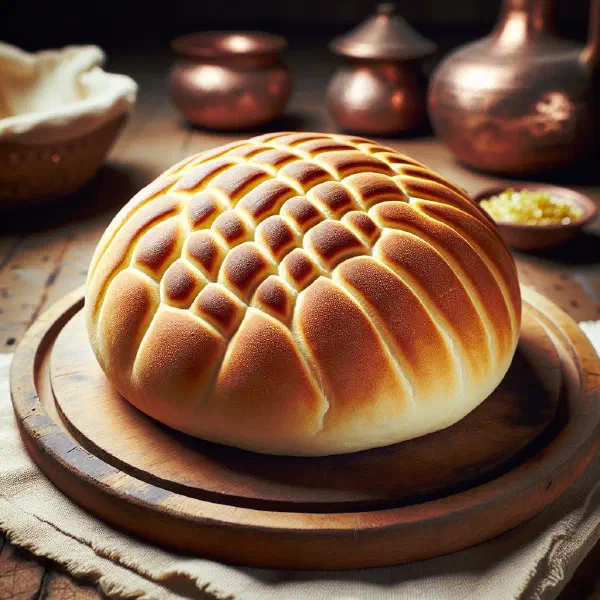
Asida is a traditional Yemeni dish loved for its simplicity and its distinctive character. At its heart is a soft wheat-flour dough, worked until it becomes smooth and elastic. It is often served with sweet or savoury sauces, and it is this pairing that gives the dish its special appeal. In Yemen, asida is a popular everyday meal and holds a firm place at festive occasions, where it is shared warmly among family and friends.
Ingredients (serves 1–2)
- 1 cup wheat flour
- 1 cup water
- 1 teaspoon dried yeast
- 1 pinch of salt
- 1 tablespoon oil (optional)
Shopping for the ingredients
To make asida you need only a few basic ingredients, all of which are easy to find in most supermarkets. Wheat flour is the main component and should be of good quality to achieve the best texture. Dried yeast helps to lighten the dough and is just as easy to track down. When you shop, look for fresh products to guarantee the best possible flavour, the same care that rewards you when preparing any dish from Yemeni cuisine.
Preparing the dish
Getting asida ready is refreshingly straightforward and takes only a handful of steps. Start by gathering and measuring out all of your ingredients. The right ratio of flour to water is crucial for the consistency of the dough. A little oil can lend the dough extra suppleness and makes it easier to work with as you go.
Step-by-step instructions
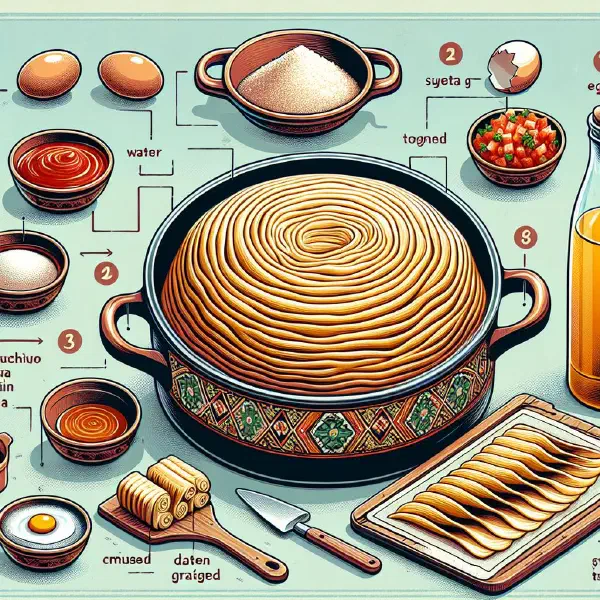
- In a bowl, combine the wheat flour with the dried yeast and salt.
- Add the water and mix everything well until a dough begins to form.
- Knead the dough on a floured surface for around 10 minutes, until it is elastic.
- Shape the dough into a ball, place it in an oiled bowl, cover and leave to rest for 1 hour.
- After resting, transfer the dough to a baking tray lined with parchment and spread it out evenly.
- Bake at 180°C for about 20 minutes, until the surface is golden brown.
Gluten-free / lactose-free version
To make asida gluten-free, you can use a gluten-free flour made from rice, maize or almonds. Take care to choose the right ingredients that suit a gluten-free diet. For a lactose-free version, simply use the oil and avoid any dairy products in your sauces. There are plenty of delicious alternatives to traditional sauces that complement the flavour of asida wonderfully.
Tips for vegans and vegetarians
Asida is naturally very vegan, especially when no animal products find their way into the sauces. Be sure to use plant-based oils and vegetable stock when preparing your sauces. If you would like to adapt the dish further, you can add a plant-based egg alternative should you want a richer colour or a different flavour. There are many creative ways to serve asida vegan, for example with fresh vegetables and spices, much like a bowl of Shorbat Adas.
More tips and tricks
A few extra pointers can help you get the very best from asida. Experiment with different fillings or sauces to create a range of flavour experiences. Adding herbs and spices can lend the dish a special note that lifts it above the ordinary. The choice of accompaniment matters too; try different combinations to build the perfect spread.
Adapting the recipe to your taste
The beauty of asida is that it adapts easily to different eating habits and tastes. You can vary the ingredients as you please, whether by adding vegetables, meat or other flavours. The ratio of water to flour can also be adjusted depending on the consistency you are after. Experiment with different versions to add a personal touch of your own.
Ingredient substitutions
If some of the ingredients are not to hand, there are plenty of alternatives you can turn to. In place of wheat flour, you might use oat flour or chickpea flour, for instance. For the liquid, besides water you could consider vegetable stock or other plant-based milk alternatives. Be creative and find the blends that suit you best, the same spirit of improvisation that shapes a comforting Fattah.
Drink pairing ideas
A variety of drinks pair nicely with asida to round off the meal. Traditionally a spiced tea or a fresh juice is often served alongside. A herbal tea can also make a refreshing addition. Experiment with different drinks to find the perfect companion for your asida.
Serving and presentation ideas
Presentation can lift the whole asida experience. Serve the dish in a large bowl and set the sauce beside it, so everyone can help themselves as they like. Give the dish a festive feel by arranging fresh herbs or colourful vegetables around it. An appealing presentation builds anticipation for the meal and never fails to impress your guests.
A bit of history
Asida has its roots in Yemeni cuisine and has been prepared in various forms for centuries. Historically it was a dish of simplicity and contentment, often shared within families or communities. Today it is both an everyday meal and a symbol of festive gatherings. Preparing asida brings people together and celebrates the culture and tradition of Yemen, in the same way that time-honoured breads such as Jachnun do.
More recipe ideas
Summary: Asida
Asida is a versatile and tasty dish that is easy to vary in both its preparation and its ingredients. With its traditional origins and its ability to adapt to different tastes, it is a wonderful example of the rich Yemeni kitchen. Whether sweet or savoury, asida appeals to with its texture and its aromas. Let its many possibilities inspire you, and enjoy the flavours of Yemen in your own home.