National Dish Yemen: Basbousa (Recipe)
In this article
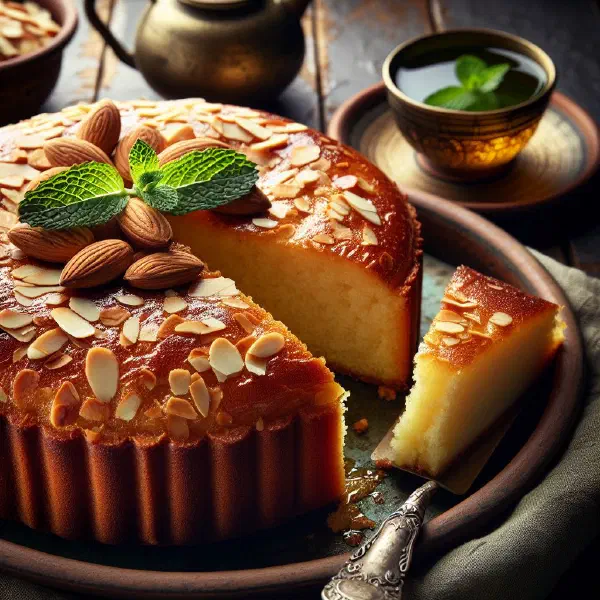
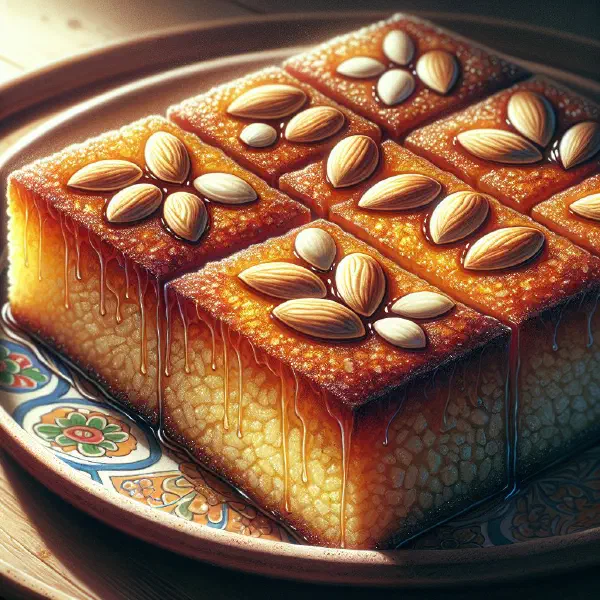
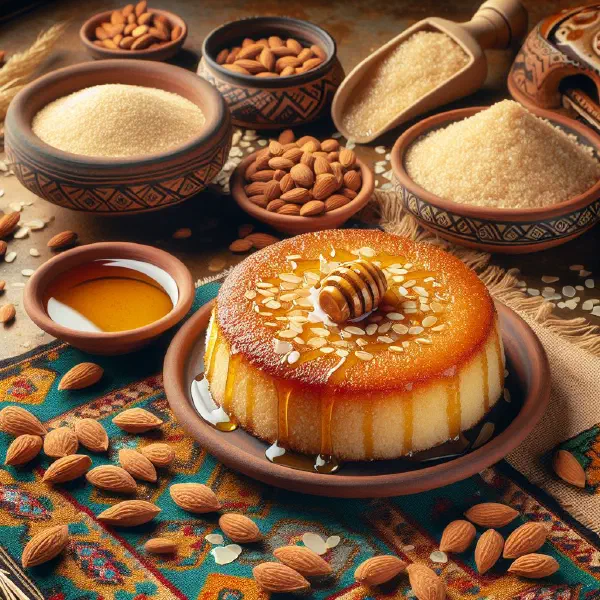
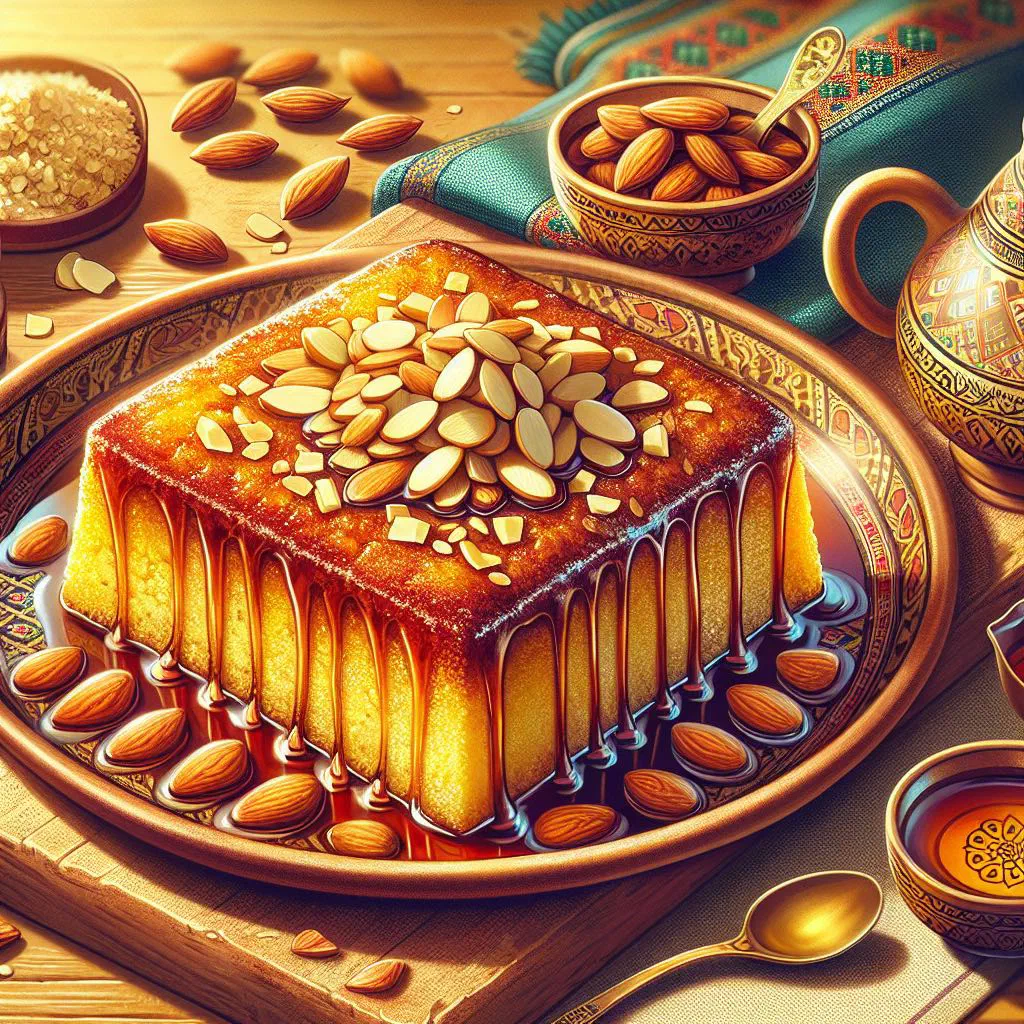
Discover Basbousa, one of Yemen’s best-loved sweet treats. This moist, tender semolina cake is soaked in a fragrant sugar syrup and crowned with almonds, giving every bite a soft, syrupy richness. Delicately scented with orange blossom water, it is the kind of dessert that turns a special occasion into a celebration, yet it is simple enough to whip up whenever a sweet craving strikes. Bring a taste of the Arabian Peninsula straight to your own kitchen.
About Basbousa
Basbousa is a much-loved traditional dessert from Yemen, enjoyed right across the Arab world for its distinctive flavour and its tender, syrup-soaked crumb. Made from durum wheat flour or semolina, it bakes up moist and golden, with a sweetness that never feels heavy. The pairing of almonds and a luscious sugar syrup gives basbousa its unmistakable character, while a hint of orange blossom water lifts the whole thing to something truly special. Simple, homely and endlessly satisfying, it is a staple at festive gatherings.
Ingredients (serves 1–2)
- 100 g durum wheat flour or semolina
- 100 g sugar
- 100 ml yoghurt
- 50 ml sunflower oil
- 1 tsp baking powder
- A few almonds, to decorate
- For the sugar syrup: 100 g sugar, 100 ml water, a little lemon juice
Shopping for the ingredients
When shopping for basbousa, it is worth choosing good-quality ingredients to get the best result. Pay particular attention to the semolina or durum wheat flour and the sugar, as these form the very foundation of the flavour. The yoghurt contributes to that signature moist texture, so reach for fresh, natural products wherever you can. Almonds can be used blanched or unblanched, depending on the look you want for the finished cake.
Preparing the dish
Preparing basbousa is refreshingly straightforward and takes only a few steps. Start by gathering all your ingredients and greasing the baking tin well, so the cake releases cleanly once baked. It helps to make the sugar syrup ahead of time so it can cool while the cake is in the oven. A little orange blossom water can be added to the prepared ingredients too, rounding out the flavour beautifully.
Step-by-step instructions
- Preheat the oven to 180 °C.
- In a bowl, combine the durum wheat flour with the sugar, yoghurt, sunflower oil and baking powder.
- Stir the mixture well until you have a smooth, even batter.
- Spread the batter evenly into the prepared tin and decorate the surface with almonds.
- Bake the basbousa for around 30–35 minutes, until golden brown.
- Meanwhile, prepare the sugar syrup by heating the sugar, water and lemon juice in a small pan until the sugar has dissolved.
- Pour the cooled syrup over the hot basbousa as soon as it comes out of the oven.
- Let the basbousa cool before cutting it into pieces and serving.
Gluten-free / lactose-free version
For a gluten-free version of basbousa, simply swap the durum wheat flour for a gluten-free flour or a blend of almond flour and rice flour. To make the dessert lactose-free, use a plant-based yoghurt or coconut cream in place of the regular yoghurt. These alternatives keep the cake every bit as delicious while making it suitable for everyone. Do check all your other ingredients for allergens to guarantee a thoroughly gluten- and lactose-free result.
Tips for vegans and vegetarians
Basbousa is easily made vegan by replacing the yoghurt with a plant-based alternative such as soya or almond drink. That way the recipe stays open to anyone avoiding animal products. When shopping, look out for a vegan certification or the relevant note on the packaging. Vegetarians can follow the recipe exactly as written, since all the ingredients are of plant origin and there is no meat involved.
More tips and tricks
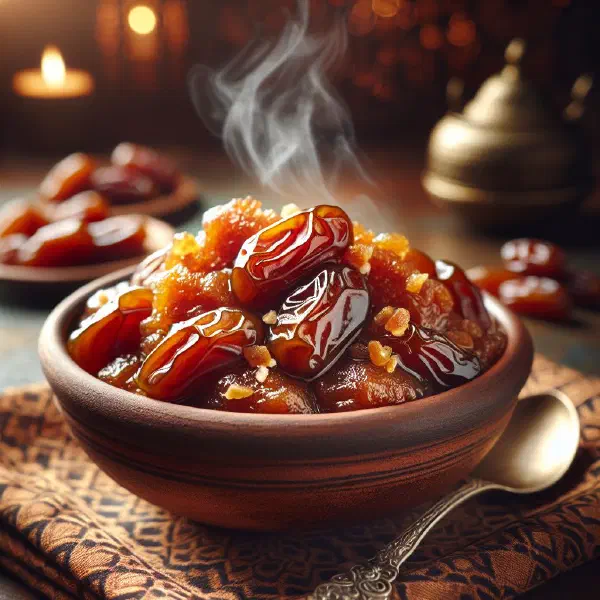
To get the most out of your basbousa, try experimenting with a few extra toppings or variations. Scattering chopped pistachios or desiccated coconut over the top adds an interesting note, for instance. You might also flavour the sugar syrup to taste, a sprig of mint works wonderfully, to create new flavour experiences. Finish the basbousa with fruit such as dates or figs for that little something extra, much like the fruity sweetness of a Date Halwa.
Adapting the recipe to your taste
Basbousa is a very flexible dessert that adapts easily to your own preferences. Like it sweeter? Increase the amount of sugar in the batter or the syrup. For a more aromatic flavour you might add cardamom or cinnamon. The beauty of this recipe is that it takes small changes in its stride without ever losing the essence of the dessert, something greatly prized in Yemeni cuisine.
Ingredient substitutions
If you find yourself without certain ingredients, there are plenty of alternatives to hand. In place of yoghurt, you can use quark or even apple sauce to achieve a similar texture. For the sugar syrup, agave syrup or honey both work well if you prefer a natural sweetness. Adaptations like these make the dish more versatile and suit a wide range of diets and tastes, the same easygoing approach you will find in a Mahallabiya.
Drink pairing ideas
A variety of drinks pair beautifully with a slice of basbousa. An aromatic tea, such as mint tea, complements the sweetness of the dessert perfectly. Alternatively, a fresh pomegranate juice or an orange lemonade adds a refreshing note. For special occasions you might even serve a glass of sparkling wine to raise the whole thing a notch and underline the festive mood. A cup of spiced Qishr Coffee is another lovely accompaniment.
Serving and presentation ideas
Presentation can make all the difference to that first impression of basbousa. One simple option is to arrange the pieces on a large serving platter and decorate them with a few sliced almonds or pistachios. A little spritz of sugar syrup from a spray bottle lends an appetising sheen.
A bit of history
The history of basbousa reaches far back and is deeply rooted in the traditional cooking of the Middle East. This sweet, flour-based bake has its origins in Levantine cuisine and is known by many names, harissa in Egypt, for example, or revani in Turkey. Its simplicity and its use of everyday ingredients have made basbousa a favourite for feasts and celebrations. Many families guard their own secret recipes, passed down from one generation to the next, which makes this dessert a symbolic part of family history, right alongside classics like Knafeh.
More recipe ideas
Summary: Basbousa
Basbousa is a delicious, easy-to-make dessert that lends any occasion a special touch. This traditional Yemeni treat wins hearts with its moist, tender crumb and its sweet aromas of almonds and sugar syrup. Thanks to the recipe’s flexibility, variations for particular diets are simple to pull off. Basbousa is certain to please every palate.