National Dish Yemen: Bint al-Sahn (Recipe)
In this article
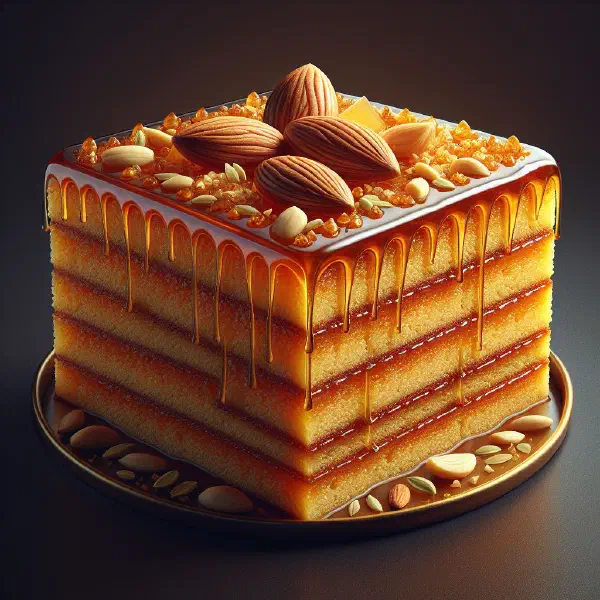
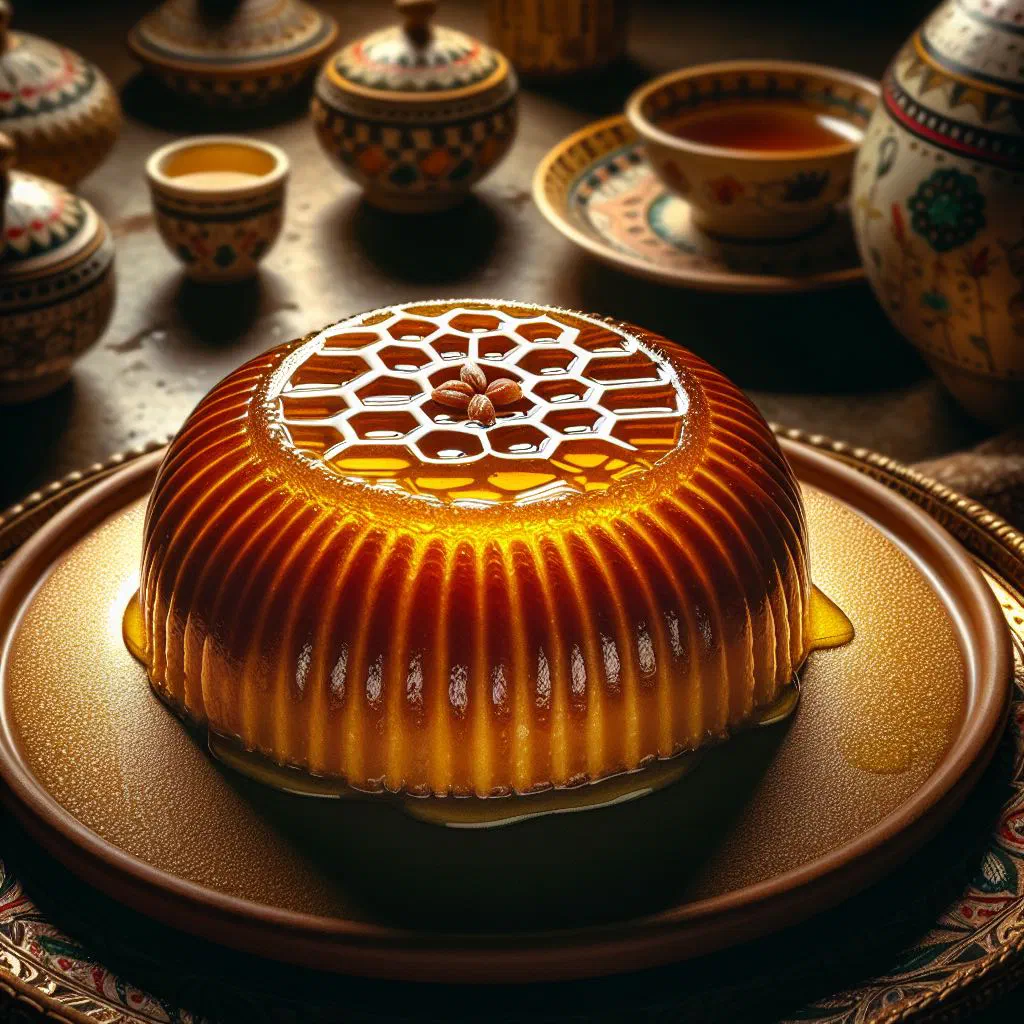
Discover Bint al-Sahn, the celebrated honey cake at the heart of Yemeni hospitality. Delicate sheets of dough are layered one over another, brushed with honey and warm spice, then baked until golden and glossy. Both sweet and comforting, it appears at weddings, feasts and family gatherings across Yemen, a dish that carries genuine cultural meaning. Bring a taste of this age-old tradition to your own table with a cake that is as beautiful to look at as it is to eat.
About Bint al-Sahn
Bint al-Sahn is a traditional Yemeni dish prepared in every home with care and devotion. It is a delicious honey cake built from thin sheets of dough layered with aromatic ingredients between them. Beyond its wonderful taste, the cake holds a symbolic place in Yemeni culture, where it is often served on special occasions. The interplay of sweet and gently savoury notes makes Bint al-Sahn a truly distinctive treat, much like the sweeter side of Yemeni cuisine enjoyed at festive tables.
Ingredients (serves 1–2)
- 300 g plain wheat flour
- 150 ml water
- 50 g butter
- 100 g honey
- 1 tsp dried yeast
- 1 tsp cinnamon
- A pinch of salt
- Optional: chopped nuts or raisins
Shopping for the ingredients
For Bint al-Sahn to succeed, it is worth buying your ingredients fresh. Most of them are available in a well-stocked supermarket or in a Turkish or Middle Eastern grocery. Pay particular attention to the quality of the honey, as it accounts for a large part of the flavour. For the flour, a fine plain wheat flour works best to achieve the right consistency in the dough.
Preparing the dish
Preparation for Bint al-Sahn begins with the dough. Combine the wheat flour with the dried yeast and a pinch of salt in a bowl. Warm the water gently, add it to the flour and follow with the softened butter. Knead the dough well until it is smooth and supple, then let it rest for about 30 minutes so the yeast can work its magic.
Step-by-step instructions
- After resting, roll the dough out thinly on a floured surface.
- Layer the dough into a greased baking dish, sprinkling each sheet with a little honey and cinnamon.
- Repeat the process with further sheets of dough until all the ingredients are used up.
- Bake in a preheated oven at 180°C for about 30–40 minutes, until golden brown.
- Once baked, finish the cake with extra honey and, if you like, a scattering of chopped nuts or raisins.
Gluten-free / lactose-free version
For a gluten-free version of Bint al-Sahn, replace the wheat flour with a blend of gluten-free flours. Make sure the other ingredients are gluten-free too, particularly the honey. If you would rather avoid lactose, swap the butter for plant-based margarine, which offers a similar taste and texture. These small adjustments make it possible to enjoy this traditional cake even with specific dietary needs.
Tips for vegans and vegetarians
Bint al-Sahn can be adapted for vegans just as easily. Instead of honey, use agave syrup or another plant-based sweetener, and replace the butter with coconut oil. It is worth choosing good-quality plant-based products so the finished cake still appeals to on flavour and the pleasure of eating it is never diminished.
More tips and tricks
To get the most out of your Bint al-Sahn, experiment with spices such as cardamom or nutmeg. You can also work dried fruit into the dough for extra depth of flavour. Check the cake regularly as it bakes to make sure it does not dry out. Another good tip is to let it rest for a few hours, or even overnight, so the aromas have time to settle and mingle.
Adapting the recipe to your taste
Everyone has their own preference when it comes to sweets. If you want to tailor Bint al-Sahn to your liking, adjust the sweetness by using less honey or agave syrup. Refine the cake with different nuts or dried fruits to suit your palate. This flexibility is part of what makes the dish special, giving you the freedom to be creative.
Ingredient substitutions
There are many ways to vary the ingredients in Bint al-Sahn. In place of ordinary wheat flour you might use almond or buckwheat flour to introduce alternative nutrients. If you are allergic to nuts, simply leave them out or use seeds such as sunflower seeds instead. Adapting the ingredients this way helps shape the dish around individual tastes or dietary requirements, a handy approach that also works for something creamier like a Date Halwa.
Drink pairing ideas
A range of drinks suits a traditional dish like Bint al-Sahn. A freshly brewed cup of Yemeni coffee, such as spiced Qishr Coffee, is an excellent choice to complement the cake’s sweet notes. A refreshing mint tea or a fruity hibiscus drink also harmonise beautifully. Choose a drink that rounds off the flavours after the meal for a thoroughly satisfying experience.
Serving and presentation ideas
To present Bint al-Sahn attractively, arrange the cake on a lovely, decorated plate. Garnish it with extra nuts or edible flowers for a celebratory look. Serving it in small portions, perhaps with a spoonful of cream or yoghurt on the side, adds a little extra. Remember that presentation is an important part of hospitality and adds to the joy of eating, whether the cake follows a rich Fattah or stands alone.
A bit of history
Bint al-Sahn has its roots in Yemeni culture and is frequently served as part of celebrations. The dish has a long history stretching back to antiquity. In Yemen it is regarded as a mark of hospitality and is often offered at weddings and special festivities. This traditionally prepared delicacy is a pleasure to eat and a part of the country’s cultural identity, cherished to this day alongside classics such as Hummus Bil Tahini.
More recipe ideas
Summary: Bint al-Sahn
All in all, Bint al-Sahn is a genuine piece of Yemeni culture. With its straightforward preparation and its many possibilities for adaptation and variation, it is ideal for any occasion. Give this cake a try and bring a touch of Yemen into your kitchen. Enjoy the blend of sweet aromas and the warm hospitality that this traditional dish embodies.