National Dish Yemen: Fattah (Recipe)
In this article
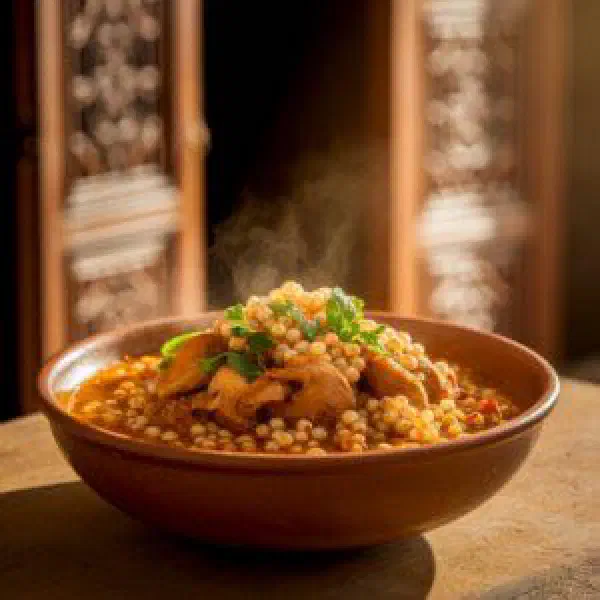
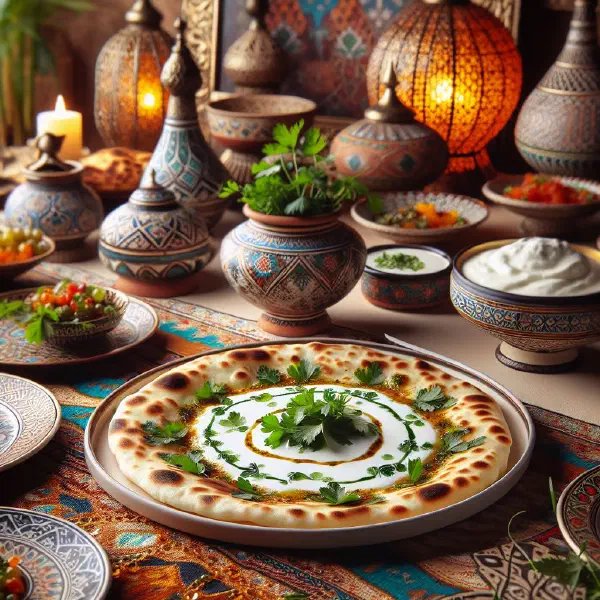
Discover Fattah, a soul-warming dish that sits at the heart of Yemeni hospitality. Layers of crisp flatbread soak up a rich, aromatic sauce built on meat or vegetables and a generous hand with the spices. It is the kind of food that turns a simple gathering into a celebration, brought to the table for weddings, festivals and family feasts alike. Bring a taste of Yemeni tradition into your own kitchen with this comforting, endlessly adaptable classic.
About Fattah
Fattah is a traditional Yemeni dish served in countless homes and on special occasions across the country. It brings together crisp flatbread and a rich, aromatic sauce that can be made with either meat or vegetables. A careful blend of traditional spices gives the dish its unmistakable flavour and makes it hard to resist. More than just a meal, Fattah is an expression of culture and hospitality in Yemen, most often enjoyed at sociable get-togethers alongside other beloved dishes of Yemeni cuisine.
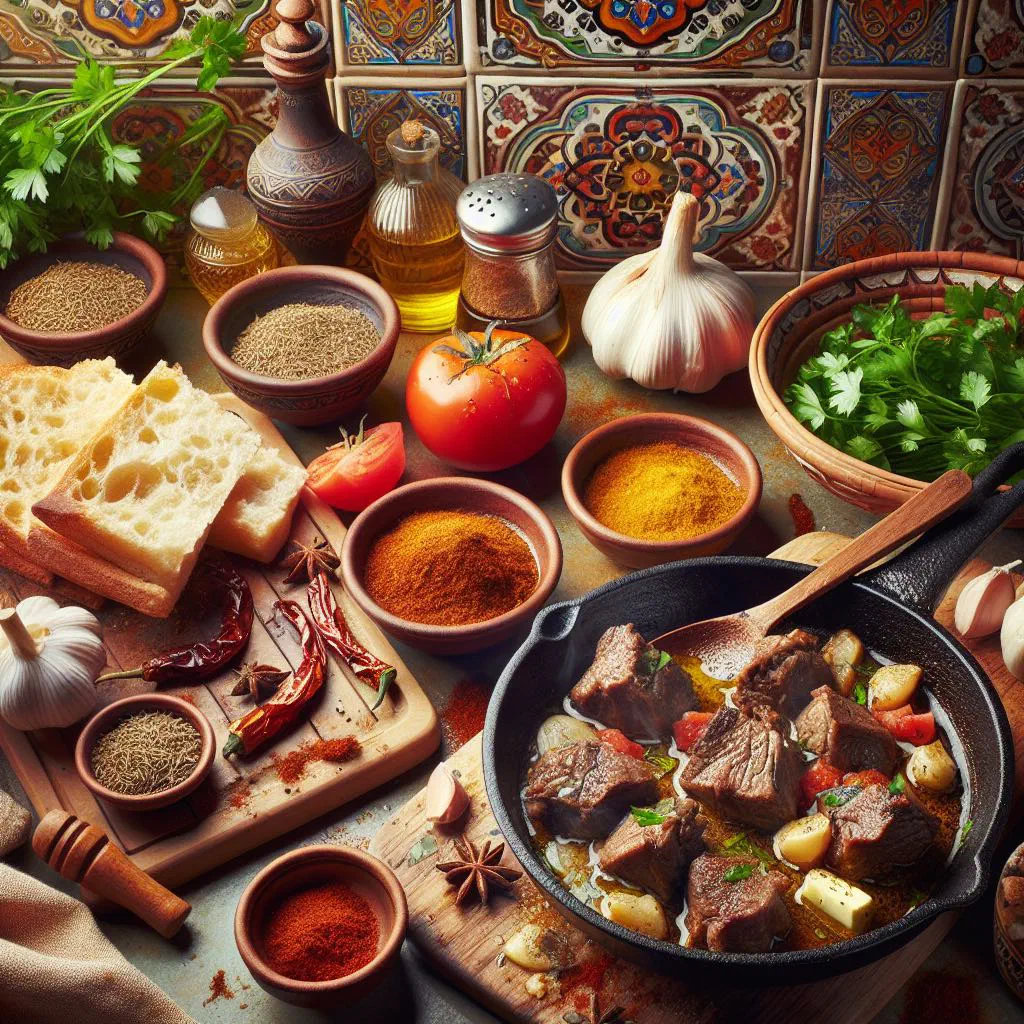
Ingredients (serves 1–2)
- 2 slices of flatbread
- 200 g beef or lamb (or a vegetarian alternative)
- 1 onion
- 2 cloves of garlic
- 1 tsp cumin
- 1 tsp coriander
- 1 tsp paprika
- 2 tbsp yoghurt (optional)
- Salt and pepper, to taste
Shopping for the ingredients
When shopping for Fattah, it is worth choosing fresh, good-quality produce. Look for fresh meat if you are planning a meat version, or opt for fresh vegetables and pulses for a vegetarian one. The spices are just as crucial to that distinctive flavour, so make sure you use good-quality spices. Visit local markets or shops that specialise in Middle Eastern cooking to track down the best ingredients.
Preparing the dish
Preparing Fattah takes a few simple but important steps that shape the final result. Begin by tearing or cutting the bread into bite-sized pieces and setting it aside. Cut the meat or vegetables into small cubes and finely chop the onion and garlic. This ensures even cooking and a harmonious flavour throughout the dish. Depending on your taste, you might also prepare a particular mix of vegetables to vary the aromas.
Step-by-step instructions
- Heat a little oil in a pan and sauté the onion and garlic until soft.
- Add the meat or vegetables and fry until cooked through.
- Scatter the spices over the mixture and stir well so everything is evenly seasoned.
- Pour in a little water to form a sauce and let it simmer gently.
- Prepare the bread by lightly toasting or warming it through.
- Layer the bread in a serving bowl and pour the meat or vegetable sauce over the top.
- Serve Fattah warm, garnished with yoghurt if you like.
Gluten-free / lactose-free version
For a gluten-free version of Fattah, use gluten-free bread in place of flatbread, or make your own gluten-free flatbread at home. Make sure all the other ingredients, especially the spices and sauces, are gluten-free too. For a lactose-free variation, swap the yoghurt for a soya or coconut alternative. That way, anyone with an intolerance can still enjoy this delicious dish.
Tips for vegans and vegetarians
Fattah lends itself beautifully to a vegan approach. Simply replace the meat with a selection of seasonal vegetables or tofu. Pulses such as chickpeas or lentils also make a nourishing, flavourful alternative. Be generous with the herbs and spices to intensify the flavour, and if you would like extra colour and crunch, scatter over some toasted nuts or seeds as a topping.
More tips and tricks
There are a few handy tips that make preparing Fattah easier. Get the bread ready in advance so it can be toasted or baked at just the right moment, leaving you free to focus on the sauce and let the aromas develop. It also helps to weigh out and prepare all your ingredients beforehand. This saves time and makes the whole process more enjoyable. Do not be afraid to experiment with the quantities of spices until you find your perfect blend.
Adapting the recipe to your taste
Fattah is a remarkably flexible dish that is easy to tailor to personal preference. If you like a bit more “bite” in the sauce, add a few chilli flakes. The consistency can be adjusted too, simply by using more or less water. You can also vary the vegetables depending on what is in season or what you enjoy most. With just a few small tweaks, you can make the dish exactly to your liking, much like the popular stew Saltah, which welcomes whatever vegetables you have to hand.
Ingredient substitutions
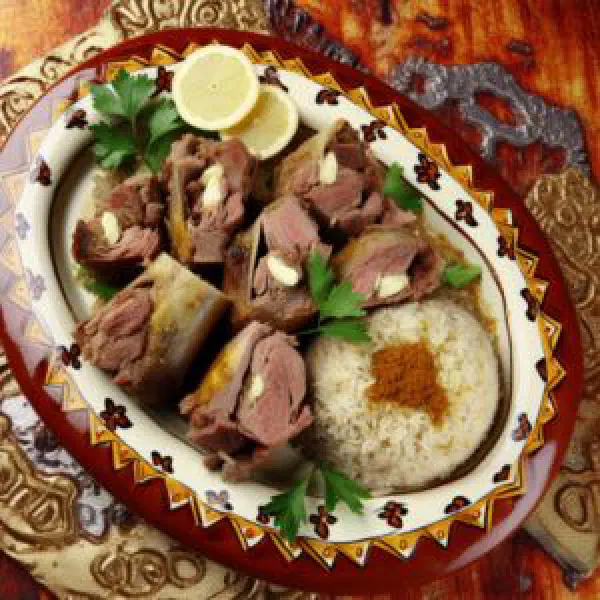
Clever substitutions let you vary Fattah however you please. Instead of beef, you could use chicken or fish, as you might in a hearty Mandi. For the vegetarian version, tofu works well alongside vegetables such as aubergine, courgette or peppers. The spices can be adjusted according to what is available and to your own taste; a pinch of cinnamon, for instance, could add an intriguing note. Experiment with different ingredients to create your own unique variations.
Drink pairing ideas
A range of drinks pairs wonderfully with Fattah and brings out its flavours. A classic Yemeni coffee or a traditional tea makes a lovely accompaniment and rounds off the meal. Alternatively, fruit juices such as pomegranate or lime are a refreshing choice. If you fancy something a little more complex, you could create cocktails spiced with Middle Eastern herbs and spices to complement the dish perfectly.
Serving and presentation ideas
Thoughtful presentation can greatly enhance the pleasure of Fattah. Serve it in a large, colourful bowl so the layers of bread and sauce are on show. A neat garnish of fresh herbs or a dollop of yoghurt adds colour and freshness, while aromatic spices such as sumac or paprika scattered over the top create a moment of pleasure. An inviting table set with traditional dishware makes the shared experience even more special, as it would for a celebratory platter of Haneeth.
A bit of history
Fattah has a long history in Yemen and is often served as a sign of hospitality and togetherness. The dish is frequently prepared for celebrations, weddings and special occasions. Historically, Fattah reflects the fusion of the many cultural influences that reached Yemen through trade and migration. The way it is prepared and served can vary from family to family, making every meal a unique experience and showcasing the wonderful diversity of Yemeni cooking.
More recipe ideas
Summary: Fattah
In short, Fattah is delicious and wonderfully versatile, with countless variations to explore. Fattah has something for every palate. Its rich array of spices and the freedom to adapt the ingredients give you plenty of room for individual flair and experimentation. Let Yemeni cuisine inspire you and enjoy this celebration of flavour and culture.