National Dish Yemen: Hareesah (Recipe)
In this article
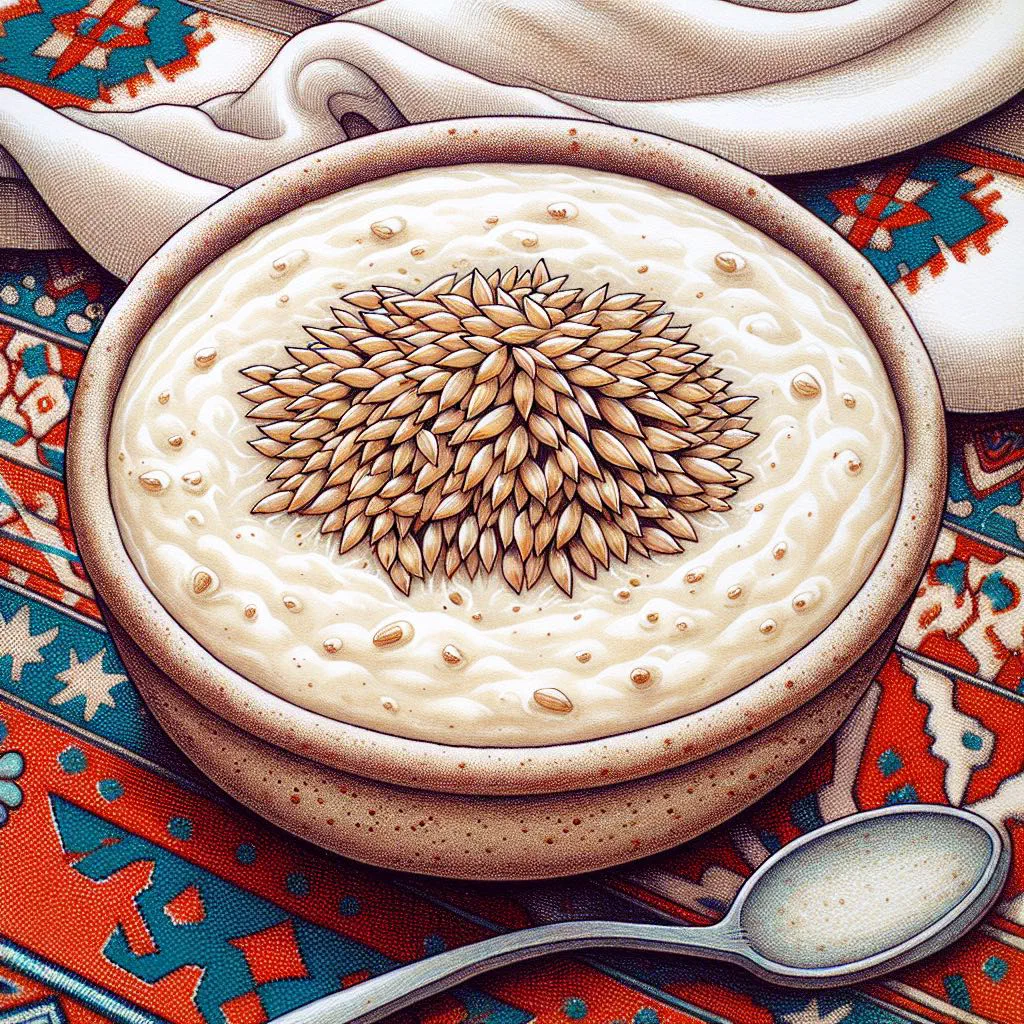
Discover Hareesah, a soul-warming porridge of tender wheat and slow-cooked meat that graces Yemeni tables at Ramadan and on special occasions alike. Made from the simplest of pantry staples, it is gently simmered for hours until the grains melt into a smooth, comforting mash. Rich, fragrant and deeply satisfying, this humble dish is the very definition of Yemeni comfort food, and it is far easier to make at home than you might expect.
About Hareesah
Hareesah is a traditional Yemeni dish that is loved across many Arab countries. It is a nourishing porridge made from wheat and either meat or pulses, cooked low and slow until wonderfully smooth. It is especially popular during the fasting month and at festive gatherings, when families come together to share it. The combination of the most basic ingredients with a warm, savoury aroma makes hareesah a true feel-good meal and a cherished part of Yemeni cuisine.
Ingredients (serves 1–2)
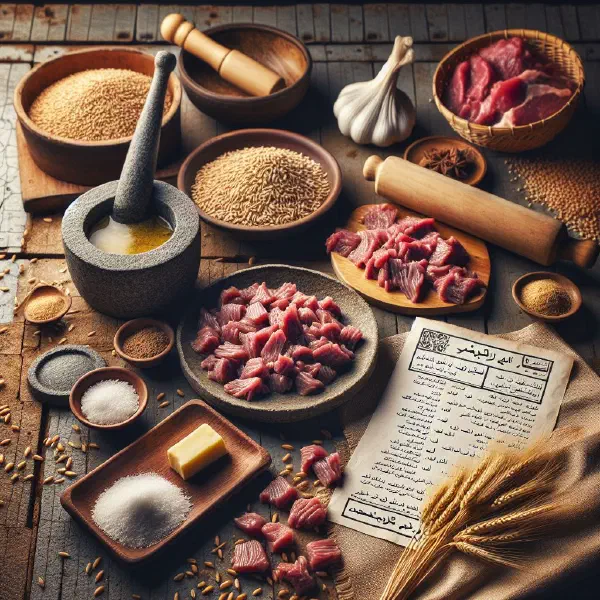
- 1 cup wheat (preferably fine semolina)
- 500 g chicken or lamb
- 1 onion, finely chopped
- 1 teaspoon salt
- 1/2 teaspoon pepper
- 1 teaspoon cinnamon
- Water, as needed
- Butter or ghee, to serve
Shopping for the ingredients
When shopping for hareesah, it is well worth choosing good-quality produce. The wheat in particular should be fresh and of a high grade to bring out the best aroma. It is also a good idea to buy fresh, nicely marbled meat, as this lends the dish extra flavour. Many of these ingredients can be found in a well-stocked supermarket or, better still, in a Middle Eastern grocery shop.
Preparing the dish
Preparing hareesah is relatively straightforward, but it does call for a little patience. First, the wheat should be soaked in water for at least two hours so it softens properly. The meat is cut into small pieces and browned with the onions until golden. Soaking the wheat is the key to achieving the smooth, creamy consistency the dish is famous for.
Step-by-step instructions
- Drain the soaked wheat and add it to a large pot along with the meat and the chopped onions.
- Pour in enough water to cover the ingredients well and bring to the boil.
- Add the salt, pepper and cinnamon, then reduce the heat.
- Cover with a lid and let it simmer gently over a low heat for around 2–3 hours, until the wheat breaks down.
- Serve with butter or ghee to taste, to intensify the flavour.
Gluten-free / lactose-free version
For anyone following a gluten-free or lactose-free diet, hareesah can be adapted with ease. In place of wheat, gluten-free alternatives such as cornmeal or rice work well. The butter can also be swapped for a plant-based fat to avoid any lactose. The same approach works nicely for a lighter Aseedah.
Tips for vegans and vegetarians
Hareesah offers plenty of room for adaptation for vegans and vegetarians too. Instead of meat, use vegetable stock and add pulses such as lentils to guarantee a balanced source of protein. Aromatic spices and fresh vegetables like carrots or peppers can be stirred in for extra flavour and nutrition. The result is a dish that is every bit as tasty and nourishing as the original.
More tips and tricks
A few tips and tricks can help you make the perfect hareesah. For an especially smooth texture, the cooked dish can be blended at the end with a stick blender. Be sure to add enough water to reach the consistency you want. Cooking it in a slow cooker is another easy way to deepen the flavour and make the meat meltingly tender. Experiment with different spices to find your own signature aroma.
Adapting the recipe to your taste
The recipe for hareesah is remarkably flexible and easy to tailor to your own preferences. Rich or light, there are endless ways to vary it. Try different cuts of meat, or adjust the spices to suit your palate, much as you would when making a hearty Tashreeb. In this way a traditional dish becomes a very personal creation.
Ingredient substitutions
If you do not have some of the ingredients to hand, there are plenty of alternatives you can turn to. Instead of chicken or lamb, beef or even tofu makes a good vegetarian option. The wheat can be replaced with quinoa or couscous for an interesting twist. Be creative and use whatever you have available to put together a delicious meal, in the same spirit as a comforting Fattah.
Drink pairing ideas
To round off a delicious bowl of hareesah, a range of drinks can support its flavours. Traditionally, Arabic teas or a light lemonade are served, both refreshing and easy-drinking. A sweet mint lemonade offers a lovely contrast to the savoury dish. For a special occasion, a glass of rosé wine could make an interesting accompaniment.
Serving and presentation ideas
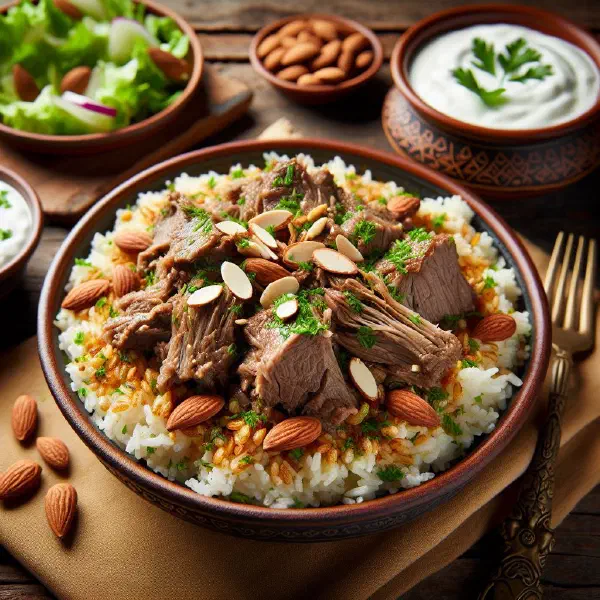
The presentation of hareesah matters just as much as the taste. Serve the dish in an attractive bowl and garnish with fresh herbs such as parsley or coriander. A few drops of olive oil or a little melted butter across the surface give the dish an appealing sheen. This looks inviting and lifts the whole eating experience.
A bit of history
Hareesah has a long and fascinating history that reaches back to antiquity. Originally developed within Arab culture, the dish quickly became popular across many other countries. It was often served at festive occasions and regarded as a mark of hospitality. To this day, hareesah remains a symbol of tradition and of the rich culinary heritage of Yemen, alongside classics such as Harees.
More recipe ideas
Summary: Hareesah
In short, Hareesah is a delicious and nourishing dish that has plenty to offer in both flavour and preparation. With its many possibilities for adaptation, it suits every taste and can be varied with ease. Vegan or meat-rich version, hareesah is sure to be a hit on your table. Enjoy the flavours of Yemen and discover the joy of cooking this traditional dish.