National Dish Yemen: Kabsa (Recipe)
In this article
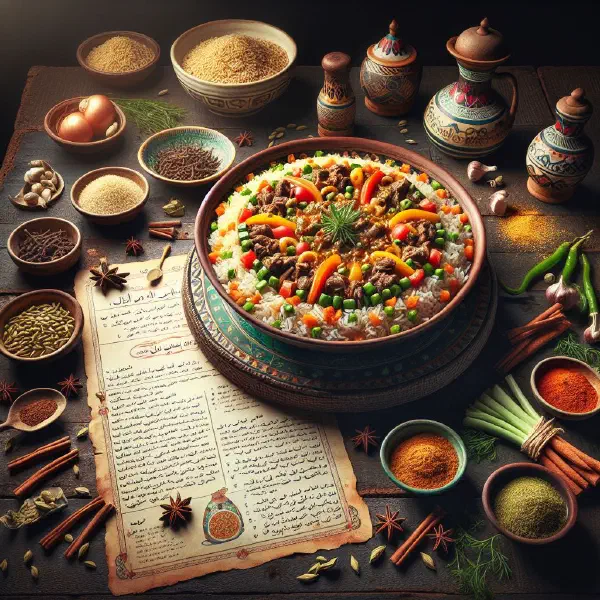
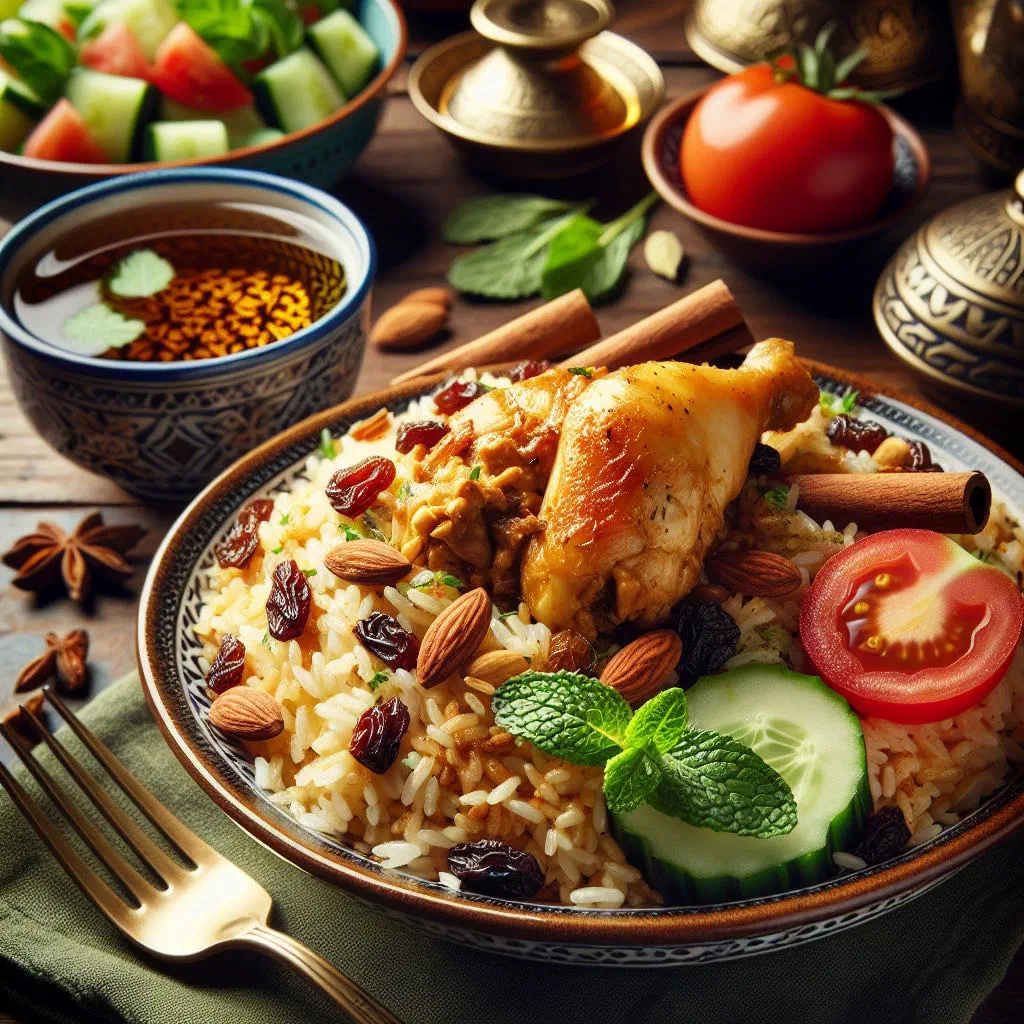
Discover Kabsa, one of Yemen’s most treasured dishes and a proud symbol of the country’s warm hospitality. This fragrant one-pot meal brings together fluffy spiced rice, tender meat and a generous blend of warming spices for a feast that appeals to every sense. Chicken or beef, kabsa turns an everyday dinner into a celebration and carries a genuine taste of Yemeni culture straight to your table.
About Kabsa
Kabsa is a traditional Yemeni dish celebrated for its rich aromas and its wonderful variety of ingredients. At its heart lies spiced rice, paired with succulent meat, often lamb, chicken or beef, and a fragrant mix of warming spices. It is more than a festive meal: kabsa is a lasting symbol of hospitality in Yemen. In many households, cooking and sharing a pot of kabsa is a regular and much-loved tradition that draws family and friends together.
Ingredients (serves 1–2)
- 200 g long-grain rice
- 250 g chicken or lamb
- 1 large onion, diced
- 2 cloves of garlic, chopped
- 2 tomatoes, diced
- 1–2 tablespoons kabsa spice mix
- 500 ml chicken or vegetable stock
- 2 tablespoons vegetable oil
- Salt to taste
- Pepper to taste
Shopping for the ingredients
To make kabsa, you will want fresh, good-quality ingredients. Visit your local market or a large supermarket to be sure of getting the best produce. Look in particular for spices such as turmeric, cumin and cinnamon, as these make up the special kabsa spice blend. Don’t forget the fresh vegetables too, since they add further depth to the flavours of your dish. Many of these spices, much like the hawayij used across Yemeni cooking, are also easy to order online.
Preparing the dish
Preparing kabsa involves a few important steps to make sure the flavours come through beautifully. Begin by washing the rice to remove the excess starch, then leave it to soak for at least 30 minutes. While the rice soaks, cut the meat into bite-sized pieces and get the onion and other vegetables ready. Good preparation makes the cooking process far simpler and more efficient.
Step-by-step instructions
- Heat the vegetable oil in a large pot and add the diced onion.
- Fry the onion until golden brown, then stir in the chopped garlic.
- Add the diced meat and brown it all over.
- Add the diced tomatoes and the kabsa spice mix, and let everything simmer for a few minutes.
- Pour in the stock and bring it all to the boil.
- Once the stock is boiling, add the soaked and drained rice, season with salt and pepper, and stir well.
- Cover the pot, reduce the heat and let the dish simmer for about 20 minutes, until the rice is tender.
- Serve the kabsa hot and enjoy it with a fresh salad or yoghurt.
Gluten-free / lactose-free version
Kabsa is naturally gluten-free and lactose-free, as long as you take care to avoid gluten-containing ingredients such as certain sauces or stocks. Use vegetable stock or a homemade broth instead to deepen the flavours. This makes the dish an ideal choice for anyone with a food intolerance. Just be sure to pick fresh, certified gluten-free products where needed.
Tips for vegans and vegetarians
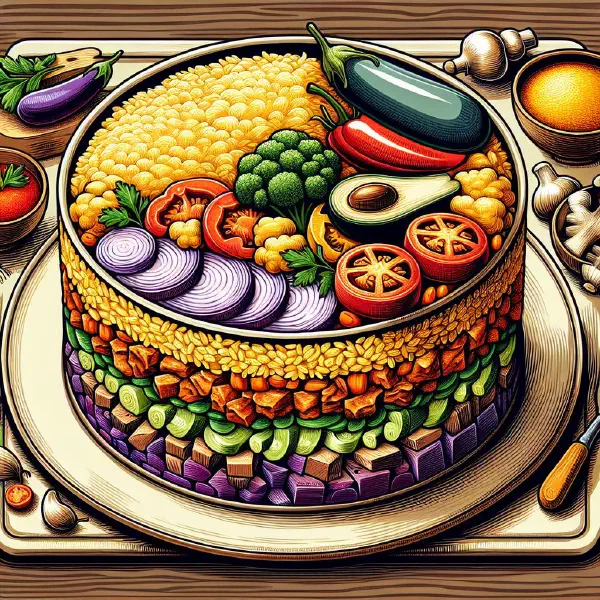
For a vegan or vegetarian version of kabsa, you can swap the meat for protein-rich ingredients such as chickpeas, tofu or extra vegetables. You might also enrich the dish with a range of seasonal vegetables like carrots, courgettes and aubergines. These alternatives give an equally tasty result while keeping the traditional base of the dish intact. Experiment with the spices to build up the flavour and create your very own vegan kabsa.
More tips and tricks
To cook the perfect kabsa, it is important to balance the flavours well. A well-judged blend of spices and the right ratio of liquid to rice are both crucial to success. Give yourself time to chop the ingredients fresh and let them cook gently. This really does make a big difference. The last thing you want is rice that boils over and turns mushy, so keep an eye on the heat and your stirring technique.
Adapting the recipe to your taste
One of the great things about making kabsa is how easily you can adapt it to personal preference. Use different kinds of meat, or make the dish entirely vegetarian. If you like a bit more heat, add some chilli or a pinch of black cumin. Let your creativity run free and experiment with the spices and side dishes to create your own unmistakable kabsa, in the same spirit as a hearty Chicken Zurbian.
Ingredient substitutions
If you don’t have every ingredient to hand, there is plenty of room to be creative when cooking kabsa. Instead of chicken or lamb, you could try a firmer fish such as salmon, much as you would in a Yemeni Sayadiyah. For vegetarians, vegetable stock and soya-based meat are excellent alternatives. You can even replace the rice with quinoa or couscous to explore different flavours and textures that add a new dimension to your meal.
Drink pairing ideas
A number of drinks pair wonderfully with kabsa. A refreshing mint tea or a good-quality pomegranate juice are perfect for rounding out the flavours. Yoghurt drinks such as a cooling Laban Drink also offer a lovely contrast to the warmth of the dish. If you prefer something non-alcoholic, consider a sparkling mineral water with lemon or lime peel to refresh the palate.
Serving and presentation ideas
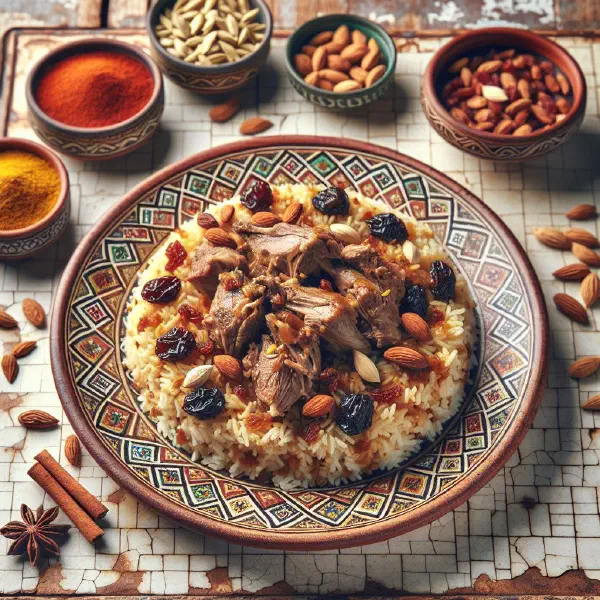
When it comes to presenting kabsa, there is plenty of room to be creative. Serve the dish with fresh herbs such as coriander or parsley to give it an appealing look. Use large, flat plates to show the food off properly and make sure the colours of the mixed ingredients really stand out. Remember to garnish your dish with toasted nuts or dried fruit such as raisins for that final flourish.
A bit of history
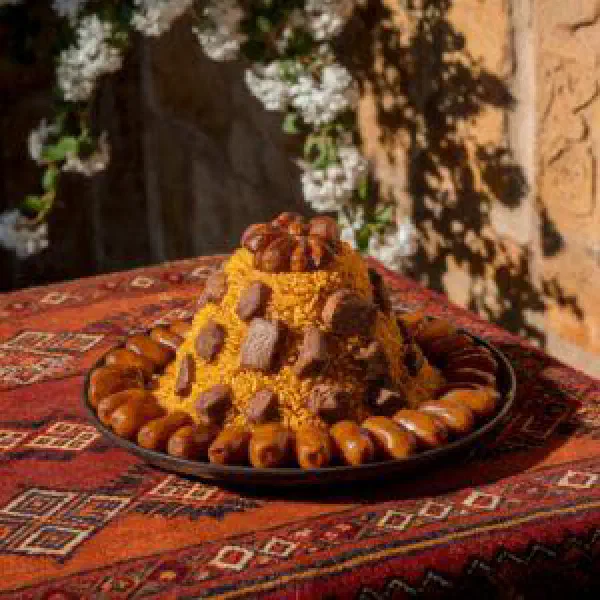
Kabsa is a piece of cultural heritage, rooted deep in Yemeni history. It is often served at festive occasions and family gatherings, underlining its importance as a symbol of community and hospitality. The dish has evolved over the years and varies according to region and the ingredients on hand. Today kabsa is enjoyed not only in Yemen but across much of the wider Middle East, and it remains a firm fixture of family meals within Yemeni cuisine.
More recipe ideas
Summary: Kabsa
In short, kabsa is a delicious and aromatic dish that brings together a wealth of flavours. It enriches Yemeni cuisine and offers endless room for adaptation to suit individual tastes. By using high-quality ingredients and spices, kabsa becomes an experience that is simply incomparable. Whether at a family dinner or a celebration, kabsa always brings joy and pleasure to every table.