National Dish Yemen: Malawah Bread (Recipe)
In this article
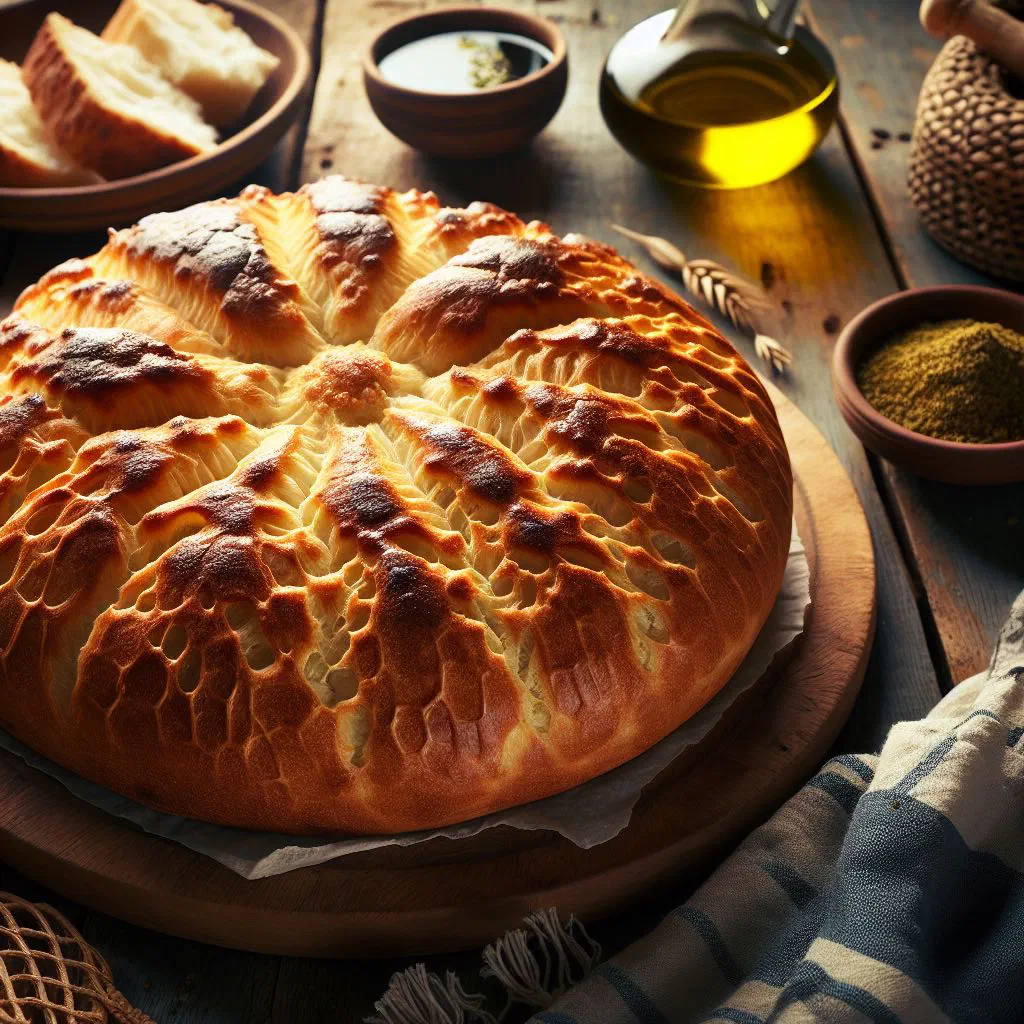
Meet Malawah Bread, a tender, buttery flatbread at the heart of the Yemeni table. Flaky and golden, it is the kind of bread that turns a simple meal into a moment of warmth and welcome. Serve it alongside hearty stews or keep things sweet with a generous drizzle of honey, either way, malawah delivers rich, comforting flavour with just a handful of everyday ingredients. Bring a taste of Yemeni hospitality straight to your own kitchen.
About Malawah Bread
Malawah Bread is a traditional Yemeni flatbread celebrated for its delicate, buttery texture. It is often served as an accompaniment to a range of savoury dishes, or simply enjoyed on its own with a little honey. Making malawah is straightforward and carries a piece of Yemen’s cultural identity. This bread is far more than a foodstuff. It is a symbol of hospitality and community in Yemeni culture, brought to the table time and again to share with family and friends.
Ingredients (serves 1–2)
- 250 g wheat flour
- 150 ml water
- 50 g butter, melted
- 1 tsp salt
- Optional: honey, to serve
Shopping for the ingredients
To make malawah you need only a few basic ingredients, all easy to come by. Wheat flour, butter and salt are the main components and can be found in most supermarkets. If you are hunting for particular Yemeni ingredients, it is worth a trip to an Asian or Middle Eastern grocery. And don’t forget to pick up some fresh honey if you fancy enjoying the bread as a sweet treat.
Preparing the dish
Preparing malawah is simple and takes only a few steps. Begin by measuring out your ingredients and weighing the flour and butter. Because malawah is such an uncomplicated bread, it is important to work the ingredients in the right order. Add the water gradually to achieve a smooth, supple dough consistency that rolls out beautifully.
Step-by-step instructions
- In a large bowl, combine the wheat flour and the salt.
- Slowly add the water, mixing well until a dough begins to form.
- Knead the dough until soft and smooth, about 5–10 minutes.
- Cover the dough and leave it to rest for 30 minutes.
- Once rested, divide the dough into small portions and roll each one out into a thin round.
- Add a little melted butter to a hot pan and fry each round until golden brown on both sides.
- When all the rounds are done, serve them warm, perhaps with honey on the side.
Gluten-free / lactose-free version
For a gluten-free version of malawah, you can use gluten-free flour, widely available in health-food shops and supermarkets. Just make sure all your other ingredients are free from gluten too. For a lactose-free preparation, swap the butter for plant-based oil or a lactose-free margarine. These small adjustments mean that anyone with particular dietary needs can still enjoy delicious malawah.
Tips for vegans and vegetarians
To make malawah vegan, simply replace the butter with plant-based oil or margarine. These alternatives keep the bread every bit as fragrant and delicious, without any animal products. You can also work different spices or herbs into the dough for extra flavour. Vegans might serve the bread with fresh fruit or nut butter to create a nourishing, tasty meal.
More tips and tricks
A few simple tricks will help make your malawah especially good. Be sure to preheat the pan well before adding the flatbread so it browns evenly. Experiment with different fillings or flavourings, such as garlic or herbs, to add a personal touch. If you want to keep the bread, store it in an airtight container in the fridge and warm it through again as needed to keep it fresh and tasty. It makes a lovely partner to a bowl of Shorba on a cold day.
Adapting the recipe to your taste
There are plenty of ways to adapt the malawah recipe to suit your palate. Work in seeds such as sesame or poppy for extra crunch and nutrients, for example. For a sweeter version, add sugar or cinnamon to the dough. Let your creativity lead the way and experiment with different ingredients to develop your own perfect malawah, much as Yemeni bakers do with Rashoosh and other beloved breads.
Ingredient substitutions
If certain ingredients are not to hand, there are often good alternatives. In place of wheat flour you can use spelt flour, which is a touch more nutritious. Instead of butter, coconut oil lends the bread a distinctive flavour. Swapping the salt for herb salt or vegetable stock can give malawah extra depth and make it even more interesting.
Drink pairing ideas
Malawah can be served in many ways, and the right drink rounds off the experience. A traditional Yemeni coffee pairs wonderfully with this bread and heightens its flavours. Try a cup of Qishr Coffee for something authentic. A fresh mint tea is another excellent choice, adding a refreshing note. If you prefer something cooler, a simple lemon water or a fruit smoothie complements malawah nicely.
Serving and presentation ideas
Presentation can lift the whole malawah experience. Serve the bread on a large wooden board, stacking the flatbreads on top of one another for a rustic look. Garnish the platter with fresh herbs or a few fruit dips to add a splash of colour. A generous plate of honey in the centre makes it easy for guests to dip their bread and creates a warm, inviting atmosphere.
A bit of history
Malawah has its roots in traditional Yemeni cuisine and has been prepared for centuries. It is closely bound up with Yemeni culture, where the sharing of food plays a central role. Flatbreads like malawah were originally used as a staple that brought families together. The bread has seen many variations over the years, yet it remains an indispensable part of the Yemeni table and is still made daily in many households, a proud example of Yemeni cuisine.
More recipe ideas
Summary: Malawah Bread
Malawah is a delicious, traditional Yemeni flatbread that is simple to make and wonderfully versatile. It provides the perfect base for many hearty dishes or can be enjoyed on its own with a little honey as a snack. With the tips and variations above, you can adapt malawah entirely to your own taste. Let Yemeni cooking inspire you and enjoy this special treat within your own four walls.