National Dish Yemen: Sabaya (Recipe)
In this article
Discover Sabaya, one of Yemen’s most cherished savoury treats. These tender stuffed pastries wrap a golden, crisp exterior around a warmly spiced filling, and every bite tells a different story of the country’s rich culinary heritage. Vegetables or pulses, they make wonderful comfort food for a family gathering or a relaxed weekend at home. Bring a taste of Yemen’s ancient souks straight to your own kitchen.
About Sabaya
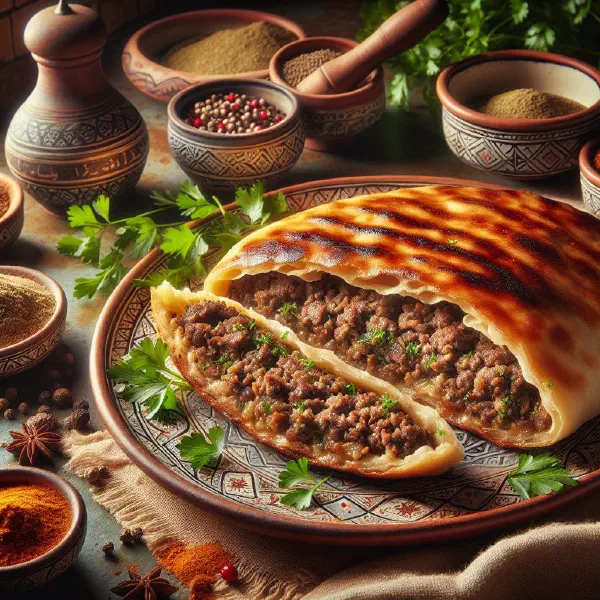
Sabaya is a traditional Yemeni dish that appeals to the palate while remaining deeply rooted in the culture of Yemen. These delicate dough pockets strike a perfect balance between flavour and texture. They can be filled with a hearty mixture of meat, vegetables or pulses, which is exactly what makes them so versatile. Every mouthful tastes a little different and speaks of the abundant aromas of Yemeni cooking, enjoyed both as a casual street snack and at festive occasions.
Ingredients (serves 1–2)
- 300 g plain flour
- 100 ml water
- 1 tsp salt
- 200 g meat (beef or chicken)
- 1 onion, finely chopped
- Spices (cumin, cinnamon, cardamom)
- Oil for frying
Shopping for the ingredients
When shopping for Sabaya, it is well worth seeking out fresh produce. Look for good-quality local meat and choose organic vegetables to bring out the best flavour. The spices are crucial to an authentic taste, so it pays to invest in high-quality ones. You may also want to visit a Middle Eastern grocery to track down more authentic ingredients, much as you would when making a proper Zurbian.
Preparing the dish
Preparing the Sabaya is the first step towards a truly delicious result. Begin with the dough, combining the flour with water and salt until you have a smooth mass. Let the dough rest for around 30 minutes so it becomes wonderfully elastic. Meanwhile, you can get on with the filling by browning the meat and mixing it with vegetables and spices until fragrant.
Step-by-step instructions
- Prepare the dough and leave it to rest.
- Fry the filling of meat, onion and spices until browned.
- Roll out the dough and cut out circular pieces.
- Spoon the filling onto the dough pieces and seal them.
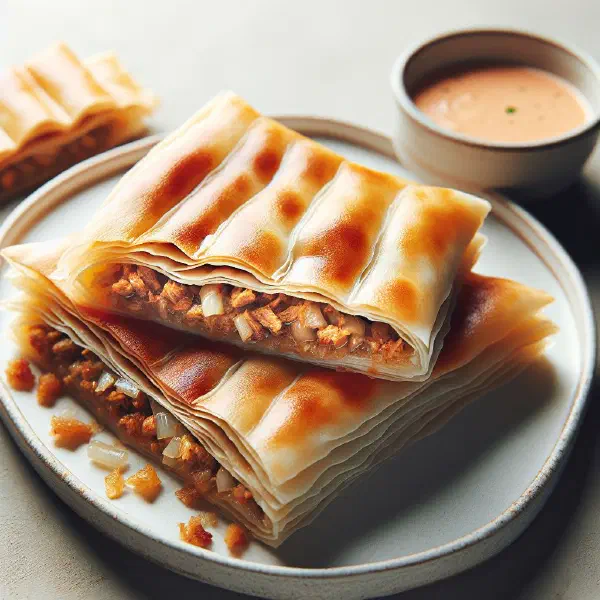
- Fry the pastries in hot oil until golden brown.
- Serve with an aromatic sauce.
Gluten-free / lactose-free version
For a gluten-free version of Sabaya, you can use gluten-free flour, which is usually available in health-food shops. Take care that all the other ingredients are gluten-free too. If you would rather avoid lactose, simply reach for plant-based alternatives to any dairy without compromising the flavour. These small adjustments make it easy to tailor the dish to every dietary need.
Tips for vegans and vegetarians
Vegan and vegetarian versions of Sabaya are simple to prepare and every bit as delicious. Replace the meat with a mixture of fresh vegetables, pulses or tofu. For an extra flavour boost, add different spices or a splash of vegetable stock. The result is a dish that satisfies both on taste and on nutrition, in the same spirit as a hearty bowl of Shorbat Adas.
More tips and tricks
To get the best out of Sabaya, it helps to have all your ingredients prepared and within easy reach before you start. Make sure the dough has the right consistency to avoid brittle, cracking pastries. It can also help to chill the filled pastries before frying so they hold their shape neatly. These little touches make all the difference in achieving the perfect result.
Adapting the recipe to your taste
The recipe for Sabaya is easily adapted to personal preference. Experiment with different fillings to uncover new flavour combinations. Add hot spices for a spicier kick, for instance, or opt for sweet fillings for a special variation. Adjustments like these keep the dish feeling fresh and exciting every time you make it.
Ingredient substitutions
If you do not have every ingredient for Sabaya to hand, there are plenty of alternatives to fall back on. Instead of beef you might use chicken, lamb or even plant-based proteins. For the filling you can also switch to reduced-fat or plant-based oils without significantly altering the taste. This flexibility with ingredients opens the door to creative variations, as it does with a comforting Tashreeb.
Drink pairing ideas
Several drinks pair beautifully with Sabaya to round off the experience. A cool glass of lemonade or a freshly brewed mint tea goes wonderfully with the dish. Traditional Yemeni drinks, such as Shai Karak, a mild spiced black tea, can also turn the meal into a truly authentic experience. You might even reach for a cup of aromatic Qishr Coffee. These drinks encourage a harmonious blend of flavours at the table.
Serving and presentation ideas
An appealing presentation of Sabaya can lift the whole dining experience. Serve the pastries on a colourful platter and garnish them with fresh herbs or pickled vegetables. Set out a small bowl for the sauce, too, to show the dish off at its best. An arrangement like this makes any meal feel special and invites everyone to tuck in.
A bit of history
Sabaya has a long history that is closely bound up with the culinary traditions of Yemen. Born in the ancient souks and traditional kitchens, it reflects the heritage of Yemeni culture. It is not merely a dish but a symbol of hospitality and community, often served at celebrations and large gatherings. Through Sabaya you can experience the history and diversity of Yemeni cuisine.
More recipe ideas
Summary: Sabaya
In summary, Sabaya is an exceptional dish that impresses in both preparation and flavour. With its versatile filling and the scope to vary the recipe, it is a superb choice for any occasion. The combination of texture, aroma and cultural depth makes Sabaya an indispensable part of Yemeni cuisine. Rediscover your connection to this time-honoured dish and enjoy the wonderful variety of Yemen’s world of flavours.