National Dish Yemen: Sakhana (Recipe)
In this article
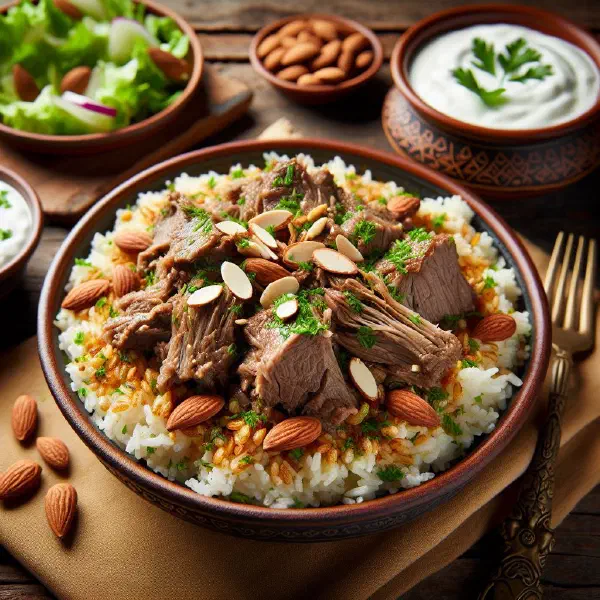
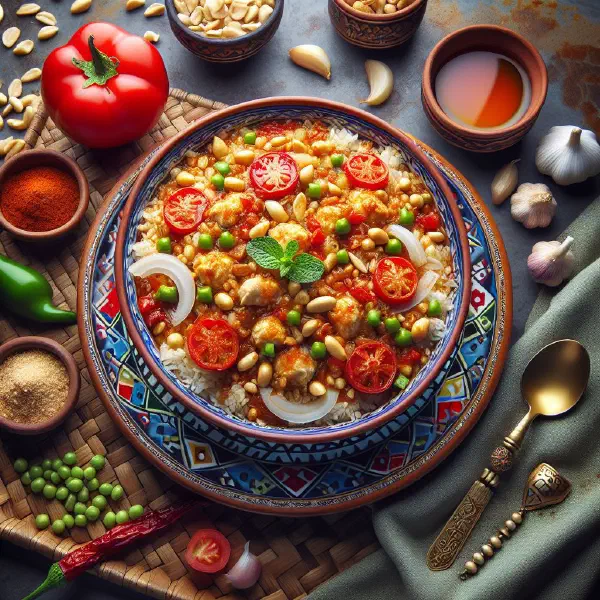
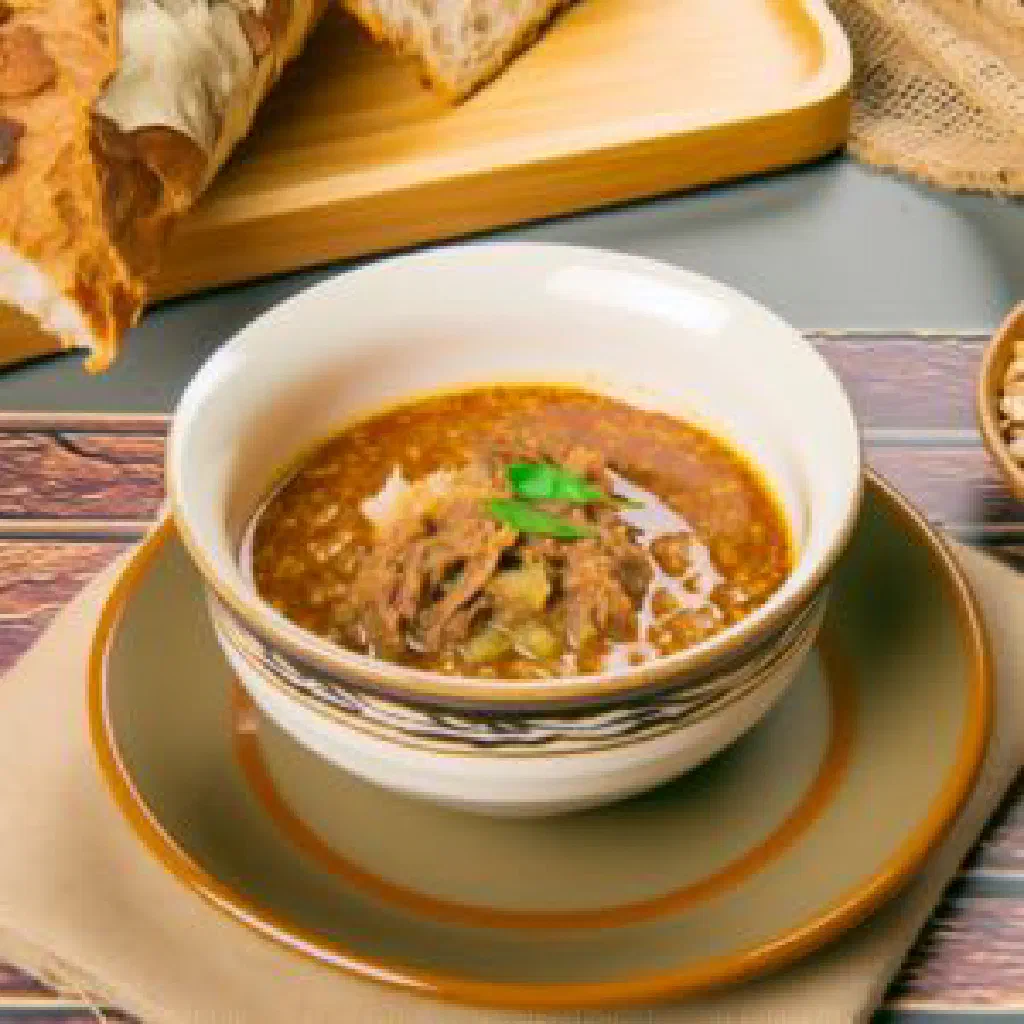
Discover Sakhana, a warming and deeply flavoured dish from the heart of Yemeni cooking. This traditional recipe brings together tender pieces of meat, a fragrant blend of spices and fresh vegetables, all gently simmered into a hearty stew. Steeped in the culture and hospitality of Yemen, it makes a wonderful centrepiece for a family meal. Bring the rich aromas of the Arabian Peninsula straight to your own kitchen.
About Sakhana
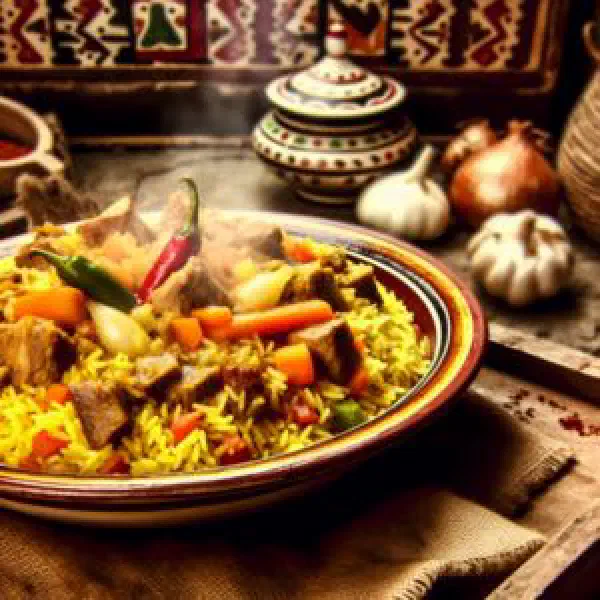
Sakhana is a traditional dish from Yemen, celebrated for its rich flavours and its careful, unhurried preparation. This national dish combines tender pieces of meat, usually lamb or chicken, with a wide range of aromatic spices that give it its distinctive character. Freshly harvested vegetables round the dish off and turn it into a proper feast. The blend of taste and cultural heritage makes Sakhana a must for anyone who loves the food of the Middle East, and a fine example of Yemeni cuisine.
Ingredients (serves 1–2)
- 300 g lamb or chicken, cut into pieces
- 2 onions, diced
- 2 tomatoes, diced
- 1 pepper, diced
- 3 cloves garlic, chopped
- 1 teaspoon cumin
- 1 teaspoon turmeric
- Salt and pepper, to taste
- 2 tablespoons olive oil
- 500 ml water or stock
- 300 g rice (basmati or jasmine)
- Fresh herbs, to garnish (e.g. coriander or parsley)
Shopping for the ingredients
When shopping for the ingredients for sakhana, it is worth paying attention to the quality and freshness of what you buy. Visit your local market or a shop that specialises in Middle Eastern food. Take particular care over the fresh vegetables and spices, as these are crucial to the flavour of the dish. The choice of meat matters too; opt for organic or free-range for a better aroma and higher quality.
Preparing the dish
Before you start cooking sakhana, it is important to get all the necessary ingredients ready. Cut the meat into evenly sized pieces so that it cooks through at the same rate. Dice the vegetables and chop the garlic to keep the whole process quick and straightforward. Waiting for the right moment to bring the ingredients together is what makes the difference to the final result, so good preparation really is the key to a successful dish.
Step-by-step instructions
- Heat the olive oil in a large pan and sauté the diced onions until translucent.
- Add the meat and brown until it takes on a little colour.
- Stir in the garlic, cumin, turmeric, salt and pepper and cook for a further 2 to 3 minutes.
- Add the diced tomatoes and pepper, stir well and let it simmer for 5 minutes.
- Pour in the water or stock, bring to the boil, then reduce the heat and let the dish simmer for 30–40 minutes.
- Cook the rice in a separate pan.
- Arrange the sakhana as you like and garnish with fresh herbs.
Gluten-free / lactose-free version
Sakhana is naturally gluten-free and lactose-free, as long as you take care to use gluten-free rice. Most of the ingredients are naturally free from gluten and generally cause no trouble with digestion. If you do have food intolerances, however, it is important to make sure that every product you use meets those requirements. When cooking, be careful not to reach for anything that contains hidden gluten or lactose.
Tips for vegans and vegetarians
Sakhana is easy to adapt for vegans and vegetarians. Instead of meat you can use tofu or chickpeas to keep the dish high in protein. Vegetables such as courgette, aubergine or carrot lend the same hearty flavour and a lovely texture. These alternatives preserve the authentic taste and show that sakhana can be enjoyed just as much in a plant-based version.
More tips and tricks
When making sakhana, a few simple tips and tricks can make the flavour even more intense. Let the dish rest for a while after cooking so the aromas have time to develop fully. Add a pinch of sugar while frying the onions to bring out their sweetness. Experiment with the spices to find the balance that is perfect for you. Small adjustments like these can make all the difference.
Adapting the recipe to your taste
Sakhana is easy to tailor to personal preference. If you like it hotter, add a little chilli or some hot pepper. The choice of vegetables can vary too, depending on what is in season or simply what you enjoy most. The flexibility of the recipe makes it a great choice for creative cooks, much like the endlessly variable Shakshouka.
Ingredient substitutions
Should some ingredients prove tricky to find, there are several alternatives for sakhana. Instead of lamb or chicken you could use turkey or beef. Vegan versions might include chickpeas or lentils, which also offer a rich and nourishing flavour, as they do in a comforting bowl of Shorbat Adas. Rice can be swapped for quinoa or bulgur, giving the dish even more variety. Substitutions like these make sure everyone can enjoy sakhana without missing out on any depth of flavour.
Drink pairing ideas
A few drinks go especially well with Sakhana. A refreshing mint tea or a fruity pomegranate juice complements the flavours perfectly. A lightly chilled, dry white beer can also round the meal off beautifully. If you are after non-alcoholic options, sparkling lemonades are ideal. These drinks refresh and harmonise wonderfully with the hearty notes of the dish.
Serving and presentation ideas
The presentation of Sakhana can be a real highlight of the meal. Serve the dish in a large bowl to keep things sociable, and garnish it with fresh herbs. Use decorative crockery to bring out the colours of the ingredients. Choose an appealing table runner or matching napkins to set off the whole dining experience. Details like these help show the traditional flair of the dish to its best advantage.
A bit of history
Sakhana has a long history in Yemen and is woven into the country’s culinary tradition. It was originally prepared by nomadic tribes who passed their recipes down through the generations. The blend of spices and local ingredients reflects the culture and the resources available across the region. This dish is a symbol of hospitality and community in Yemen, sharing that spirit with hearty specialities like Mandi and Saltah.
More recipe ideas
- Tashreeb — bread layered with meat and broth
- Yemeni Lamb Soup — slow-cooked lamb in a spiced broth
- Shorbat Adas — lentil soup with spices
- Tabbouleh — a refreshing salad of parsley and bulgur
- Zurbian Rice With Lamb — fragrant spiced rice with tender lamb
Summary: Sakhana
Sakhana is more than just a dish. It is a piece of Yemeni culture that appeals to with its aromas and ingredients. It is simple to prepare and open to countless variations, so there is a version to suit every palate. Sakhana is sure to make any food lover’s heart beat a little faster. Dive into the world of Yemeni cooking and enjoy this delicious feast.