National Dish Yemen: Shafah (Recipe)
In this article
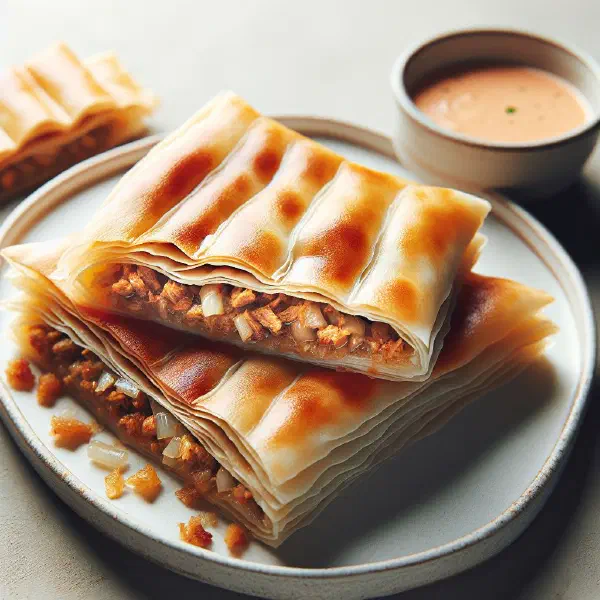
Meet Shafah, a much-loved stuffed flatbread from Yemen that brings people together around the table. A soft, hand-rolled dough is folded around a fragrant filling of spiced minced meat, then pan-fried until golden and crisp. Warm with cumin, coriander and paprika, it works equally well as a hearty main course or a satisfying snack. Bring the generous, welcoming spirit of a Yemeni kitchen straight to your own home.
About Shafah
Shafah is a traditional Yemeni dish, celebrated for its delicious fillings and its use of aromatic spices. At its heart is a savoury stuffed flatbread that can be enjoyed both as a main course and as a snack. The variety of fillings makes it easy to adapt the dish to individual tastes and preferences. Shafah is often served at social gatherings or festive occasions, bringing family and friends together over good food.
Ingredients (serves 1–2)
- 250 g plain wheat flour
- 150 ml water
- 1 teaspoon salt
- 200 g minced meat (beef or lamb)
- 1 onion, finely chopped
- 2 garlic cloves, crushed
- Spices: cumin, coriander, paprika, pepper
- Fresh herbs: coriander or parsley
- Oil, for frying
Shopping for the ingredients
To begin, gather all the ingredients for shafah at a well-stocked supermarket or an Asian grocery. The spices in particular are crucial to an authentic flavour, so it is worth choosing fresh spices or good-quality ground versions. Look for lean minced meat to keep the dish from becoming too greasy. Fresh herbs are an equally important part of the recipe and give the shafah a lively, bright note.
Preparing the dish
Before you start cooking shafah, it helps to prepare all the ingredients properly. That means chopping the vegetables, such as the onion and garlic, and having them ready to go. It is also sensible to measure out the spices in advance so everything is within reach as you cook. A little good preparation makes the whole process more efficient and lets you enjoy the cooking without feeling rushed.
Step-by-step instructions
- Mix the flour, water and salt in a bowl until you have a smooth, even dough.
- Let the dough rest for 30 minutes so it can relax and become easier to work with.
- Meanwhile, brown the minced meat in a pan and add the chopped onion and garlic.
- Season with the spices and stir through the fresh herbs.
- Roll the dough out on a floured surface and spread the meat filling over it.
- Fold the dough over the filling and press the edges together firmly to seal.
- Fry the stuffed flatbread in a pan with a little oil until golden brown on both sides.
Gluten-free / lactose-free version
For a gluten-free version of shafah, you can use gluten-free flour. There are plenty of alternatives, such as rice or almond flour, that work well for the dough. It is also easy to choose lactose-free options for the filling by reaching for lactose-free cheese or yoghurt. With these simple changes, people with food intolerances can enjoy shafah too.
Tips for vegans and vegetarians
Vegans and vegetarians can adapt shafah with ease by replacing the minced meat with plant-based alternatives such as tofu or lentils. Soya mince is a great option that keeps the hearty character of the dish intact. You can also use a range of vegetables, spinach, mushrooms or aubergine, to keep the filling varied and interesting. Remember to season generously here too so you enjoy the full flavour. A vegetable-forward filling has much in common with a colourful Zaalouk.
More tips and tricks
To make the perfect shafah, it is important to heat the pan thoroughly before adding the flatbread, as this gives it a lovely crisp finish. Another tip is to knead the dough well, since this improves the texture of the bread. Leave enough space between the flatbreads in the pan so they cook evenly. Experiment with different fillings, too, to create your own signature version, much as you might with a filled Mutabbaq.
Adapting the recipe to your taste
The beauty of shafah is that it is highly adaptable. You can shape the filling entirely to your own taste and let your creativity run free. Like it fiery? Add chilli or cayenne pepper. Love it fresh? Add a little more herbs. The garlic, too, can be dialled up or down as you please. Adjust the recipe so it suits your own culinary preferences and delivers a personal flavour experience.
Ingredient substitutions
If you are not in the mood for minced meat, you can easily swap it for vegetarian options such as chickpeas or beans. The choice of flour can vary too, using wholemeal flour, for example, boosts the fibre content. If you prefer a milder result, reduce the amount of spice or choose gentler varieties. With a few simple changes you can tailor shafah to your personal taste, just as you would a hearty Saltah.
Drink pairing ideas
Shafah pairs wonderfully with a range of drinks. A cup of qishr, a Yemeni brew made with fresh spices, harmonises perfectly with the aromas of the dish. Try it alongside a warming Qishr Coffee. Alternatively, serve fruity lemonades or freshly pressed juices. If you prefer something alcoholic, a light white wine sits nicely with the spiced notes of shafah.
Serving and presentation ideas
The presentation of shafah can lift the whole meal. Serve the flatbreads freshly fried on a large platter, garnished with fresh herbs and a selection of dips such as yoghurt or salsa. Arranging them in small portions on individual plates looks very inviting too. Add a few colourful vegetable sticks on the side to make the dish more visually appealing. Attention to detail can greatly enhance the enjoyment.
A bit of history
Shafah has its roots in the rich culinary tradition of Yemen, shaped by many cultures and influences. This dish is a fine example of the Yemeni knack for turning simple ingredients into delicious, nourishing food. It is often served on festive occasions and is a symbol of hospitality. The story of shafah tells us a great deal about the cultural identity and conviviality of the Yemeni people, and about the wider world of Yemeni cuisine.
More recipe ideas
Summary: Shafah
Shafah is a delicious and versatile dish that reflects the flavours of Yemen. With simple but flavoursome ingredients, the recipe can be adapted however you like. Vegetarian or watching out for gluten, you can shape shafah entirely to your own preferences. Its preparation and its ingredients make it an ideal choice for festive occasions and social gatherings. Let the variety of Yemeni cooking inspire you and give this special recipe a try.