National Dish Yemen: Yemeni Bread (Recipe)
In this article
Discover Yemeni Bread, a light and rustic flatbread that sits at the very heart of Yemeni hospitality. Simple to make with just a handful of storecupboard ingredients, this airy, crisp bread is the ideal partner for hearty stews, warming dips and everything in between. Bring the warm, welcoming flavours of Yemen to your own kitchen and enjoy bread the way it has been baked for generations.
About Yemeni Bread
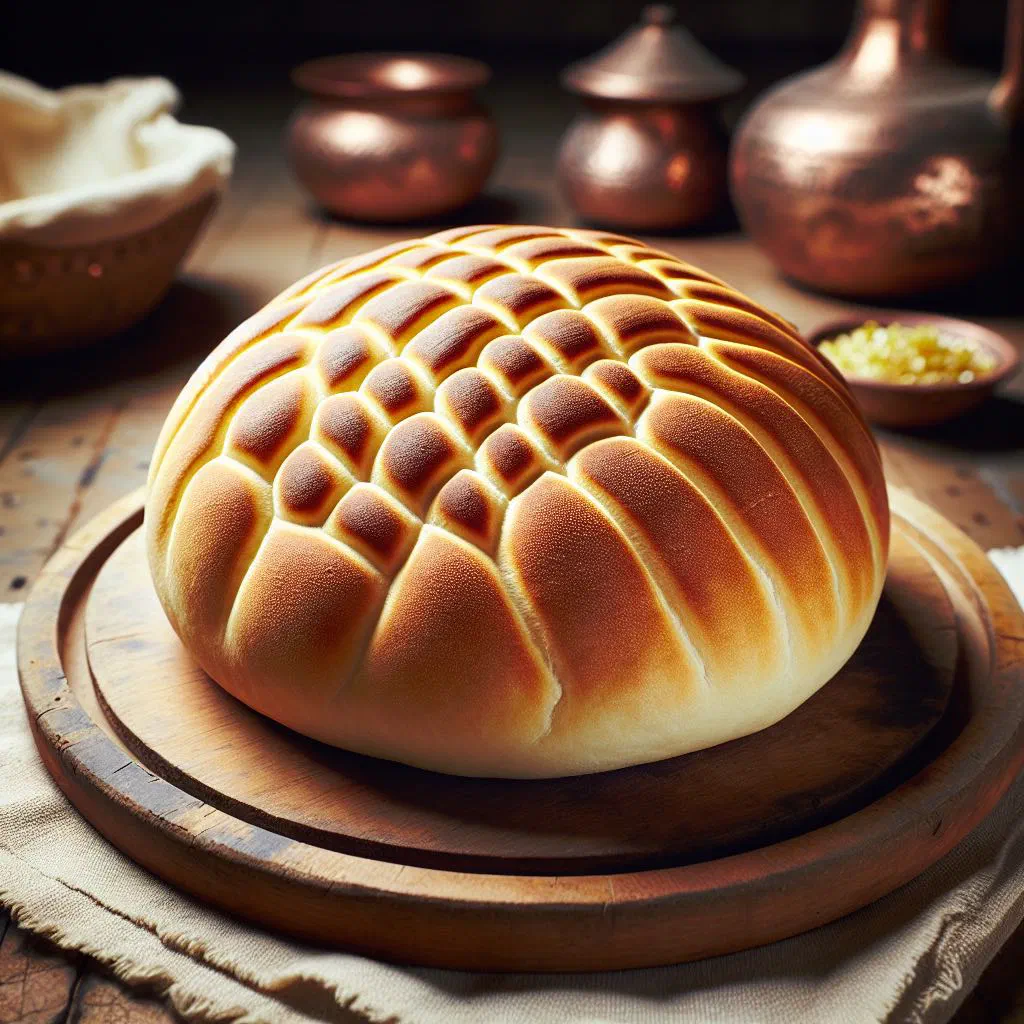
The traditional Yemeni flatbread, known simply as Yemeni Bread, is far more than a humble side. It is a symbol of Yemeni hospitality, served alongside countless dishes as a welcoming staple at the table. The preparation is refreshingly straightforward, and the result is an airy, crisp bread that pairs beautifully with the bold, spiced flavours of Yemeni cooking. Dips or simply enjoyed on its own as a snack, Yemeni Bread is a genuine treat.
Ingredients (serves 1–2)
- 200 g wheat flour
- 1 tsp salt
- 120 ml water
- 1 tsp olive oil (optional)
- Extra flour, for dusting
Shopping for the ingredients
When shopping for the ingredients for Yemeni Bread, it is worth choosing fresh wheat flour with a fine texture. Many supermarkets now also stock wholemeal flour, which can be used to give the bread a nuttier, earthier flavour. Salt plays a crucial role in bringing out the aromas, so it is worth reaching for a good-quality option here too. If you would like to add olive oil, pick a high-quality extra virgin olive oil to lift the overall taste.
Preparing the dish
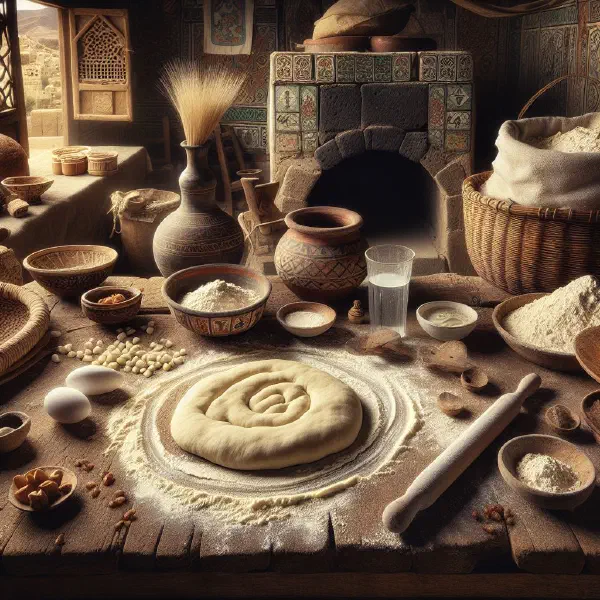
Before you begin making Yemeni Bread, it helps to have your kitchen tools ready to hand. You will need a large mixing bowl, a rolling pin and a frying pan. Make sure you have enough flour for dusting to stop the dough sticking. It is also a good idea to clean and dry your work surface beforehand, so the dough comes together cleanly and you get the best possible results.
Step-by-step instructions
- In a large bowl, mix together the flour and salt.
- Gradually add the water, kneading well until you have a smooth dough.
- Leave the dough to rest for around 10 minutes.
- Divide the dough into even portions and roll each one out into a round flatbread.
- Heat a frying pan and cook the flatbreads without oil for about 2–3 minutes on each side.
- Remove the warm bread from the pan and brush with olive oil to taste.
Gluten-free / lactose-free version
To make Yemeni Bread gluten-free, you can use a gluten-free flour blend suited to bread making. Mixtures of rice flour, potato starch and tapioca flour work particularly well. Keep an eye on the liquid, as gluten-free flours often need a little more or less water than wheat flour. For a lactose-free version there is very little to change, since the olive oil can simply be left out or swapped for another plant-based oil.
Tips for vegans and vegetarians
Yemeni Bread is naturally vegan and vegetarian, made as it is from simple, plant-based ingredients. To add variety, you can work spices such as cumin, coriander or sesame seeds into the dough. This gives the bread extra flavour and makes it that bit more nourishing. Vegans can enjoy the recipe with complete confidence, as there are no animal products to worry about.
More tips and tricks
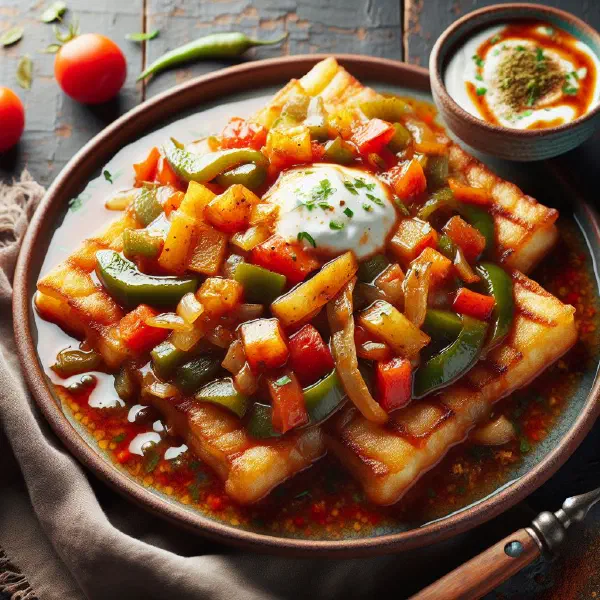
The preparation of Yemeni Bread can be improved with a few simple techniques. Preheating the pan is essential for an even, golden colour. Experiment with different cooking times for a crisper or softer texture to suit your taste. Keep the finished breads warm in a low oven while you cook the rest, so every flatbread stays fresh right up until you serve. These flatbreads sit alongside dishes such as Saltah or a bowl of Shorbat Adas beautifully.
Adapting the recipe to your taste
The best thing about Yemeni Bread is how flexible it is. You can adjust the consistency of the dough by adding a little more water or flour, depending on exactly how you like your bread. For a sweeter version, add sugar or honey and dust the bread with cinnamon. You could also fold in herbs such as thyme or rosemary to create a more aromatic loaf, much like the fragrant Malawah.
Ingredient substitutions
If you cannot get hold of wheat flour, you can also use oat flour or chickpea flour. These bring different textures and flavours to the bread. In place of water, you could use vegetable stock to give the bread an extra layer of aroma. If you want to reduce the calories, simply cut back on the olive oil or leave it out altogether.
Drink pairing ideas
Yemeni Bread goes wonderfully with a cool tea or a tangy mint lemonade. Yoghurt drinks are another good choice, as they balance the heat of Yemeni dishes. During the colder months a warming spiced tea, such as a fragrant Qishr Coffee, is a particularly good match. Don’t forget to serve plenty of refreshing drinks too, to complement the flavours of the bread and whatever you serve alongside it.
Serving and presentation ideas
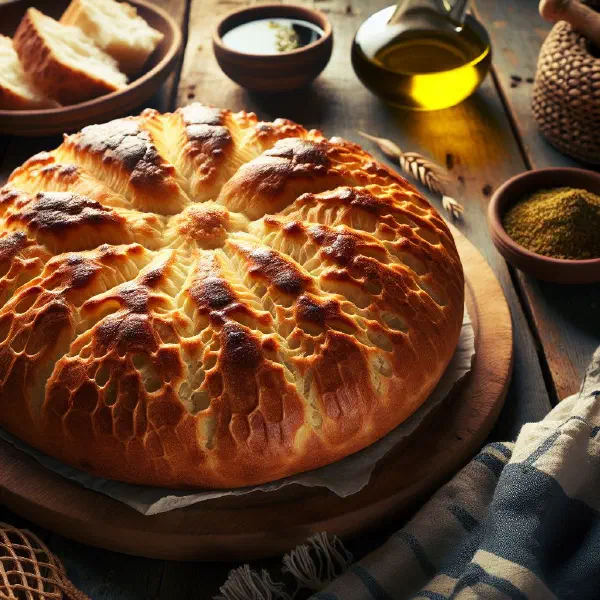
The presentation of Yemeni Bread can be lifted with a simple but stylish arrangement. Place the bread on a rustic wooden board and serve it with a selection of dips and stews. Colourful ceramic plates or bowls heighten the visual appeal. A small dish of olive oil for dipping is a lovely touch, keeping the bread looking fresh and inviting on the table.
A bit of history
The roots of Yemeni Bread reach back through the centuries, to a time when bread first became a staple of Yemeni culture. Traditionally it was baked in clay ovens, which gave the bread its distinctive flavour. It remains a fixture of festivals and family gatherings across Yemen. Today Yemeni Bread is enjoyed far beyond its homeland and is cherished as part of the wider tradition of Yemeni cuisine and Arabic cooking.
More recipe ideas
Summary: Yemeni Bread
Yemeni Bread is a delicious and versatile flatbread that holds a special place in Yemeni cooking. With its simple preparation and its many serving possibilities, it makes an ideal companion to all sorts of dishes. A tasty dip or simply on its own, this bread is sure to be a hit at any table. Bring a piece of Yemeni culture to your own home and discover the flavours and traditions behind Yemeni Bread.