National Dish Yemen: Zalabia (Recipe)
In this article
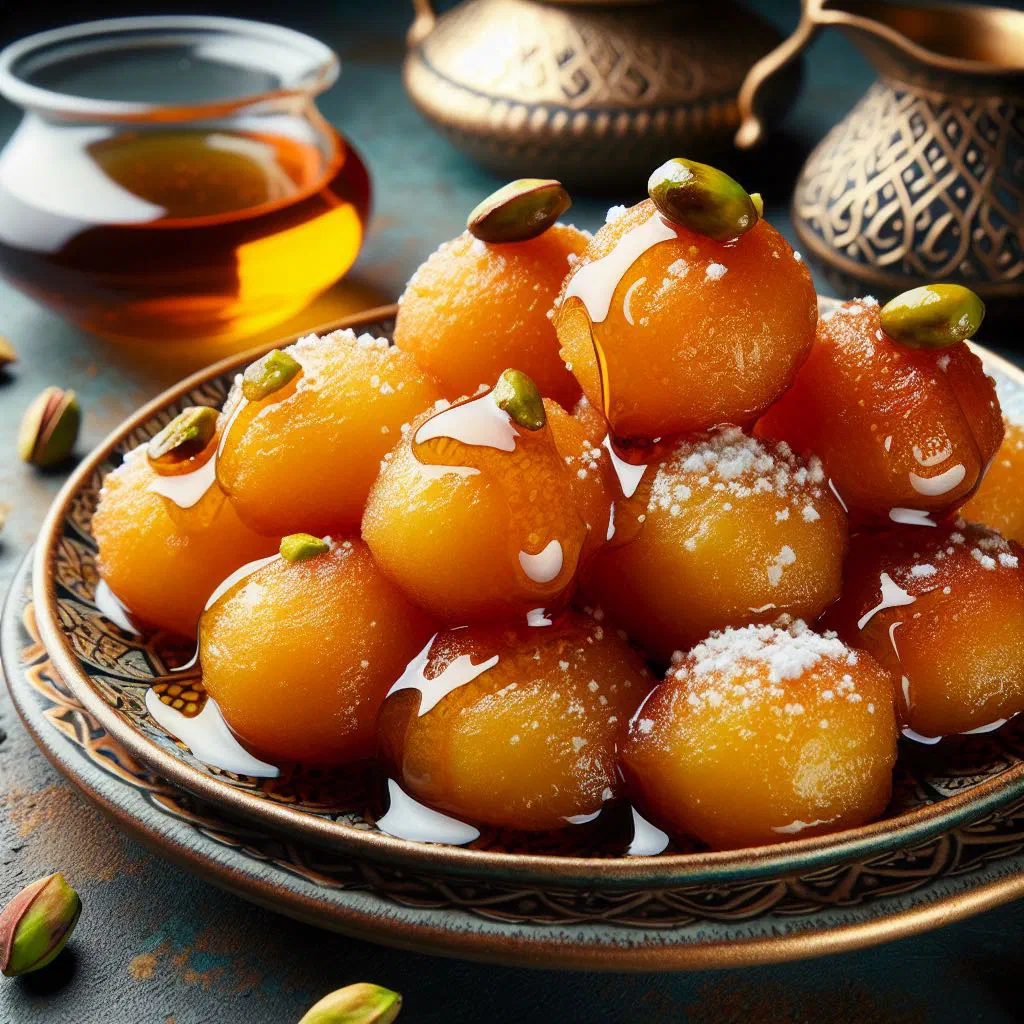
Meet Zalabia, one of Yemen’s most beloved sweet treats. These little fried dough balls are cloaked in a fragrant, syrupy glaze that gives them their very good shine and flavour. Warmed with spices such as cinnamon and cardamom, they are the kind of dessert that turns any occasion into a celebration. Zalabia bring a taste of Yemeni hospitality straight to your table.
About Zalabia
Zalabia are fried dough balls that hold a special place in Yemeni cooking. These little appeals to are often coated in a delicious, syrupy glaze that gives them an incomparable flavour. They are frequently perfumed with a variety of spices, making each bite a fascinating and aromatic experience. Whether for special occasions or simply as a snack between meals, Zalabia are a genuine delicacy that is loved across the Arab world.
Ingredients (serves 1–2)
- 200 g plain flour
- 1 tsp baking powder
- 1 pinch of salt
- 150 ml water
- Oil, for deep-frying
- Sugar and water, for the syrup
- Spices of your choice (e.g. cinnamon or cardamom)
Shopping for the ingredients
The ingredients for Zalabia are easy to find in most supermarkets or Middle Eastern grocery shops. Be sure to choose good-quality flour and fresh baking powder to achieve the best texture for your dough balls. For the syrup you can use either sugar or honey, depending on your personal taste. Spices such as cinnamon or cardamom give Zalabia that special something, so think about which aromas appeal to you most.
Preparing the dish
Before you start making Zalabia, gather all your ingredients and get your work surface ready. A clean and uncluttered space makes deep-frying easier and helps keep things safe. Consider whether you would also like to prepare a drink to serve alongside, rounding off the whole tasting experience. Making the syrup in advance can also help you cook more efficiently once the frying begins.
Step-by-step instructions
- In a bowl, combine the flour, baking powder and salt.
- Gradually add the water and stir until you have a smooth batter.
- Heat the oil in a deep pan.
- Using a spoon, drop small portions of the batter into the hot oil.
- Fry the Zalabia until golden brown, then drain on kitchen paper.
- For the syrup, heat the sugar and water in a small pan and add spices to taste.
- Roll the warm Zalabia in the syrup and enjoy straight away.
Gluten-free / lactose-free version
For a gluten-free version of Zalabia, simply use gluten-free flour. Take care that all the other ingredients are gluten-free too, especially the syrup. Lactose-free milk can also be used as an alternative when preparing sweet dishes. That way, people with intolerances can enjoy these delicious dough balls just as much as everyone else.
Tips for vegans and vegetarians
Zalabia are naturally vegan, as long as no animal fat is used for frying. Instead, reach for plant-based oils such as rapeseed or groundnut oil. When making the syrup, you can swap the sugar for agave nectar. These small adjustments not only keep the recipe vegan but can also make it a little lighter.
More tips and tricks
To make sure your Zalabia turn out perfectly, it is important to keep the oil at a steady temperature. Oil that is too hot can leave the dough balls charred on the outside while still raw inside. Use a thermometer to check for the ideal temperature. You can also enrich the dough with special extras such as nuts or dried fruit for added flavour and texture.
Adapting the recipe to your taste
The recipe for Zalabia is easy to tailor to your own preferences. Experiment with different spices, or add ingredients like chocolate spread or coconut for extra flavour. If you are after a less sweet option, simply reduce the amount of sugar in the syrup. Little tweaks like these can enhance the whole experience and lead to exciting new variations of the classic.
Ingredient substitutions
Instead of plain flour you can try alternative flours such as rice flour or chickpea flour to explore new flavour combinations, much like the batters behind other Yemeni treats such as Mandazi. When it comes to the frying oil, those with a high smoke point work best. If you would like a lower-sugar syrup, you can use erythritol or another sugar alternative. That way, enjoying Zalabia stays possible even for those with special dietary needs.
Drink pairing ideas
Plenty of drinks pair beautifully with Zalabia and help round off the experience. Traditionally, hot Yemeni tea or coffee is served alongside, much like the fragrant Qishr Coffee. For a refreshing note, you might brew a cup of mint tea. If you are looking for something caffeine-free, fruit juices, especially those made with citrus fruits, work wonderfully. That way the interplay of aromas always stays harmonious and delicious.
Serving and presentation ideas
Presenting Zalabia can go far beyond simply plating them up. Serve the dough balls on a beautiful plate and garnish them with a pinch of cinnamon or chopped nuts. A small dish of syrup for dipping can add an extra flourish. Use colourful plates and fresh mint as decoration to make the dish look especially festive.
A bit of history
Zalabia originated in Yemen and have, over the centuries, become a much-loved dessert throughout the Arab world. Their preparation has regional variations that reflect the different tastes and traditions of each country. They are often served at festive occasions and form part of the wider culinary culture of Yemen, sitting alongside classics such as Qatayef and Mahallabiya in the world of Yemeni cuisine. They symbolise hospitality and joy within the Yemeni community.
More recipe ideas
Summary: Zalabia
In short, Zalabia are a delicious dessert and a wonderfully simple one that is easy to make at home. With the right ingredients and a little practice, you can bring this traditional Yemeni dish into your own kitchen. Experiment with different aromas and presentation techniques to create your very own version of Zalabia. Enjoy the whisper of spices and the sweet temptation that this dish has to offer.