National Dish Zambia: Bean and Vegetable Stew (Recipe)
In this article
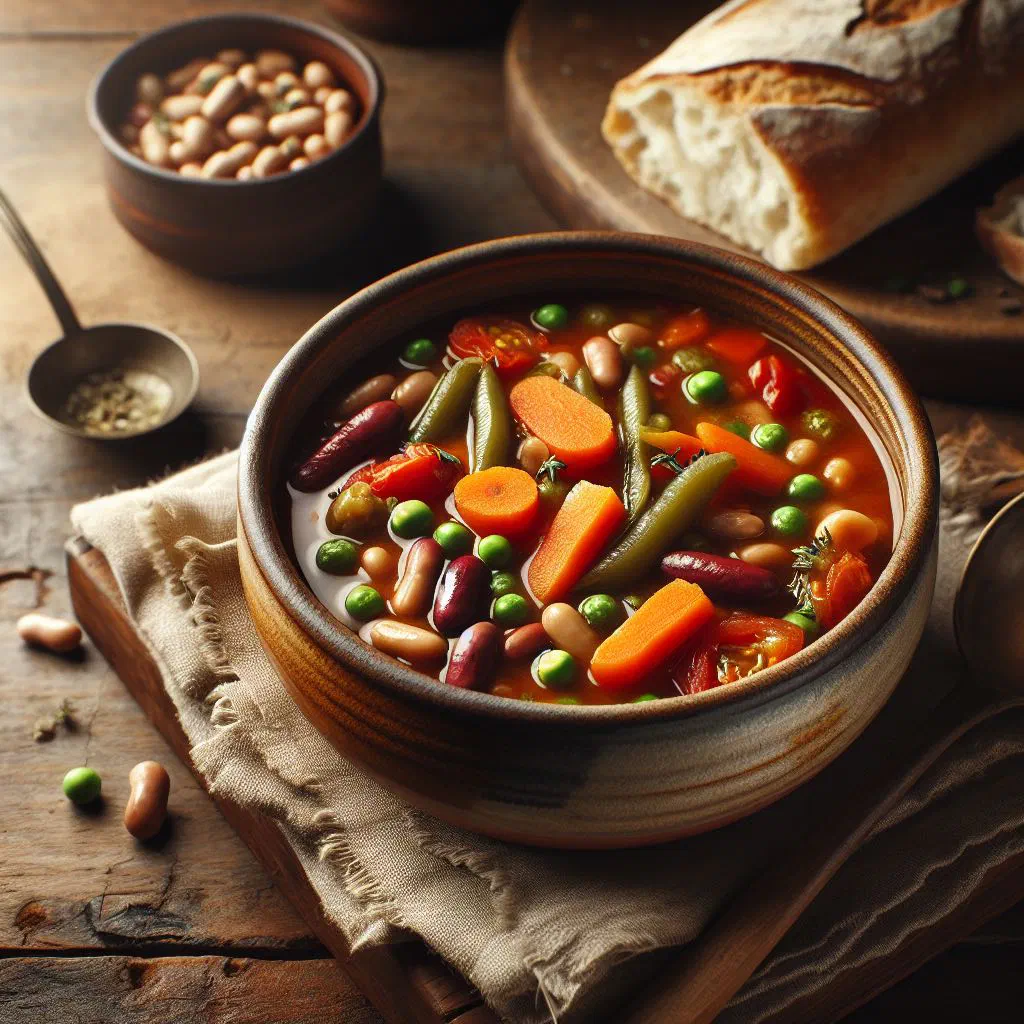
Discover Bean and Vegetable Stew, a warming Zambian classic built on fresh, local produce and humble store-cupboard beans. Slow-simmered with onion, garlic and gently smoky spices, it delivers big, comforting flavour without a scrap of meat. It is the kind of pot that feeds a family generously, tastes even better the next day, and brings the honest, earthy character of southern Africa straight to your own kitchen.
About Bean and Vegetable Stew
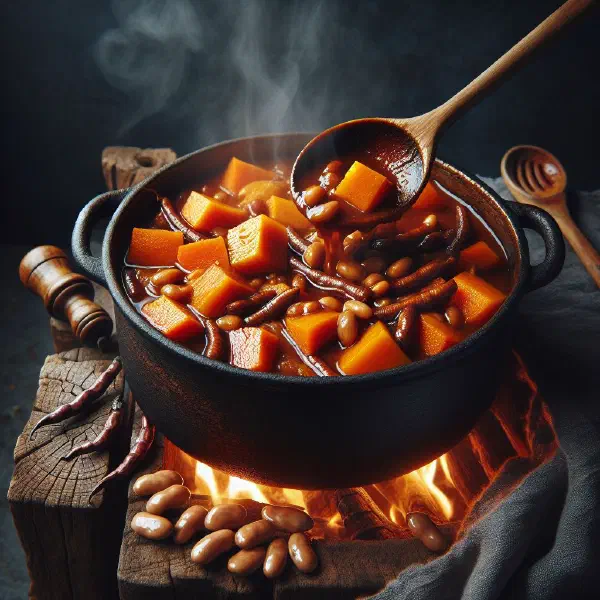
Bean and Vegetable Stew is a traditional dish from Zambia that brings together the variety and the flavours of the region in one pot. This hearty preparation relies on fresh, locally grown ingredients that reflect the country’s produce at its best. The combination of beans, seasonal vegetables and warming spices makes the stew not only nourishing but genuinely satisfying to eat. It is remarkably versatile, working equally well as a main course or as a generous side alongside other dishes.
Ingredients (serves 1–2)
- 1 cup dried beans (kidney beans or black beans, for example)
- 2 cups vegetable stock
- 1 onion, diced
- 2 cloves of garlic, chopped
- 1 carrot, diced
- 1 pepper, diced
- 1 courgette, diced
- 1 teaspoon cumin
- 1 teaspoon paprika
- Salt and pepper to taste
Shopping for the ingredients
When shopping for the ingredients for this stew, it pays to pick fresh, good-quality produce. Visit a local market to find freshly harvested vegetables, which will always give you the best flavour. Look out for organic bean varieties to make the most of the health benefits that pulses offer. Where you can, choose regional ingredients. It lowers the environmental footprint of the meal and supports growers close to home.
Preparing the dish
Preparation begins with the beans. Soak the dried beans overnight in plenty of water to soften them and shorten the cooking time considerably. The following day, rinse them thoroughly and leave them to drain. Then cut the vegetables into evenly sized pieces so that everything cooks at the same rate and the finished stew has a pleasing, consistent texture.
Step-by-step instructions
- Tip the soaked and rinsed beans into a large pan and pour over the vegetable stock.
- Add the onion and the garlic, then bring everything to the boil.
- Reduce the heat and add the vegetables — carrot, pepper and courgette — along with the spices.
- Let the stew simmer for 30–40 minutes, until the beans are soft and the vegetables are tender.
- Season with salt and pepper and serve hot.
Gluten-free / lactose-free version
This stew is naturally gluten-free and lactose-free. Use a vegetable stock that is specifically labelled gluten-free and you can be confident the dish is suitable for anyone with an intolerance. It is worth double-checking that the spices and any other packaged ingredients are certified gluten-free too. That makes the recipe an excellent choice for anyone eating carefully without wanting to give up on flavour.
Tips for vegans and vegetarians
Bean and Vegetable Stew is naturally vegan and perfectly suited to vegetarian cooking. To make it even more substantial, add extra pulses or a plant-based protein such as quinoa. Fresh herbs like coriander or parsley bring an aromatic lift right at the end. You might also stir in extra spices or a little chilli for heat, which is especially welcome if you enjoy a bolder, spicier bowl.
More tips and tricks
To deepen the flavour, toast the beans lightly in the dry pan before adding the liquid. It gives them a subtly nutty character. A squeeze of lemon juice just before serving provides a fresh lift that rounds out the earthiness beautifully. The stew also prepares well in advance and often tastes better the following day, once the flavours have had time to settle and mingle. A bowl of Nshima alongside turns it into a proper meal.
Adapting the recipe to your taste
The flexibility of this stew means you can shape it entirely around your own preferences. Add whatever seasonal vegetables you particularly like or happen to have available. Experiment with different pulses, black lentils or chickpeas both work well and shift the character of the pot. The spicing can vary too; try garam masala for a warmer, more exotic turn, or take a leaf from Butternut and Bean Stew and fold in sweet squash.
Ingredient substitutions
If some ingredients prove hard to find, there are plenty of alternatives. Frozen vegetables stand in perfectly well for fresh ones when produce is out of season. Tinned beans are a fine shortcut in place of dried, though be sure to drain and rinse them thoroughly first. Spices can be adjusted freely to taste, smoked paprika, for example, adds an appealing depth, much as it does in a Chakalaka.
Drink pairing ideas
This stew pairs beautifully with a wide range of drinks. A refreshing fruit juice, such as freshly squeezed orange or a ginger lemonade, makes an excellent partner. Wine drinkers will find a light white or a rosé complements the flavours nicely without overwhelming them. For a non-alcoholic option, sparkling water with a squeeze of lemon does the job, while a traditional Zambian Munkoyo offers something more authentic.
Serving and presentation ideas
An attractive presentation genuinely improves the experience of eating this stew. Serve it in colourful bowls and garnish with fresh herbs to create visual interest. Small side dishes of bread or rice make the meal feel more generous and inviting. Consider offering a wedge of lemon so each guest can add a little extra brightness exactly as they like it.
A bit of history
Bean and Vegetable Stew has a long tradition in Zambian cooking. Pulses are a staple across many African countries and have long been valued for their nutritional strength. Historically, stews were a practical way to combine whatever local ingredients were to hand and keep communities well fed. That tradition continues today, with every region adding its own variations and produce, a defining trait of Zambian cuisine.
More recipe ideas
Summary: Bean and Vegetable Stew
Bean and Vegetable Stew is a hearty, nourishing dish that captures the flavours of Zambian cooking in a single pot. Made with fresh ingredients, it offers not only great taste but a genuinely healthy and filling meal. The stew is enormously versatile and can be adjusted to suit any preference. It is the perfect choice for anyone drawn to wholesome, plant-based food who wants to explore the variety Zambia has to offer.