National Dish Zambia: Biltong (Recipe)
In this article
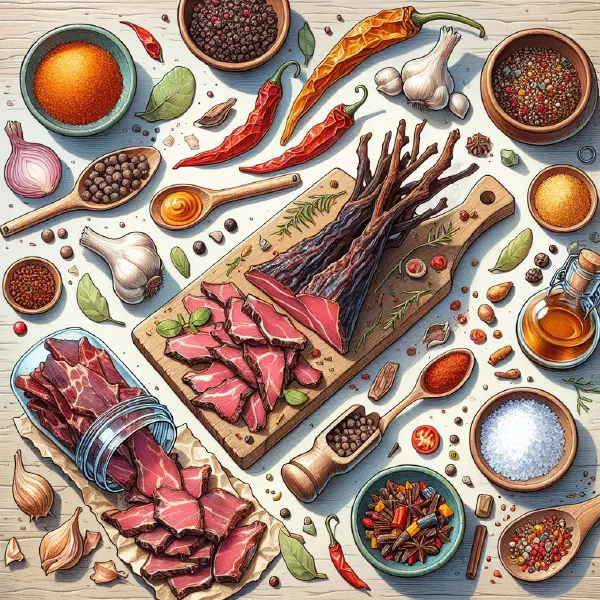
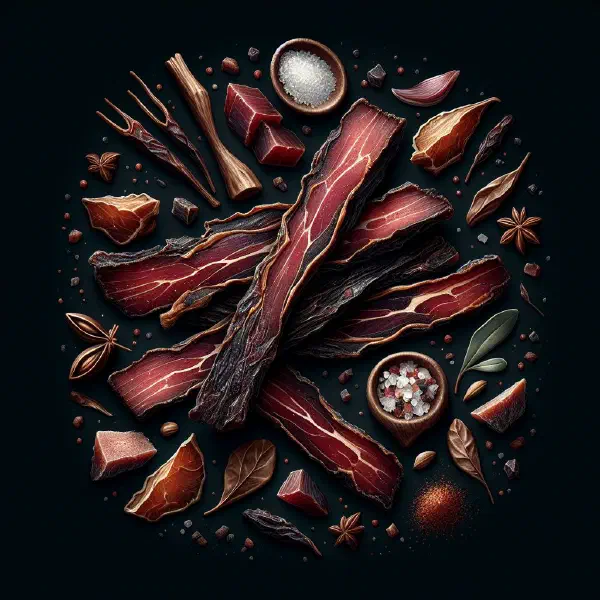
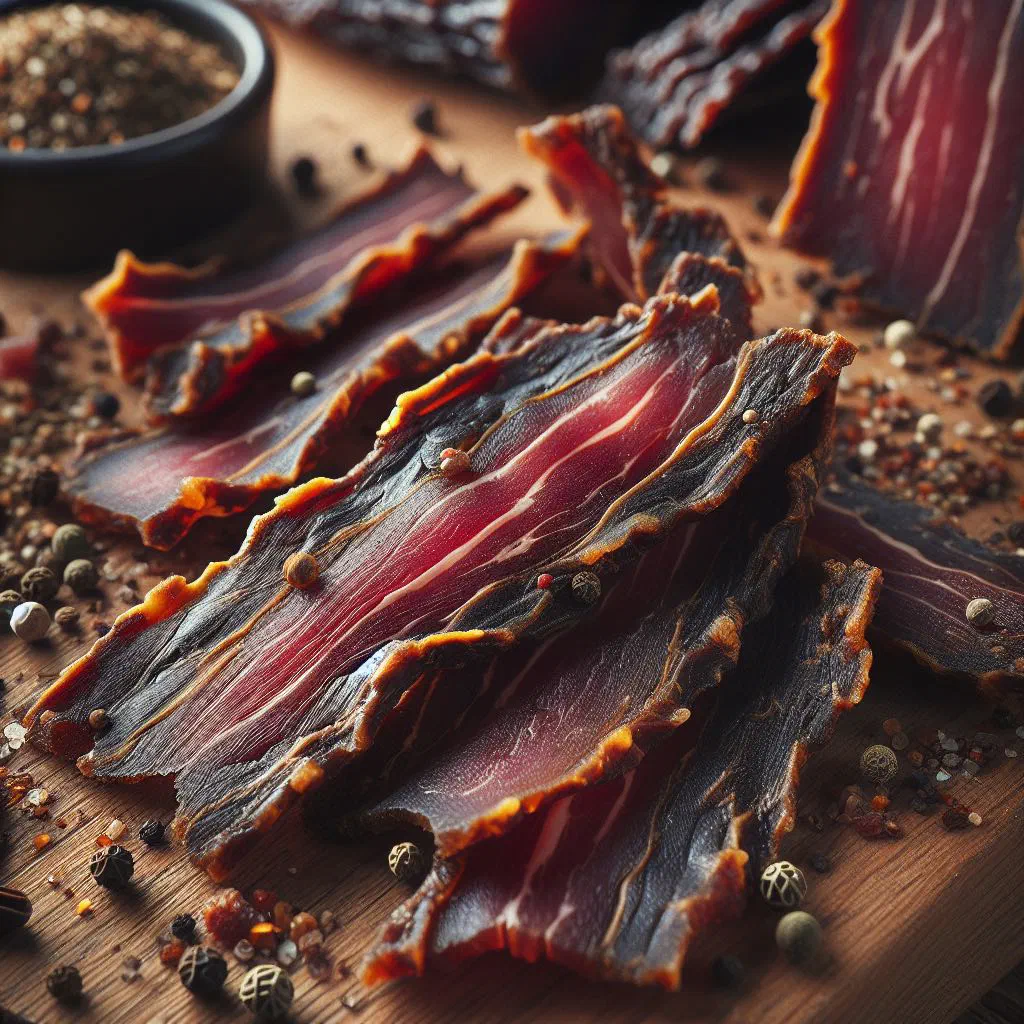
Discover Biltong, the boldly spiced air-dried meat that has become a much-loved snack right across southern Africa. Strips of beef are steeped in vinegar, rubbed with coriander seeds and pepper, then left to dry slowly until they turn deeply savoury and satisfyingly chewy. It takes patience rather than skill, and the reward is a protein-rich treat that keeps for weeks. Bring the flavours of Africa straight into your own kitchen.
About Biltong
Biltong is a traditional dried-meat speciality that originated in South Africa and is now enjoyed far beyond its borders, Zambia very much included. It is a popular snack and a valuable source of protein and nutrients. Making biltong does take time, but the process is an enjoyable and creative one. This meaty speciality is perfect for barbecue evenings or simply as a hearty bite between meals, and it sits comfortably alongside grilled favourites such as Charcoal Grilled Tilapia.
Ingredients (serves 1–2)
- 500 g beef (fillet or rump, for example)
- 100 ml cider vinegar
- 2 tablespoons brown sugar
- 1 tablespoon coriander seeds
- 1 teaspoon black pepper, freshly ground
- 1 teaspoon salt
- 1 teaspoon smoked paprika
- Optional: 1 teaspoon chilli flakes for extra heat
Shopping for the ingredients
Good biltong starts at the butcher’s counter, so ask for a lean, well-trimmed cut with as little sinew as possible, fillet and rump are both excellent choices. The spices are all supermarket staples, though whole coriander seeds are worth seeking out because freshly crushed seeds have far more fragrance than ready-ground powder. Cider vinegar is widely available, and a decent smoked paprika will repay the small extra cost.
Preparing the dish
First and foremost, the beef needs to be cut into suitable pieces; slices around 1–2 cm thick are ideal, as this shape allows the meat to dry evenly. Once the meat is sliced, place it in a bowl and marinate it thoroughly in cider vinegar. This helps to tenderise the meat and lends it a pleasant tangy note. After marinating, scatter the spice mixture evenly over the surface so that every piece is well coated.
Step-by-step instructions
- Cut the beef into slices roughly 1–2 cm thick.
- Marinate the meat in the vinegar for at least 2 hours.
- Combine the spices and rub them evenly over the marinated meat.
- Spread the meat out on a wire rack so that air can circulate freely around it.
- Dry the meat for about 3–5 days in a cool, dry place, or use a dedicated food dehydrator.
Gluten-free / lactose-free version
Biltong is naturally gluten-free and lactose-free, provided you avoid any additives that contain gluten. Check that all your spices are gluten-free too, as some ready-made blends can hide unexpected sources. If you plan to use a shop-bought seasoning mix, read the label carefully to make sure it is pure and natural. That makes biltong an excellent snack for anyone with food intolerances.
Tips for vegans and vegetarians
Although biltong is traditionally made from meat, there are creative alternatives for vegans and vegetarians. Try using portobello mushrooms or other firm vegetables, marinated in the same way and then dried. Certain plant-based meat substitutes also work well for recreating a similar flavour and texture. Experiment with different spices and marinades to find the version you like best, or turn to a naturally meat-free classic such as Ifisashi.
More tips and tricks
Drying meat was once purely a means of preservation, and today you can use the very same technique to create delicious snacks. The crucial factors are temperature and humidity during drying, both of which decide whether you get a good result. Use a fan or a dehydrator to keep the air moving properly around the meat. Another useful tip is to store finished biltong in airtight containers to preserve its freshness and flavour.
Adapting the recipe to your taste
One of the great strengths of biltong is just how adaptable the recipe is. You can adjust the spices to create quite different results, from a sweeter version with extra sugar to a fiery one with additional chilli flakes. It is also worth experimenting with other meats, such as game or poultry, to discover new flavours. Give your creativity free rein and find the blend that suits you perfectly.
Ingredient substitutions
If you have no coriander seeds to hand, cumin makes a fine replacement and brings a similar earthy note. Other vinegars work well too, red or white wine vinegar each lend their own nuance to the finished meat. For anyone avoiding sugar, stevia or agave syrup are excellent alternatives that keep the recipe both healthy and tasty. Small swaps like these let you work with whatever is already in the cupboard.
Drink pairing ideas
A hearty snack like biltong goes with a wide range of drinks. A cold, freshly poured lager brings out the salty, spiced notes of the meat beautifully. If you would rather keep things alcohol-free, a refreshing ginger lemonade makes a great partner with its bite and freshness, as does a chilled glass of Munkoyo. Full-bodied red wines also harmonise splendidly with the flavour of dried meat.
Serving and presentation ideas
Presentation can lift the biltong experience considerably. Serve it on a handsome wooden board to create a rustic, generous look. Add a few well-chosen accompaniments such as olives or cubes of cheese, which complement the flavours perfectly. Remember to slice the biltong into neat finger-sized pieces so that guests can help themselves easily.
A bit of history
Biltong has a history stretching back to the 17th century. Dutch settlers in South Africa developed the method to preserve meat during their long journeys inland. Over the years biltong has grown in popularity both within southern African food culture and internationally. Today it is far more than a simple snack. It is a symbol of tradition, and a familiar sight wherever Zambian cuisine is served alongside its neighbours’ specialities.
More recipe ideas
- Boerewors Stew
- Grilled Rabbit
- Smoked Goat Meat With Nshima
- Traditional Bushmeat Stew
- Chikanda African Polony
Summary: Biltong
In short, biltong is a delicious and nourishing dried-meat speciality that is genuinely simple to prepare. Its versatility means you can experiment endlessly with flavours and ingredients and tailor it to your own preferences. Whether as a snack, a midnight treat or something to hand round at a barbecue, biltong brings the taste of Africa straight to your kitchen and your table. Let it inspire you and enjoy the flavours of this special tradition.