National Dish Zambia: Chibwabwa (Recipe)
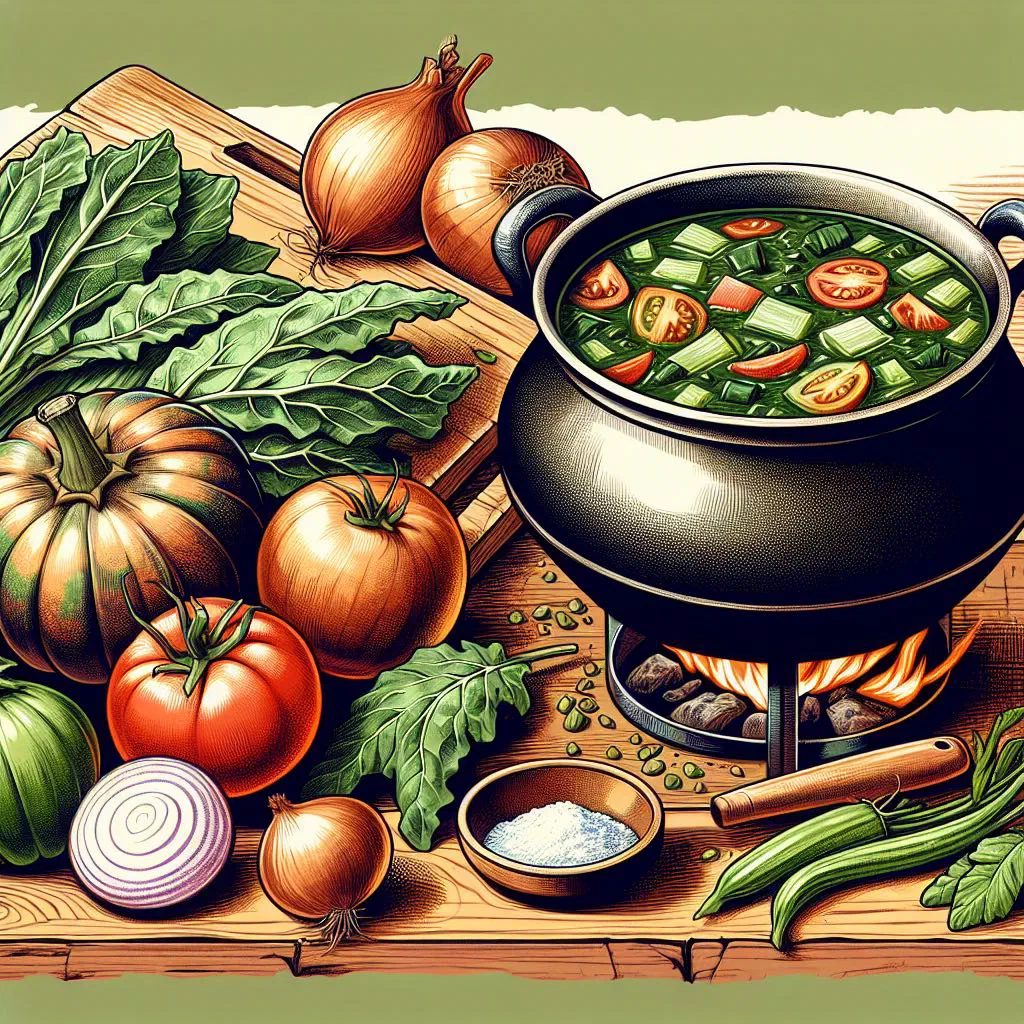
In this article
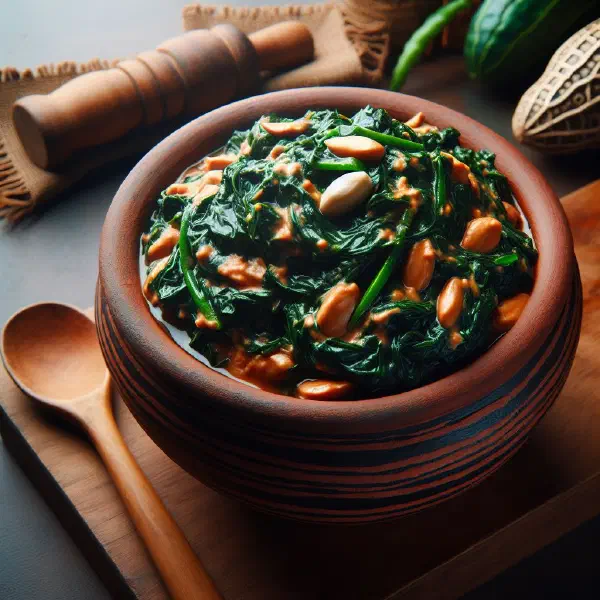
Discover Chibwabwa, one of Zambia’s most cherished everyday dishes. Tender pumpkin leaves are gently stewed and folded through rich peanut butter until they turn silky and deeply savoury. It is simple, thrifty cooking at its best, nourishing, quick to make and full of the earthy warmth that defines Zambian home kitchens. Serve it as a main or as a relish alongside a mound of steaming maize meal.
About Chibwabwa
Chibwabwa is a traditional Zambian dish prepared with real pride, and it captures the flavours of the country’s home cooking beautifully. Its backbone is the pumpkin leaf, a green that plays an important role in the Zambian table. Combined with peanut butter and a handful of everyday spices, the result is a dish that is both nutrient-rich and thoroughly delicious. Chibwabwa can be served as a side alongside other dishes or as a main course in its own right, and it is an excellent way to step into Zambia’s culinary tradition.
Ingredients (serves 1–2)
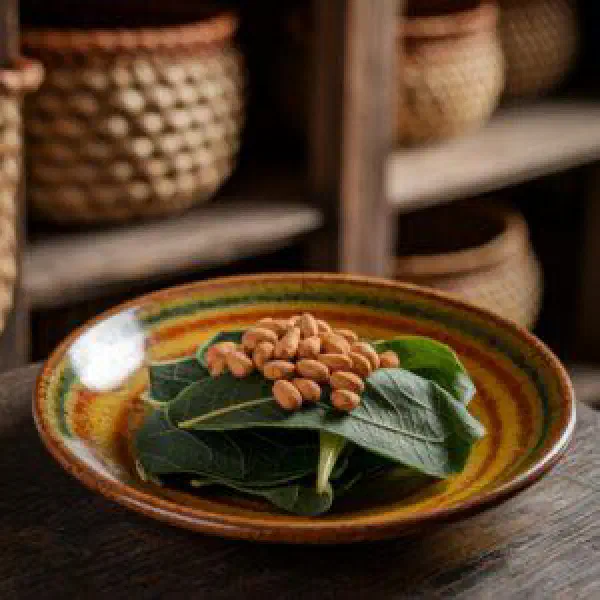
- 200g fresh pumpkin leaves
- 3–4 tablespoons peanut butter
- 1 onion, diced
- 1 clove of garlic, chopped
- 1 teaspoon fresh ginger, grated
- 1 teaspoon paprika
- Salt and pepper to taste
- Water, as needed
Shopping for the ingredients
When shopping for chibwabwa it is important to pay attention to freshness. The pumpkin leaves should be green and crisp, never limp or yellowing. Visit a weekly market or a local African grocer that stocks fresh, home-grown produce. The peanut butter should be as natural as possible and free from added sugar, so the full, nutty flavour of the dish comes through.
Preparing the dish
Preparing chibwabwa is straightforward and unfussy. Begin by washing the pumpkin leaves thoroughly and stripping away the thick stems, which stay tough however long you cook them. Finely chop the onion, the garlic and the ginger so their aroma spreads evenly through the pot. Have everything ready and to hand before you start cooking. It makes the whole process far easier.
Step-by-step instructions
- Heat a pot over medium heat and add a little water.
- Add the diced onion, chopped garlic and grated ginger, and sauté until softened.
- Add the freshly washed pumpkin leaves and let them steam for a few minutes.
- Stir in the peanut butter, then season with paprika, salt and pepper.
- Add a splash more water if needed to reach the consistency you want.
- Let the dish simmer for about 10–15 minutes, until the leaves are tender.
- Serve chibwabwa warm and enjoy those wonderful flavours.
Gluten-free / lactose-free version
Chibwabwa is naturally gluten-free and lactose-free, since its main ingredients, pumpkin leaves and peanut butter, contain neither grain products nor dairy. That makes it an ideal choice for anyone with intolerances or allergies. Do check that any spice blends you use are certified gluten-free, as some contain anti-caking agents. Beyond that, you can enjoy this dish without a second thought.
Tips for vegans and vegetarians
Chibwabwa suits vegans and vegetarians perfectly, as it is entirely plant-based. To make it even higher in protein, stir in some pulses such as chickpeas or lentils towards the end of cooking. They add a pleasing texture and make the dish considerably more filling, much like a hearty Bean And Vegetable Stew. Use seasonal produce wherever possible for the best flavour.
More tips and tricks
A popular trick is not to overcook the pumpkin leaves, so they keep their bright green colour and their nutrients. Experiment with different spices to tune the taste of chibwabwa to your liking. Finish the dish with roasted groundnuts for extra crunch, or serve it with rice or a mound of Nshima for a complete meal.
Adapting the recipe to your taste
The chibwabwa recipe adapts easily to different preferences. You might vary the quantity of spices, or add other vegetables you happen to enjoy. If you like heat, work a fresh chilli or a pinch of chilli flakes into the pot along with the garlic. Just remember to adjust the cooking times accordingly so every ingredient keeps the texture you are after.
Ingredient substitutions
If pumpkin leaves are hard to come by, other leafy greens such as spinach or chard make a fine stand-in, and the same principle underpins Cassava Leaves In Peanut Sauce. The peanut butter can be swapped for almond butter or tahini to create a different flavour profile. For a more pronounced nutty note, fry a handful of roasted groundnuts in the pot right at the start. Experiment a little to find out what you like best.
Drink pairing ideas
Light, refreshing drinks pair beautifully with chibwabwa, as do traditional Zambian ones such as Chibuku, a local maize beer. If you would rather keep things alcohol-free, try a chilled ginger tea or a fermented maize drink like Maheu. Matching the flavours of the food with the right drink rounds the whole meal off nicely.
Serving and presentation ideas
For an appealing presentation, pile the chibwabwa into a large bowl and scatter roasted groundnuts over the top. A few fresh herbs such as coriander or parsley bring extra colour and freshness to the plate. Serve on rustic earthenware to echo Zambian tradition, and set the bowl in the middle of the table so everyone can help themselves. Thoughtful presentation makes a real difference to the meal as a whole.
A bit of history
Chibwabwa has its roots in traditional Zambian cooking and is a symbol of using local, seasonal ingredients. Preparing dishes like this one is woven deep into Zambian culture and the knowledge is often handed down from generation to generation. In the past, cooking was a communal affair that brought families and neighbours together around a single fire. The dish reflects a cuisine that is at once simple and nourishing, and that celebrates a close connection with the land, a thread running through all of Zambian cuisine.
More recipe ideas
Summary: Chibwabwa
In short, chibwabwa is a delicious and nourishing dish that captures the essence of Zambian cooking perfectly. With its fresh, home-grown ingredients and its uncomplicated method, it is an ideal recipe for anyone looking for a new culinary adventure. Give chibwabwa a go and discover the savoury flavours and rich culture of Zambia. It is bound to become a new favourite on your weekly menu.