National Dish Zambia: Kapenta Stew (Recipe)
In this article
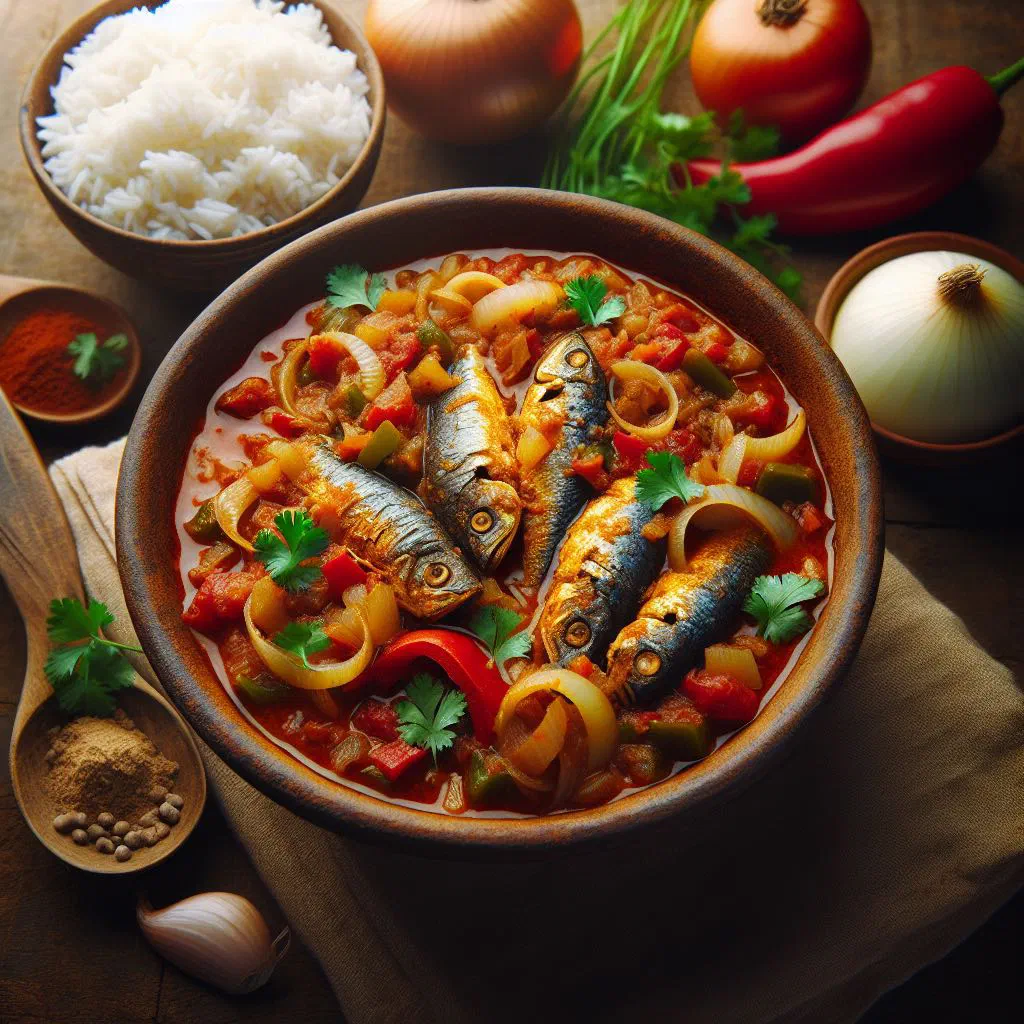
Meet Kapenta Stew, one of Zambia’s most cherished everyday dishes. Tiny dried fish are simmered into a rich, spiced tomato sauce until every mouthful tastes of the lake shores where they are caught. It is quick, thrifty and deeply savoury, the kind of one-pot cooking that feeds a family without fuss. Serve it steaming hot with a soft mound of starch and you have a proper taste of Zambian home cooking.
About Kapenta Stew
Kapenta Stew is a traditional dish from Zambia, prized for its hearty flavour and its genuinely nourishing ingredients. The star of the pot is a handful of small dried fish, cooked down together with a well-seasoned tomato sauce. The dish reflects the rich culinary heritage of southern Africa and offers a real glimpse into how people eat day to day. Fresh herbs and warm spices round out the flavour and give the stew its unmistakable character.
Ingredients (serves 1–2)
- 100 g dried kapenta fish
- 2–3 tomatoes, diced
- 1 onion, diced
- 2 garlic cloves, chopped
- 1–2 green chillies, to taste
- 1 tablespoon vegetable oil
- Salt and pepper to taste
Shopping for the ingredients
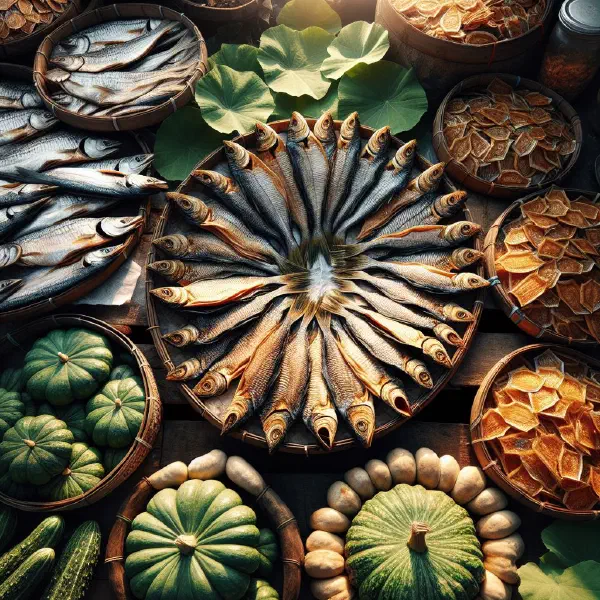
Making kapenta stew calls for a mix of fresh and dried ingredients. Dried kapenta fish are sold in African grocery shops and are easy to order online. Fresh herbs, tomatoes and other vegetables are available in any well-stocked supermarket or at a weekly market. Look for produce that is as fresh as possible, since it makes a noticeable difference to the finished flavour of the stew.
Preparing the dish
Before you start cooking kapenta stew, get everything properly prepped. The dried fish should be rinsed thoroughly to wash away any excess salt clinging to them. Dice the onions and garlic finely and cut the tomatoes into small pieces. Lining everything up in advance keeps the cooking smooth and unhurried, which matters in a dish that comes together this quickly.
Step-by-step instructions
- Heat the vegetable oil in a pan over a medium heat.
- Add the diced onion and fry until translucent.
- Stir in the chopped garlic and green chillies and fry briefly.
- Add the diced tomatoes and let the mixture simmer for a few minutes.
- Stir through the kapenta fish and simmer for around 10 minutes so the flavours mingle.
- Season the stew with salt and pepper and serve piping hot.
Gluten-free / lactose-free version
Kapenta stew is naturally gluten-free and lactose-free, which makes it an easy choice for anyone with those intolerances. Just check as you shop that no gluten-containing products slip in through the back door. Oils and spice blends should be free of added fillers that might contain gluten. With that small bit of care, everyone at the table can enjoy this delicious dish without compromise.
Tips for vegans and vegetarians
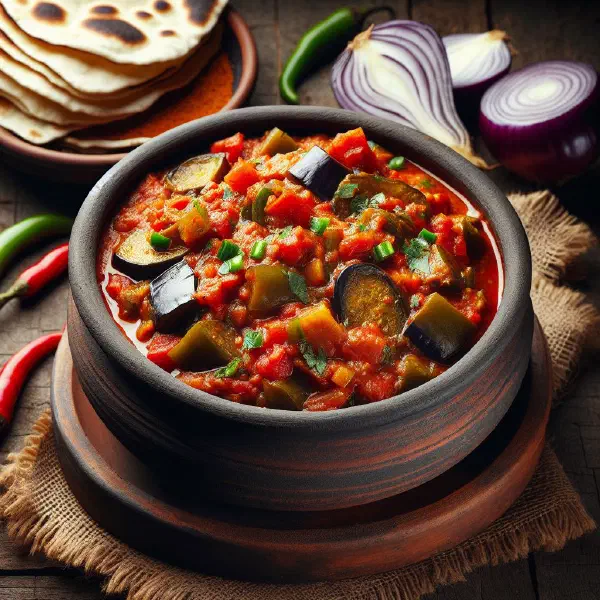
There is a genuinely good vegan adaptation of kapenta stew. Swap the dried fish for a plant-based alternative such as tofu or tempeh, both of which give a similar texture and soak up the sauce beautifully. Add more vegetables, courgette or aubergine work particularly well, much as they do in a hearty Eggplant Stew. The tomatoes and spices keep the dish every bit as aromatic as the original.
More tips and tricks
To get the very best from your kapenta stew, play with the spicing. Cumin and coriander are excellent additions that deepen the flavour considerably. A squeeze of lemon juice just before serving brings a fresh note and a welcome touch of acidity. It is also worth letting the stew rest for a few minutes off the heat so the aromas have time to settle and open up.
Adapting the recipe to your taste
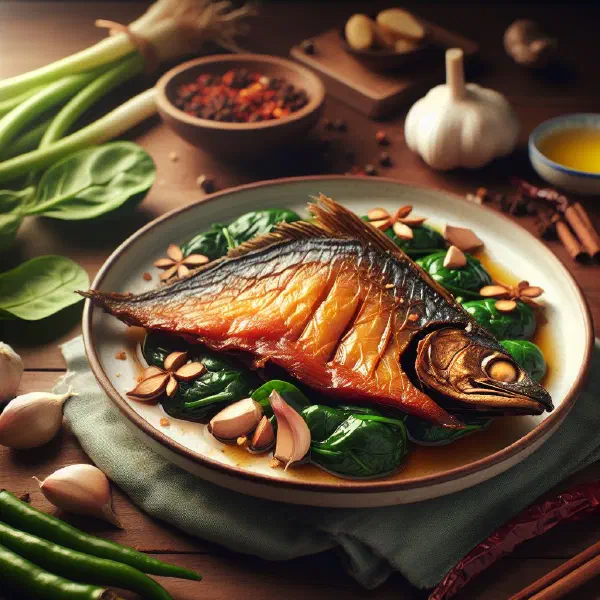
Kapenta stew leaves plenty of room for personal preference. Add leafy greens such as spinach or chard to make the dish more nutritious, a trick shared with the classic Dried Fish With Spinach. If you like heat, throw in more chillies and let it build. Experimenting with different herbs is another easy way to give the stew a signature note that is entirely your own.
Ingredient substitutions
Several ingredients in kapenta stew can be swapped without harm. If dried fish are hard to find, freshly caught fish or even other seafood make a fine stand-in. Tomato purée can replace fresh tomatoes for a more concentrated, intense sauce. Changes like these keep the recipe flexible and forgiving while the finished dish stays every bit as tasty.
Drink pairing ideas
A number of drinks suit kapenta stew and play up its savoury depth. Try a fruity white wine or a light lager, both of which complement the fresh, spiced flavours nicely. Fresh fruit juices or a homemade mocktail make an equally refreshing companion, as does a traditional maize drink such as Maheu. Chosen well, the drink turns the meal into a proper occasion.
Serving and presentation ideas
Presentation can lift the whole kapenta stew experience. Serve the stew in a deep bowl and scatter over freshly chopped coriander or parsley. For a more generous plate, spoon it over a bed of polenta or rice, or alongside the Zambian staple Nshima. A few lemon wedges add colour and give diners a fresh kick to squeeze over just before eating.
A bit of history
Kapenta stew has its roots in the traditional cooking of Zambia, where it is valued as a simple but genuinely nourishing meal. Cooking with dried fish is both practical and delicious: the fish keep for months and bring a concentrated savouriness that fresh fish cannot match. It is fascinating to see how local ingredients and long-standing habits meet in one pot, making the stew a small emblem of Zambian cuisine. Its flavours tell stories of the lakes, of tradition and of community.
More recipe ideas
Summary: Kapenta Stew
Kapenta stew is a hearty and nourishing dish that captures the flavours of Zambia in the most delicious way. It is straightforward to make and takes happily to all sorts of tastes and preferences. Served with rice, polenta or a spread of side dishes, it is a genuine pleasure at the table. Cook it once and you will understand why it has stayed on Zambian menus for generations, enjoy those rich traditions in your own kitchen.