National Dish Zambia: Nshima (Recipe)
In this article
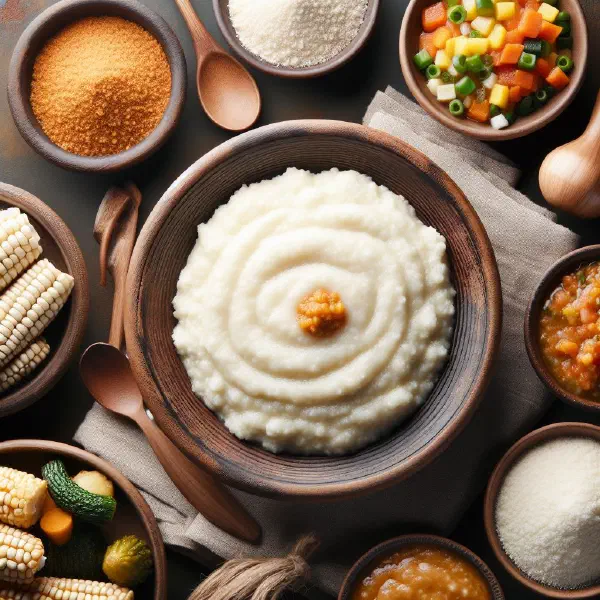
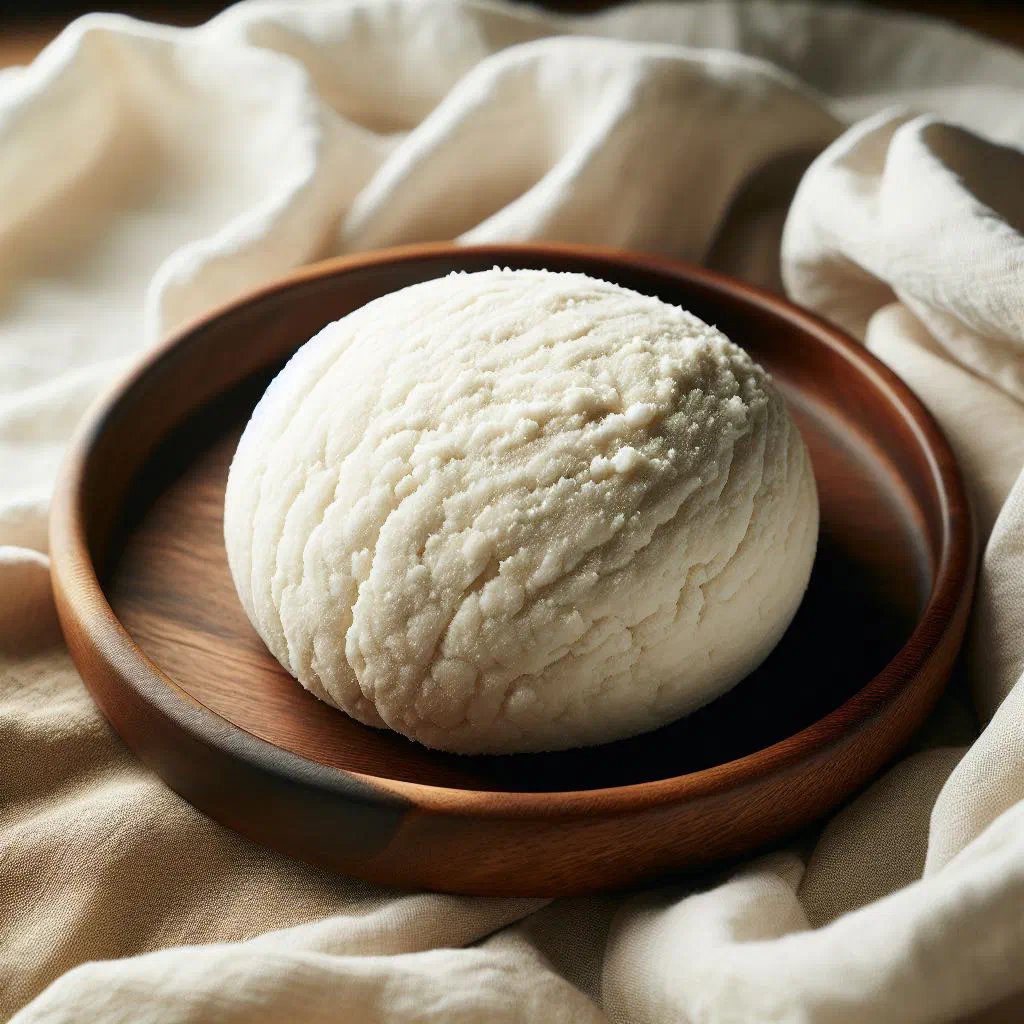
Nshima is maize meal cooked stiff, and Zambians eat it twice a day. Ask someone whether they have eaten and the question means whether they have had nshima. Everything else is ndiwo, the relish that goes with it.
About Nshima
Two stages. A thin porridge first, cooked for a few minutes, then the rest of the flour worked in until the mass is thick enough to hold its shape and pulls cleanly from the pot.
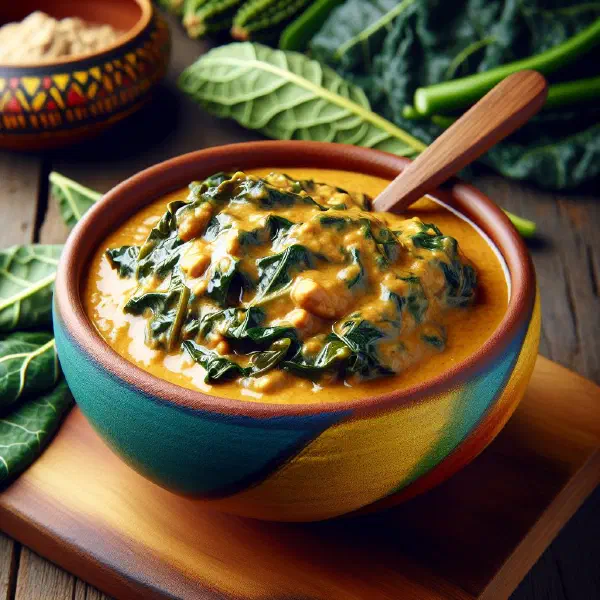
The relish is where the variety is: ifisashi, greens in groundnut sauce, kapenta, the tiny dried lake fish, or grilled tilapia from the Zambezi.
Ingredients (serves 1–2)
- 1 cup white maize meal (pre-cooked)
- 2 cups water
- Salt to taste
Shopping for the ingredients
White breakfast meal or roller meal from an African grocer. Fine grind. Yellow maize is used for animal feed in Zambia and will be noticed if you serve it.
Preparing the dish
A heavy pot and a strong wooden spoon, the mwiko. The second half of the flour needs real force to work in, and that effort is what makes the texture right.
Step-by-step instructions
- Bring the water to the boil and add a pinch of salt.
- Whisk in about a third of the maize meal to make a thin porridge and cook it 5 minutes.
- Add the remaining maize meal slowly, stirring constantly with a wooden spoon to prevent lumps.
- Keep stirring hard until the mixture thickens and pulls away from the sides of the pan.
- Reduce the heat and cook a further 10 minutes, pressing it against the pot as you stir.
- Take the pan off the heat and rest for a few minutes.
- Shape into portions with a wet spoon and serve hot.
Gluten-free / lactose-free version
Maize contains no gluten and nshima contains no dairy. It is naturally suitable for both restrictions.
Tips for vegans and vegetarians
Nshima is flour and water. Ifisashi and fisashi, greens with groundnuts, chibwabwa soup from pumpkin leaves, and pumpkin leaves with groundnuts are all vegan and all standard.
More tips and tricks
Cook the thin porridge stage properly before adding the rest, since that is what removes the raw taste. Stir hard. And shape it with a wet spoon while hot, because nshima sets firm within minutes.
Adapting the recipe to your taste
Millet porridge and sorghum versions are older and more nutritious. Softer nshima is served to children. Maize porridge is the breakfast form.
Ingredient substitutions
Cassava, millet or sorghum flour. Polenta gives a coarser texture. Water is all it needs.
Drink pairing ideas
Maheu, the fermented maize drink, made from the same crop. Munkoyo, the root-fermented drink. Mosi lager with grilled fish.
Serving and presentation ideas
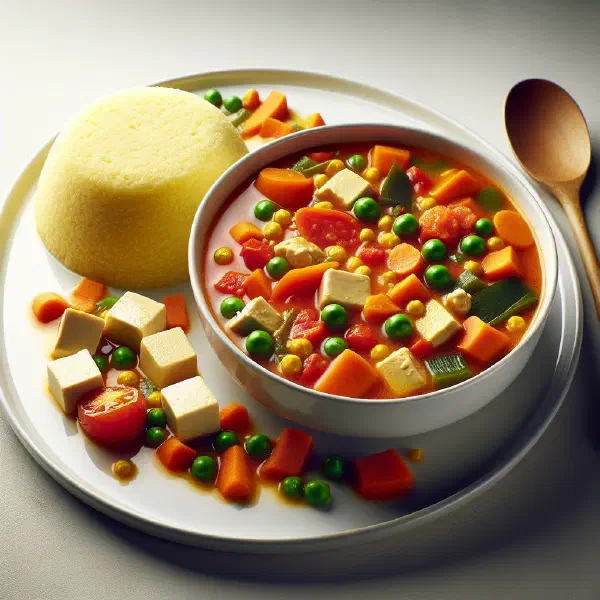
Serve smooth mounds on a shared plate with two or three relishes around them. Hands are washed at the table from a jug and bowl before anyone starts. Pinch, roll, dip.
A bit of history
Maize replaced sorghum and millet across Zambia in the colonial period, encouraged by the copper mines that needed cheap rations for workers. That dependence still shows in the country’s food economy: a bad maize year is a national crisis. Nshima anchors Zambian cuisine.
More recipe ideas
- Boiled Maize with Beans
- Charcoal-Grilled Tilapia
- Chibwabwa Soup
- Groundnut Relish
- Ifisashi
- Kapenta Stew
- Vegetable Stew with Nshima
Summary: Nshima
Nshima is maize meal stirred into boiling water until stiff, served with relish. Cook the thin porridge stage first, stir hard, and shape it while hot.