National Dish Zambia: Samp and Beans (Recipe)
In this article
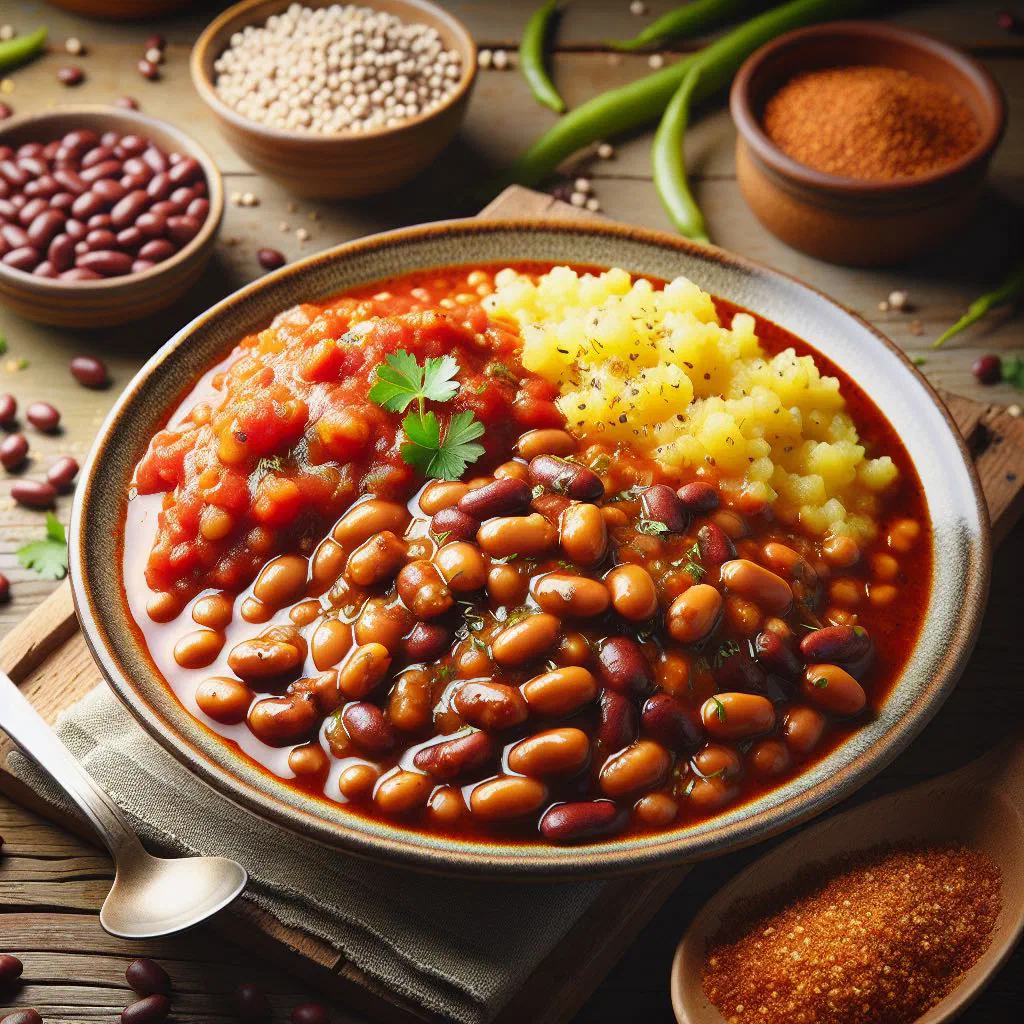
Few dishes say home in Zambia quite like Samp and Beans. Cracked maize simmered slowly with tender beans makes a bowl that is nourishing, gently savoury and deeply comforting, the kind of food that stretches easily to feed everyone at the table. It appears just as happily on a weeknight as it does at a celebration, and its warm, unhurried character sums up Zambian hospitality perfectly.
About Samp and Beans
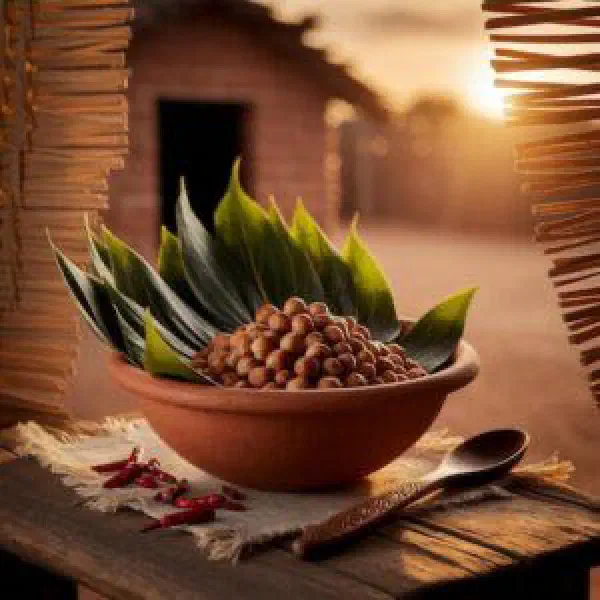
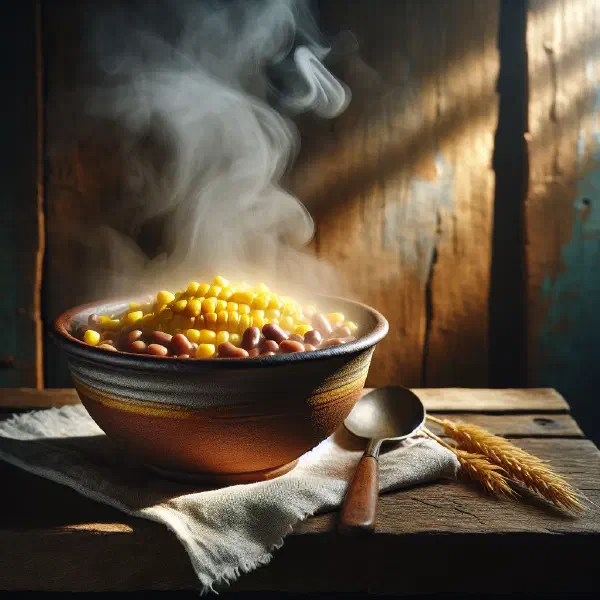
Samp and Beans is a traditional Zambian dish built from cracked maize and beans. It is highly nutritious and strikes a lovely balance between flavour and texture, the chewy grains of maize against the soft, creamy pulses. Together they make a filling meal suited to everyday eating and to festive occasions alike. Generously seasoned and cooked with care, the dish reflects the warm hospitality that runs through Zambian culture.
Ingredients (serves 1–2)
- 1 cup cracked maize (samp)
- ½ cup black beans or red beans
- 4 cups water
- 1 onion, chopped
- 2 cloves garlic, crushed
- 1 teaspoon salt (to taste)
- 1 teaspoon pepper (to taste)
- 2 tablespoons palm oil or butter
Shopping for the ingredients
The ingredients for samp and beans are available in most food shops, particularly those specialising in African or international groceries. If you are buying fresh, make sure the beans are of good quality. That alone makes a noticeable difference to the finished dish. Fresh vegetables such as onions and garlic matter too, since they carry much of the savoury depth. When choosing cracked maize, look for products free from artificial additives, much as you would when buying grain for Maize Porridge.
Preparing the dish
Before you start cooking samp and beans, it is important to get the beans ready. If you are using dried beans, soak them overnight. This shortens the cooking time considerably and makes them easier to digest. Rinse them well once they have soaked. While the beans are softening, turn to the maize and decide on the texture you want: some cooks prefer a finer consistency, while others like a slightly coarser grain that keeps more bite.
Step-by-step instructions
- Bring the water to the boil in a large pan and add the soaked beans.
- Cook the beans for about 30–45 minutes, until tender.
- In a separate pan, heat the palm oil and fry the chopped onion and crushed garlic.
- Add the cracked maize to the cooked beans and stir well.
- Tip in the fried onion and garlic, then season with salt and pepper.
- Let everything simmer for a further 20 minutes, until the maize reaches the consistency you like.
- Serve hot and enjoy.
Gluten-free / lactose-free version
Samp and beans is naturally gluten-free, since the main ingredients are simply maize and beans. For a lactose-free version, use a plant-based oil or palm oil in place of butter. That single swap also makes the dish suitable for vegans. When shopping, do check that none of your ingredients contain hidden sources of gluten or lactose.
Tips for vegans and vegetarians
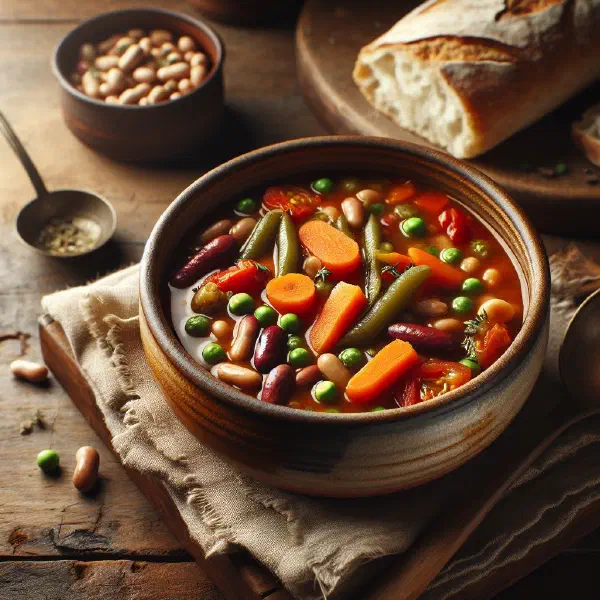
For anyone eating a vegan or vegetarian diet, samp and beans is an excellent choice. The pairing of maize and beans delivers a complete protein, so the meal stands well on its own. Add fresh vegetables for extra nutrients and flavour, and feel free to lift the dish with different spices or whatever is in season, much as you might with a Bean And Vegetable Stew.
More tips and tricks
To get the fullest flavour from samp and beans, cook the beans fresh each time rather than relying on leftovers from days before. Store dried beans somewhere cool and dry to keep them at their best. If you are making a larger batch, the dish freezes well, so a nourishing meal is never far away. It is also worth experimenting with different herbs and spices to tune the recipe to your own taste.
Adapting the recipe to your taste
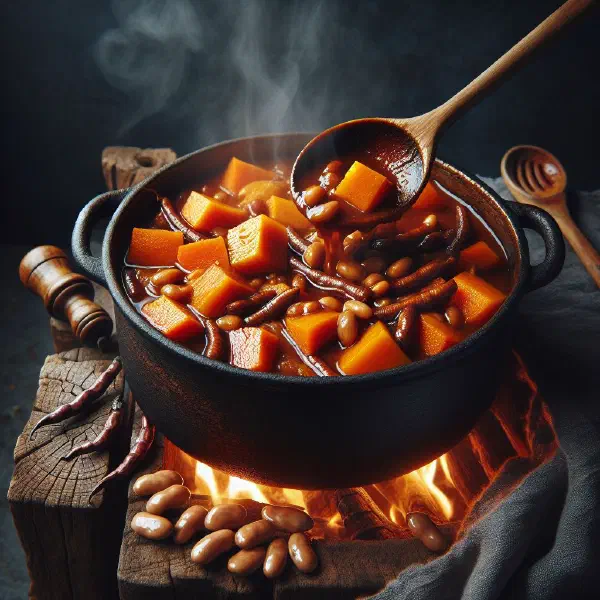
There are plenty of ways to make samp and beans your own. Try different pulses, kidney beans or chickpeas both work beautifully and bring a slightly different character to the pot. For a hotter version, add extra chillies or a pinch of chilli powder. You can also fold in vegetables such as carrots or spinach to raise the nutrient density and bring more colour to the plate.
Ingredient substitutions
If you have no black or red beans to hand, chickpeas or green beans make excellent alternatives and are prepared in much the same way. In place of palm oil, olive oil or coconut oil both work well and round the dish off with slightly different notes. This flexibility makes samp and beans a genuinely adaptable recipe, easy to vary to suit whoever is eating.
Drink pairing ideas
Refreshing drinks suit samp and beans best, cutting through its savoury depth. A fruity juice blend or a cool lemonade is an ideal companion. For something more traditionally Zambian, a glass of Munkoyo makes a lovely match, though a mild red wine also holds its own. Chilled unsweetened water with a slice of lemon is another simple, refreshing option.
Serving and presentation ideas
Thoughtful presentation can lift the whole samp and beans experience. Serve the dish in colourful bowls and garnish it with fresh herbs such as parsley or coriander. A side of grilled vegetables or a crisp Tomato And Onion Salad adds extra colour and texture to the plate. A little care with serving turns a good meal into one that pleases the eye as well as the appetite.
A bit of history
Samp and beans has a long tradition in Zambian cooking and is more than simply nourishing food. It is a small symbol of the country’s culture. It is often served at feasts and celebrations, and it has a knack for bringing families together around one pot. The dish has its roots in locally grown maize and beans, staples that have sustained Zambian households for generations. Sustainable and dependable, these ingredients sit at the heart of Zambian cuisine and of the country’s sense of itself.
More recipe ideas
Summary: Samp and Beans
Samp and beans is an ideal marriage of nutrition and flavour, and it deserves a place of honour in any Zambian kitchen. With simple ingredients and a straightforward method, it is both wholesome and remarkably versatile. Let Zambian cooking inspire you and enjoy a dish that comes straight from the heart.