National Dish Zambia: Tomato and Onion Salad (Recipe)
In this article
Discover Tomato and Onion Salad, a bright, everyday favourite from Zambia. Fresh, simple and genuinely good for you, it pairs juicy ripe tomatoes with sharp, aromatic onions in a dressing of oil and citrus. It takes minutes to put together, needs no cooking at all, and brings a little of southern Africa’s love of fresh produce straight to your table, as a side dish, a light lunch or a colourful addition to any spread.
About Tomato and Onion Salad
Tomato and Onion Salad is a much-loved dish in Zambia, valued as much for its freshness as for how healthy it is. It brings together juicy tomatoes and aromatic onions, a pairing that balances sweetness, sharpness and texture beautifully. The salad is endlessly adaptable, so you can build it around whatever you happen to enjoy or have in the house. It puts a piece of African food culture on your plate.
Ingredients (serves 1–2)
- 2 large, ripe tomatoes
- 1 large onion
- 1–2 tablespoons olive oil
- 1 tablespoon lemon juice
- Salt and pepper, to taste
- Fresh herbs of your choice (parsley or coriander, for example)
Shopping for the ingredients
The ingredients for a tomato and onion salad are stocked by almost every supermarket, and they are often even better bought fresh from a weekly market. When choosing tomatoes, look for fruit that is ripe but still firm, as that gives you the fullest flavour. The onions should be fresh too, with no soft or bruised patches. Fresh herbs are worth picking up as well. They add a lovely aroma and a useful dose of extra nutrients.
Preparing the dish
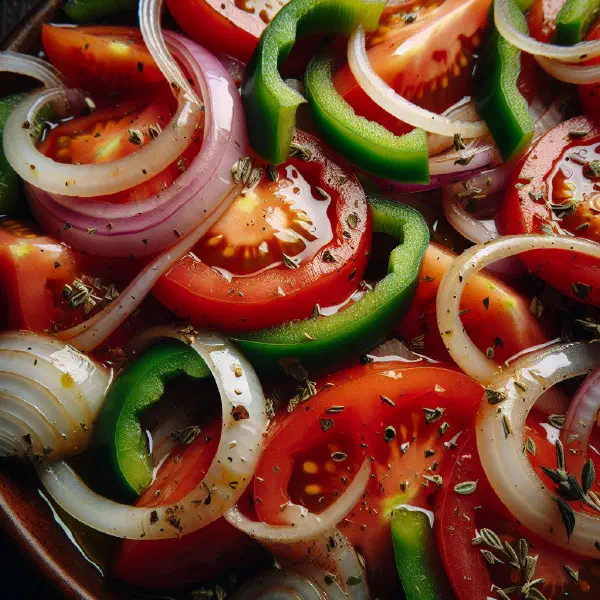
Good preparation makes all the difference to a tasty tomato and onion salad. Begin by washing the tomatoes and onions thoroughly. Then cut the tomatoes into even pieces and slice the onion into fine rings or dice it, whichever you prefer. Because nothing is cooked, the freshness of your produce is what carries the dish, and it is exactly what will impress your guests.
Step-by-step instructions
- Cut the tomatoes and onions to your preferred size and shape.
- Tip the prepared vegetables into a bowl and toss them together gently.
- Add the olive oil and lemon juice, then mix everything through well.
- Season with salt, pepper and fresh herbs, and leave the salad to stand briefly so the flavours mingle.
Gluten-free / lactose-free version
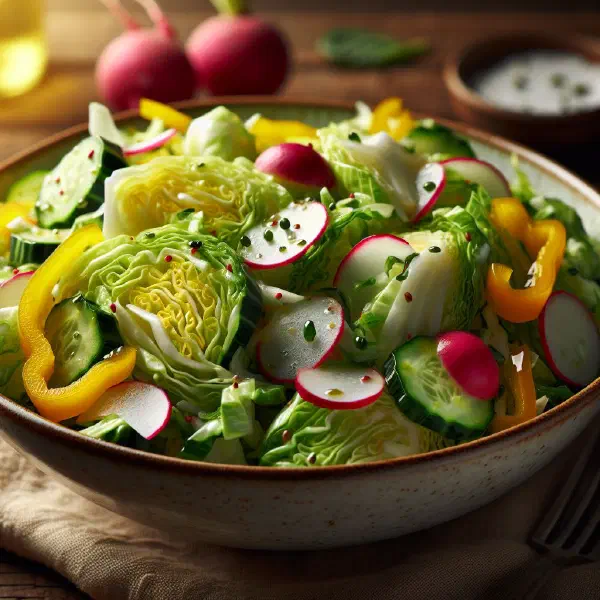
Tomato and onion salad is naturally gluten-free and lactose-free, which makes it an excellent choice for anyone with food intolerances. Every ingredient in the basic recipe suits both diets, so you can serve it without a second thought. That means everyone at the table, family or guests, can tuck in. Just check that any extras you add meet the same criteria, much as you would with a bowl of Cabbage Salad.
Tips for vegans and vegetarians
Since the salad contains no animal products at all, it is ideal for vegans and vegetarians. You can even build it up into a main course within a plant-based diet. Add avocado or chickpeas, for instance, to create a protein-rich version. That deepens the flavour and makes the dish considerably more sustaining.
More tips and tricks
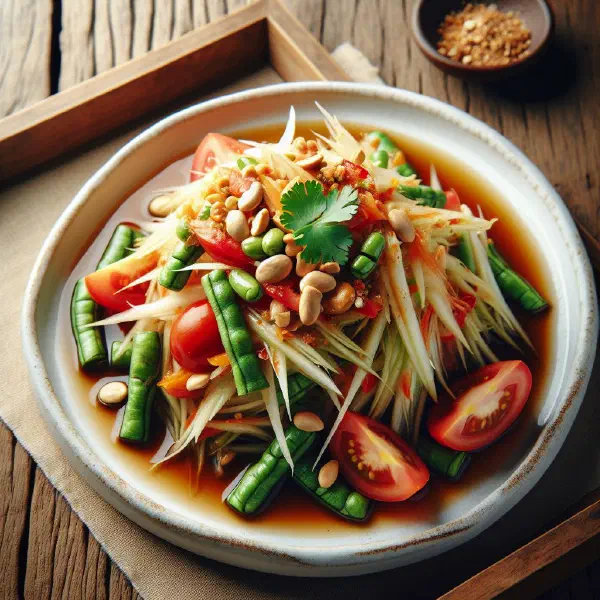
To make your tomato and onion salad even better, try playing with different spices and herbs. A little chilli or garlic gives it a pleasant kick, while switching between different kinds of olive oil or vinegar shifts the whole character of the dressing. Let your imagination run and adjust the ingredients to suit yourself, the same free-hand approach works well with a Papaya Salad.
Adapting the recipe to your taste
The great advantage of this salad is how versatile it is and how readily it takes to being changed. If you are not keen on onions, swap them for peppers or cucumber. Adding feta or another sheep’s cheese lends the salad a new dimension altogether. Try a few combinations until you land on your own perfect version of this traditional dish.
Ingredient substitutions
If you have no fresh herbs to hand, dried ones will do. Just use rather less of them. Should you want the salad a touch sweeter, a pinch of sugar or a drizzle of honey does the job nicely. For an Asian slant, a splash of soy sauce works beautifully. Remember to adjust everything to your own palate to create the tomato and onion salad you like best.
Drink pairing ideas
A refreshing salad like this goes wonderfully with light drinks. A glass of cold water with a squeeze of lemon, or a freshly brewed iced tea, makes a perfect companion. For a special occasion you might pour a rosé wine or mix a summery cocktail; a traditional local option such as Maheu is well worth trying too. The right drink rounds off the whole experience.
Serving and presentation ideas
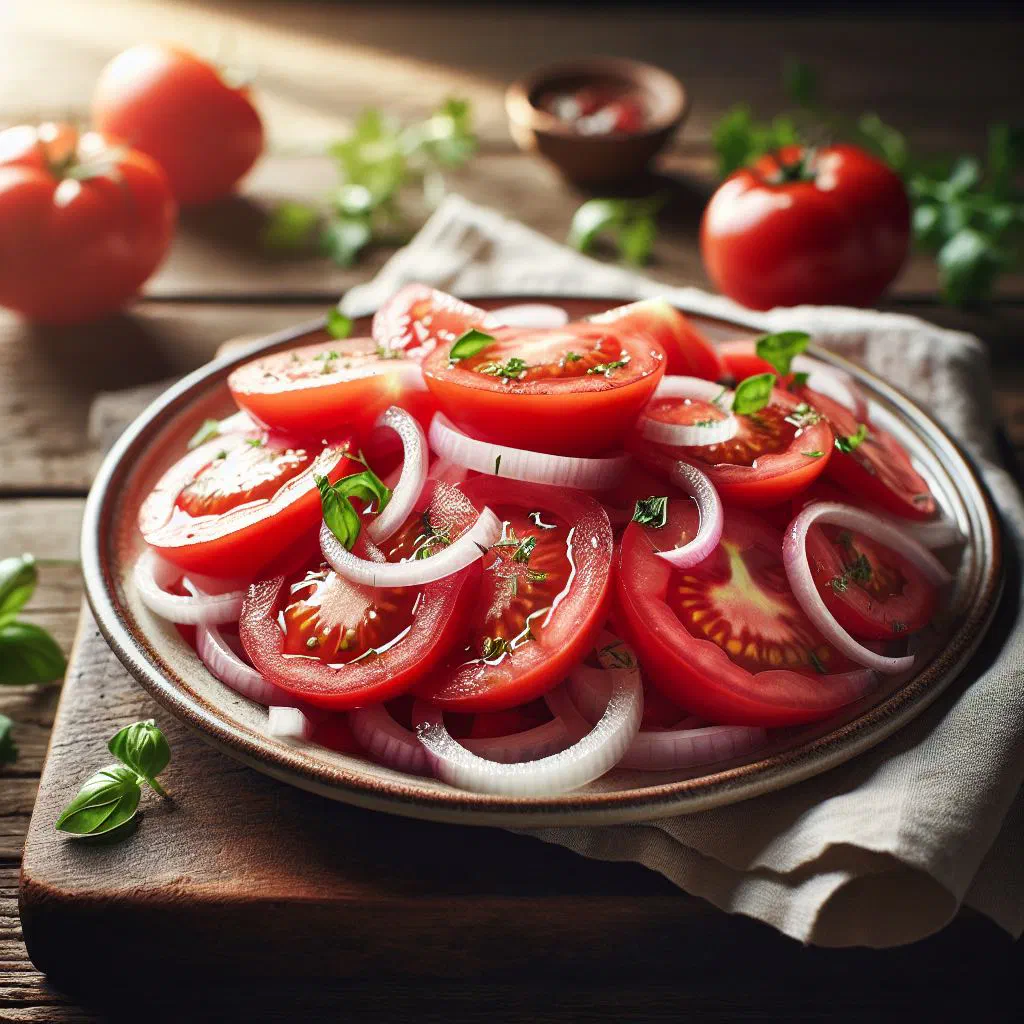
To show the salad off properly, arrange the ingredients on an attractive serving platter. Scattering fresh herbs over the top gives the dish an inviting finish. A bowl set on linen or a wooden board creates a pleasingly rustic look. A little thought given to presentation goes a long way towards making the dish shine within the wider meal, especially served beside a staple like Nshima.
A bit of history
The salad has its roots in Zambian cooking, which is shaped strongly by local produce and small-scale agriculture. The dish reflects the affection for fresh, wholesome food found across many African cultures. Beyond Zambia it has won followers in a number of neighbouring countries as well. It is not merely a salad served often, but something of a symbol of connection to the region and its harvests, a hallmark of Zambian cuisine.
More recipe ideas
Summary: Tomato and Onion Salad
Tomato and onion salad is a refreshing, healthy side dish that could hardly be simpler to make. With just a handful of ingredients you can put something on the table that satisfies the eye as much as the palate. Remember how flexible it is: almost every element can be swapped or tuned to your own liking. Enjoy this small piece of African food culture, whether at a celebration or as part of an ordinary weekday meal.