National Dish Zambia: Traditional Millet Beer (Recipe)
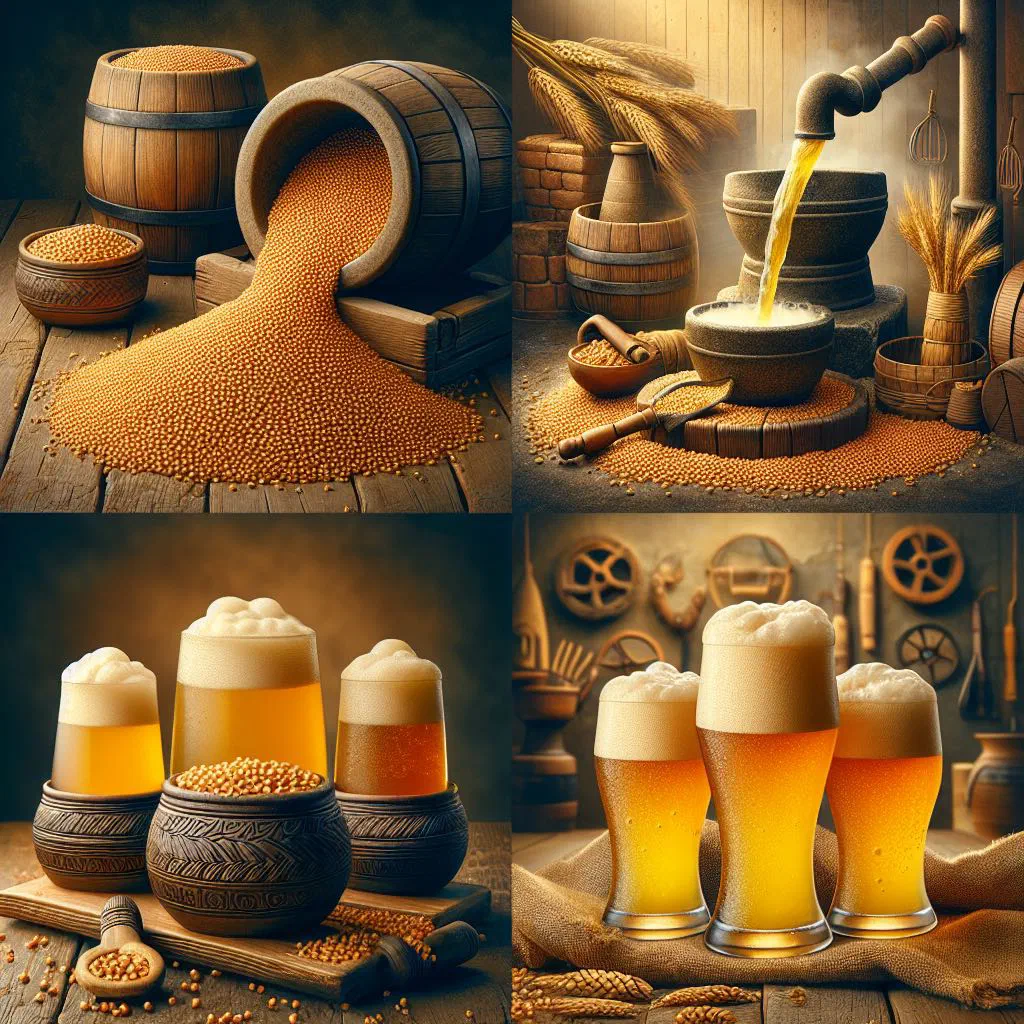
In this article
Meet Traditional Millet Beer, a cloudy, gently tangy brew that has quenched thirsts across Zambia for generations. Made from little more than millet, water and patience, it is as much a social ritual as a drink, poured at weddings, harvest celebrations and quiet evenings alike. The method is simple enough for any curious home cook, yet the result tastes unmistakably of the African plains. Here is how to bring that flavour into your own kitchen.
About Traditional Millet Beer
Traditional Millet Beer is a vivid example of Zambia’s culinary roots, bridging age-old custom and modern enjoyment. It is made chiefly from millet, one of the region’s most important staple grains. The brewing process is an art in its own right, often handed down from one generation to the next. In this article you will learn how to prepare this refreshing drink yourself, and what cultural weight it carries.
Ingredients (serves 1–2)
- 200 g millet
- 2 l water
- 1/2 teaspoon salt
- 1 teaspoon sugar (optional)
Shopping for the ingredients
To brew an authentic millet beer you need fresh, top-quality ingredients. Millet is stocked by African grocers and by well-supplied supermarkets. Look for unhulled millet, as it carries more nutrients and gives a deeper aroma. Alongside the grain, use clean fresh water and, if you would like a touch of natural sweetness, consider organic sugar. The same care in sourcing pays off in every Zambian staple, from Millet Porridge to a bowl of Nshima.
Preparing the dish
Preparation is the decisive step for millet beer, as it shapes both the flavour and the quality of the finished drink. Begin by cleaning the millet thoroughly to remove dust and any impurities. This is best done under running water, swirling the grains a few times as you rinse. Let the millet drain properly before you move on to cooking, so the beer turns out pleasantly clear and full of flavour.
Step-by-step instructions
- Bring the millet to the boil in a large pan with 2 litres of water.
- Simmer over low heat for about 30 minutes, until the grains are soft.
- Take the pan off the heat and leave the mixture to cool.
- Pour everything through a sieve and strain off the grains to collect the liquid.
- Return the strained liquid to the pan and season with salt and sugar to taste.
- Bottle the millet beer and store it in the fridge.
Gluten-free / lactose-free version
Traditional Millet Beer is naturally both gluten-free and lactose-free, since millet contains no gluten and no dairy is used at any stage. That makes the recipe ideal for anyone with intolerances or particular dietary requirements. Do check that every ingredient you add, sugar above all, is certified gluten-free as well. Then you can sip away without a second thought and enjoy the drink to the full.
Tips for vegans and vegetarians
Millet beer suits vegans and vegetarians just as well, because the main ingredients are entirely plant-based. To be sure your drink really is vegan, steer clear of non-vegan additions such as gelatine hiding in other products you might want to use. Instead of sugar you can also reach for alternative sweeteners like agave syrup or coconut blossom sugar. The result is a tasty, nourishing drink that fits neatly into a plant-based diet.
More tips and tricks
A few small tricks can lift the quality of your millet beer considerably. Toasting the millet before boiling, for instance, gives it a lovely nutty aroma. Playing with the amount of sugar helps you land on exactly the flavour you want. Remember too that cool storage intensifies the aromas: let the beer rest in the fridge for a few days before serving, much as you would with a batch of Munkoyo.
Adapting the recipe to your taste
Traditional millet beer is easy to tailor to personal preference. Experiment with other spices, ginger or cinnamon work particularly well, to add an intriguing note. The sweetness is equally adjustable: use less sugar to let the natural mildness of the millet come forward. If you prefer it barely sweet at all, leave the sugar out entirely and enjoy the plain, grainy flavour of the millet.
Ingredient substitutions
If you have no millet to hand, alternatives such as quinoa or barley are worth trying, though the flavour profile will shift. For the sweetener, honey or date syrup both do the job nicely. Substitutions like these can produce genuinely interesting results. Bear in mind, though, that both the consistency and the alcohol content may change, which will affect the outcome.
Drink pairing ideas
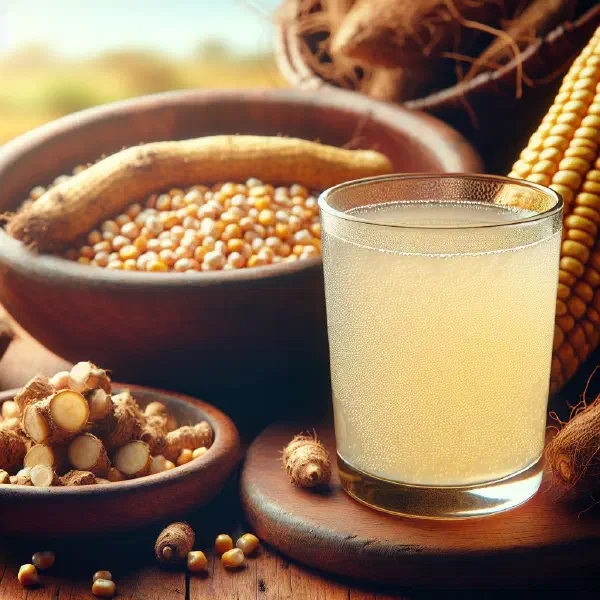
Millet beer is an excellent drink in its own right, yet other beverages sit happily beside it. Serve it with a refreshing mint tea or a fruity smoothie to round out the flavours, or simply pour a glass of sparkling mineral water alongside. A cool cup of Maheu makes another fitting companion. Each of these options deepens the tasting experience and rounds off the evening.
Serving and presentation ideas
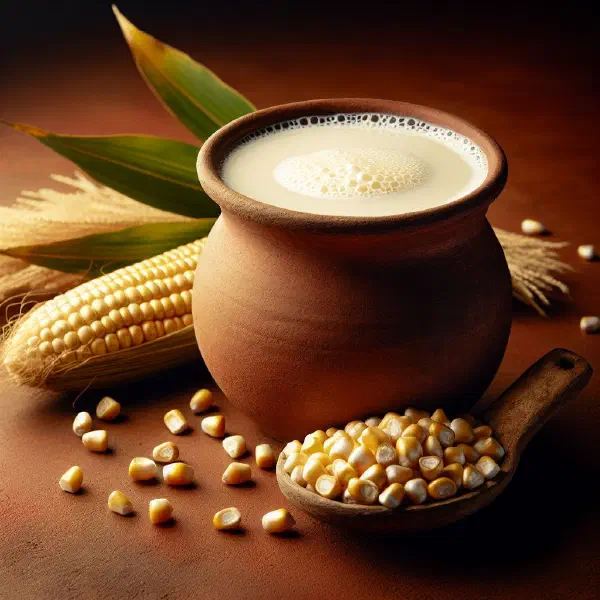
The way you present your millet beer can leave a lasting impression on guests. Serve it in traditional glasses or clay jugs for an authentic touch. Add a few fresh herbs or a slice of citrus as a garnish to create visual interest. A handsome tray of small snacks, some Sweet Potato Fritters, perhaps, will only heighten the effect.
A bit of history
Millet beer has a long tradition in Zambia and has historically been an essential part of cultural life. Across many African cultures it served not only as a drink but as an offering at religious and communal festivals. Brewing was, and still is, a shared activity that draws families and whole communities together. The drink is therefore far more than a pleasure: it is a meaningful thread in the social fabric of many Zambian regions and a cornerstone of Zambian cuisine.
More recipe ideas
Summary: Traditional Millet Beer
Traditional millet beer is more than a drink. It is a piece of culture and history that you can recreate quite easily at home. With fresh ingredients and a little patience you can conjure up a refreshing brew that is perfect for sociable occasions. This recipe will not let you down. Bring the flavour of Africa into your kitchen and share this special drink with friends and family.