National Dish Zimbabwe: Biltong (Recipe)
In this article
Discover Biltong, Zimbabwe’s most famous cured-meat speciality. Our straightforward recipe shows you how to make this deeply savoury, air-dried delicacy in your own kitchen. Spiced with coriander, black pepper and a splash of cider vinegar, it is the perfect snack for a braai evening, a long hike or simply an afternoon that needs something more interesting than crisps.
About Biltong
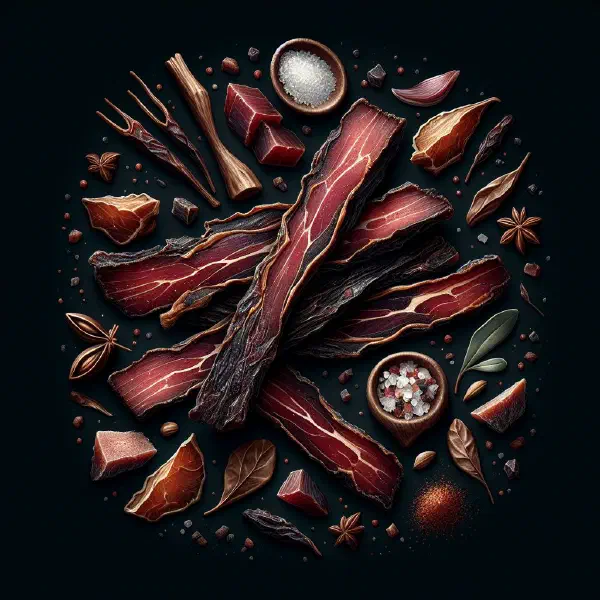
Biltong is one of the best-known meat specialities from Zimbabwe, and it is increasingly appreciated far beyond southern Africa. This air-dried meat has its roots in traditional African cooking, where it served as provisions for long journeys across country that offered no refrigeration. The simple preparation and the weighty, concentrated aroma have made biltong a favourite snack for generations. With the right recipe you can make and enjoy this delicacy easily at home.
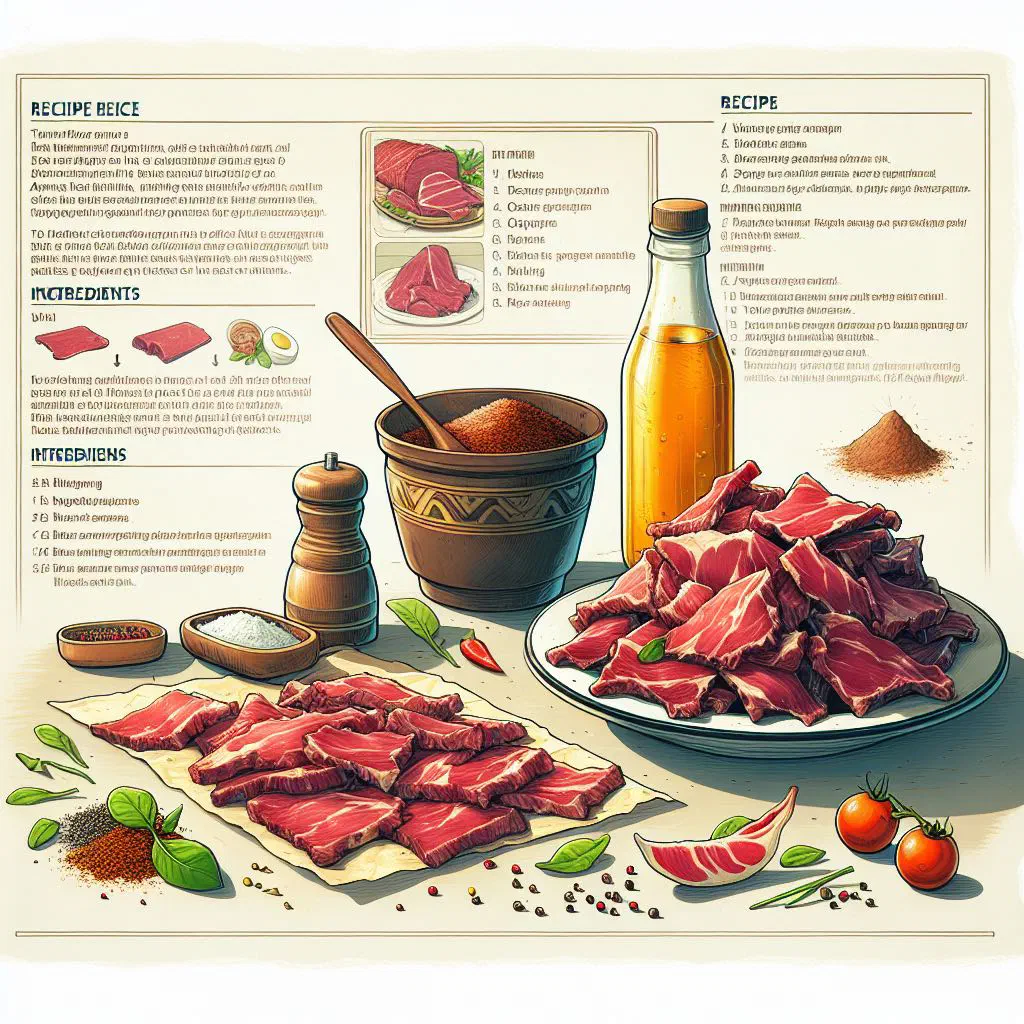
Ingredients (serves 1–2)
- 500 g beef (topside or fillet, for example)
- 2 tablespoons coarse salt
- 1 tablespoon black peppercorns
- 1 tablespoon coriander seeds
- 1–2 teaspoons chilli powder (to taste)
- 100 ml cider vinegar
Shopping for the ingredients
To get the best results from your biltong, choosing good-quality beef matters more than anything else. Go to a local butcher or a proper meat counter where someone is willing to cut fresh meat to your specification. Coarse spices such as pepper and coriander should also be fresh and well sealed, so that the aroma stays intense. When picking your cider vinegar, check that it contains no added sugar or preservatives, so the clean flavour of the biltong comes through undisturbed.
Preparing the dish
Before you start making biltong, the meat needs to be prepared properly. Cut the beef against the grain into even strips roughly 1 to 2 cm thick. This is crucial: it ensures the biltong dries evenly and the texture turns out as it should. Once the strips are cut, it helps to pat the meat dry with kitchen paper to remove any excess moisture that could slow the drying process down.
Step-by-step instructions
- Coarsely grind the black peppercorns and coriander seeds, then mix them with the salt and chilli powder.
- Marinate the beef in the cider vinegar, then rub it all over with the spice mixture.
- Hang the strips on a rack or a drying line, leaving a gap of about 2–3 cm between them.
- Leave the biltong to dry in a cool, airy room or a dedicated dehydrator for around 5–7 days, until it has reached the firmness you want.
- Take the biltong down and let it cool a little before slicing it into pieces and tucking in.
Gluten-free / lactose-free version
Biltong is naturally gluten-free and lactose-free, which makes it an ideal snack for anyone with those intolerances. There are no extra ingredients carrying gluten or lactose, so the recipe can be enjoyed without a second thought. Do check, though, that all your spices and vinegars are likewise free from gluten-containing additives. That way you can be sure your biltong stays both delicious and genuinely suitable.
Tips for vegans and vegetarians
There are several routes to a vegan or vegetarian alternative to biltong. Some cooks make dried fruit bars or vegetable crisps that offer comparable flavours and textures. Marinated and air-dried seitan is another interesting option, since its texture is genuinely reminiscent of meat. Experiment with spices and marinades until you hit the flavour you are after, the same peanut-forward seasoning used in Muriwo Unedovi works surprisingly well as a rub.
More tips and tricks
When you make your biltong, small changes to the marinade can produce large differences in flavour. Add lightly smoked paprika or garlic, for instance, to build in extra depth. The drying time can be adjusted too: if you prefer your biltong softer, take it down after only 4–5 days. Your own palate will always be the best guide when it comes to biltong.
Adapting the recipe to your taste
The great thing about making biltong is how readily the recipe adapts. Experiment with different meats such as venison or lamb to arrive at distinctive flavours of your own. The spice blend is just as flexible, instead of chilli powder you might reach for another fiery seasoning such as a hot pepper sauce. By combining different ingredients you can create a new version of biltong every single time.
Ingredient substitutions
There are plenty of alternatives to fall back on, depending on personal taste and what is available. Instead of beef you can use chicken or pork, both of which take to the biltong treatment well. If you have no cider vinegar to hand, rice vinegar or lemon juice will provide a similar acidity. Cooks who like a leaner, spicier route often draw on the same pantry as Sun-Dried Meat Relish. Use the many options open to you to make your biltong your own.
Drink pairing ideas
To round off the biltong experience, several drinks work particularly well. A fruity red wine or a light beer stands up beautifully to the savoury, concentrated flavours of the meat. For an alcohol-free option, sparkling water with lemon is refreshing, as is a fruit smoothie or a chilled Baobab Fruit Drink. Pair your biltong thoughtfully and the whole thing lifts considerably.
Serving and presentation ideas
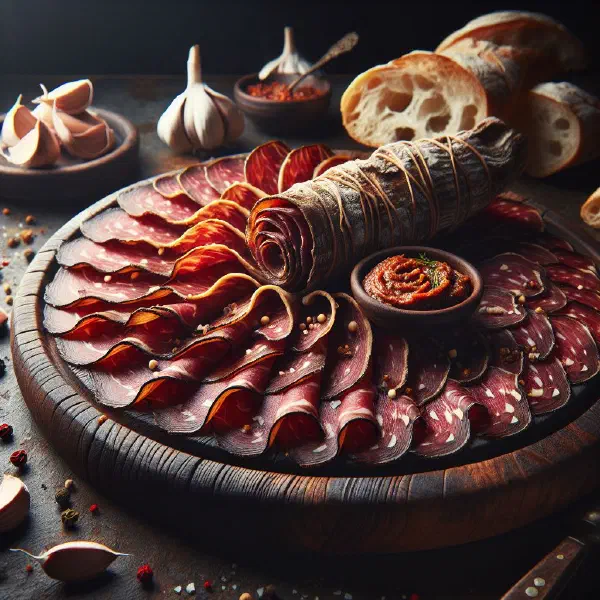
The way you present your biltong can increase the pleasure of eating it. A rustic wooden board or an attractive ceramic bowl looks inviting and understatedly stylish. Slice the biltong into even, appetising pieces and garnish with fresh herbs such as rosemary or thyme. A well-judged arrangement improves the overall impression both visually and, oddly enough, in terms of how it tastes.
A bit of history
Biltong has its origins in the 17th century in southern Africa, where it was developed as a way of keeping meat edible over long periods. People learnt to preserve meat through drying and spicing, a skill that was essential for survival in harsh conditions. Over time biltong became not merely a practical food source but a genuine culinary pleasure, passed down from one generation to the next. Today it is a fixture of Zimbabwean cuisine and has found admirers all over the world.
More recipe ideas
Summary: Biltong
In short, biltong is a delicious speciality from Zimbabwe and something you can genuinely make at home. With good ingredients and a few simple steps, you can recreate this delicacy in your own kitchen. Whether as a snack between meals or as the highlight of a sociable evening, biltong is guaranteed to win people over. Give our recipe a go and let the aromas of African cooking work their magic.