National Dish Zimbabwe: Kapenta and Sadza (Recipe)
In this article
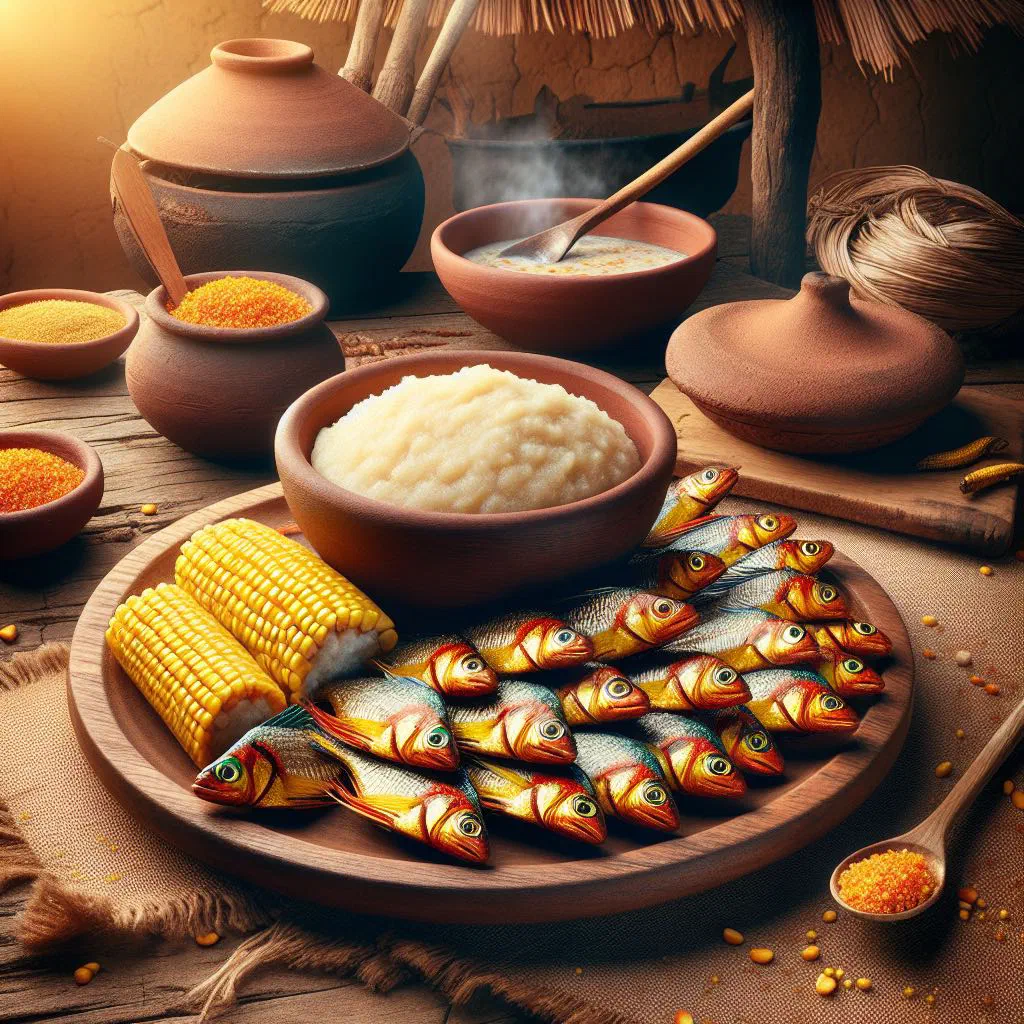
Discover Kapenta and Sadza, the dish that sits at the very heart of Zimbabwean home cooking. Tiny, protein-packed freshwater fish are fried until golden and served alongside a generous mound of soft, creamy maize porridge. It is simple, filling and deeply satisfying, the kind of plate that has fed families around Lake Kariba for generations. Bring the honest, comforting flavours of southern Africa to your own table.
About Kapenta and Sadza
Kapenta are small silvery fish found in the lakes and rivers of Zimbabwe, and they are an outstanding source of protein. They are prized for their intense, savoury flavour and for how little effort they take to cook. Paired with sadza, the beloved maize porridge eaten across the country, they make a hearty meal that is both filling and genuinely nourishing. The preparation is straightforward and the result is a real treat, one that reflects the culture and traditions of Zimbabwe on every plate.
Ingredients (serves 1–2)
- 200 g kapenta
- 250 g maize meal
- 1 litre water
- 2 tablespoons oil (sunflower oil, for example)
- Salt to taste
- Pepper to taste
- Optional: onions and tomatoes for a relish
Shopping for the ingredients
The ingredients for kapenta and sadza are reasonably easy to track down. Many African and Asian grocery shops stock kapenta, sold either fresh or in its more common dried form. Maize meal is widely available too and can be found in most larger supermarkets or ordered online. While you are shopping, pick up fresh onions and tomatoes if you would like to serve a tasty relish alongside, the same base that underpins a classic Tomato and Onion Relish.
Preparing the dish
Before you start cooking, make sure everything is measured out and within reach. Rinse the kapenta thoroughly to wash away any grit or residue, particularly if you are using the dried variety. Put the water for the sadza on to boil in a large, heavy-based pan. In the meantime, chop the onions and set them aside if you plan to use them.
Step-by-step instructions
- Bring 1 litre of water to the boil in a large pan.
- Add 2 tablespoons of oil and a pinch of salt.
- Mix the maize meal with a little cold water in a bowl to form a smooth paste.
- Pour the paste gradually into the boiling water, stirring steadily to prevent lumps forming.
- Cook the sadza for around 15–20 minutes, until thick and creamy.
- In a separate frying pan, fry the kapenta with the onions (if using) until golden brown.
- Serve the kapenta alongside the sadza on a warm plate.
Gluten-free / lactose-free version
Anyone with a gluten intolerance should choose a certified maize meal to be sure the dish stays fully gluten-free, as cross-contamination in milling can be an issue. Sadza is naturally lactose-free, so the meal already suits those who avoid dairy. If you prefer, a blend of gluten-free flour alternatives can stand in for part of the maize meal. Small adjustments like these make the dish accessible to a much wider table.
Tips for vegans and vegetarians
Kapenta and sadza adapts readily to vegan and vegetarian eating. In place of the fish, fry seasonal vegetables such as courgette or aubergine for a similar texture and savoury depth. Tofu or tempeh are excellent protein-rich stand-ins that take on seasoning beautifully. A plate of Muriwo Unedovi makes another wonderful meat-free partner for sadza. Let your imagination lead and you will still end up with a meal that satisfies just as fully.
More tips and tricks
To bring out even more flavour, add spices such as cumin or paprika to the frying pan. Fresh herbs like coriander or parsley lift the finished dish and add brightness. The most important trick is to keep stirring the sadza constantly so it cooks evenly and never catches on the base of the pan. These small refinements make a surprisingly big difference to the end result.
Adapting the recipe to your taste
Kapenta and sadza leaves plenty of room for personal preference. Use more or fewer onions depending on how you like it, add chilli for a fiery kick, or fold in whatever vegetables are in season. The proportions of fish to porridge can be adjusted freely too, depending on appetite. Bring your own preferences to the pan and the dish quickly becomes your own.
Ingredient substitutions
If kapenta proves hard to find, mackerel or herring make excellent alternatives, and dried anchovies work well in a pinch. For the porridge itself, millet meal is a fine swap if you prefer a different grain, much as in a traditional Millet Sadza. Substitutions like these let you build in what is available locally or what suits your taste, while keeping the authentic character of the dish intact.
Drink pairing ideas
A number of drinks go beautifully with kapenta and sadza. A cold, refreshing lemonade or a glass of malty beer is the popular choice at most tables. For an alcohol-free option, fruit juices or a fragrant herbal tea such as a Zimbabwean Herb-Infused Tea complement the salty fish exceptionally well. Whichever you choose, the right drink rounds off the whole experience.
Serving and presentation ideas
Presentation can raise the enjoyment of kapenta and sadza considerably. Serve the dish on a large, generous platter and garnish with freshly chopped herbs or a wedge of lemon. Attractive tableware helps create an inviting atmosphere and brings out the contrast between the golden fish and the snow-white porridge. Little details like these impress guests and turn an everyday meal into something memorable.
A bit of history
Kapenta and sadza carry deep roots in the kitchens of Zimbabwe. Sadza has been a staple for centuries and is widely regarded as a symbol of local culture and community. Kapenta, by contrast, rose to prominence only in the twentieth century, when the fish were recognised as an affordable and highly nutritious source of protein after being introduced to Lake Kariba. Together they tell a story not just of flavour but of identity, and they remain one of the cornerstones of Zimbabwean cuisine.
More recipe ideas
Summary: Kapenta and Sadza
Kapenta and sadza is a wonderful example of Zimbabwean cooking, full of flavour and nourishment in equal measure. The pairing of tiny, savoury fish with creamy maize porridge delivers both taste and lasting satisfaction. Its flexibility in ingredients and method means almost anyone can adapt it to their own needs. Enjoy this authentic African classic and let the flavours of Zimbabwe win you over.