National Dish Zimbabwe: Maize Porridge (Recipe)

In this article
Discover Maize Porridge, known across Zimbabwe as sadza, the soft, smooth staple that sits at the heart of almost every family meal. Made from nothing more than maize meal, water and a pinch of salt, it is humble cooking at its very best: comforting, filling and endlessly versatile. Serve it beside slow-cooked meat, grilled fish or a bowl of greens, and you have a plate that tells the story of a whole country.
About Maize Porridge
Sadza is far more than a simple dish; it is a cultural symbol in Zimbabwe. This creamy maize porridge is made from maize meal and water, cooked to a smooth, velvety consistency. As the traditional staple food it accompanies an enormous range of dishes, whether meat, fish or vegetables. The method has been passed down from generation to generation and remains a cornerstone of Zimbabwean eating culture, appearing on the table at everyday suppers and celebrations alike.
Ingredients (serves 1–2)
- 1 cup maize meal (preferably finely milled)
- 3 cups water
- A pinch of salt (optional)
Shopping for the ingredients
For sadza it is important to choose good-quality maize meal. Maize meal is stocked by many supermarkets as well as specialist African grocers. Check that the packet is well sealed and fresh, as this makes a real difference to the finished flavour. Pay attention to your water too. Use clean, filtered water so that nothing detracts from the taste of the dish.
Preparing the dish
Preparing sadza is straightforward, but it does call for a little patience and care. Begin by measuring out the maize meal and the water. It helps to tip the maize meal into a large bowl beforehand so you can work towards an even consistency without lumps. If you like, add a pinch of salt to bring the flavour forward.
Step-by-step instructions
- Bring 3 cups of water to the boil in a large, heavy pan.
- Add 1/4 cup of maize meal to the boiling water and stir well to avoid lumps forming.
- Reduce the heat and let the mixture continue cooking at a gentle simmer.
- After about 10 minutes, gradually add the remaining maize meal while stirring continuously.
- Keep cooking until the sadza is firm yet creamy and pulls away from the sides of the pan.
- Shape the finished sadza into a smooth round mound and let it cool a little before serving.
Gluten-free / lactose-free version
One of the lovely things about sadza is that it is naturally gluten-free. If you follow a gluten-free diet, this dish is an excellent choice. It also contains no dairy whatsoever, which makes it equally suitable for anyone who is lactose intolerant. You can enjoy sadza without a second thought about either of these allergies, a rare quality in a staple this satisfying.
Tips for vegans and vegetarians
Sadza is a plant-based dish and therefore ideal for vegans and vegetarians. Pair it with a wide variety of vegetables and pulses to build a nourishing, complete meal, a bowl of Muriwo Unedovi is a classic partner. Vegetable sauces and plant proteins such as beans or groundnuts will lift the nutritional value further. Experiment with different sides until the plate suits your taste exactly.
More tips and tricks
To make perfect sadza, the key is getting the ratio of water to maize meal right. Too much water leaves the porridge loose and sloppy, while too little dries it out and makes it crumbly. Stirring constantly is just as important, so that nothing catches on the base of the pan and the texture stays even throughout. If lumps do appear, work them out with a sturdy wooden spoon or a whisk until the mixture is smooth again.
Adapting the recipe to your taste
Sadza is highly adaptable and takes well to different flavours and additions. For a richer version, cook it with stock or coconut milk in place of some of the water, much as in Coconut Milk Sadza. Stirring herbs or gentle spices into the porridge, or serving them alongside, can also improve the flavour considerably. Do not hesitate to be creative and try new combinations of your own.
Ingredient substitutions
If you have no maize meal to hand, millet flour, rice flour or even quinoa flour will give a similar consistency and a comparable role on the plate; Millet Sadza is the best-known variation. These alternatives can produce a distinctive twist on sadza with new flavour notes to discover. Do adjust the amount of water accordingly, as each flour absorbs liquid differently. Adding aromatic herbs is another easy way to vary the result.
Drink pairing ideas
A number of drinks go beautifully with sadza. A traditional Zimbabwean drink such as Chibuku, a lightly fermented maize beer, often complements the flavours of the meal. Alternatively, serve a freshly pressed fruit juice or a cup of ginger tea to harmonise the flavours. These accompaniments set another highlight on the table and round off the whole eating experience.
Serving and presentation ideas
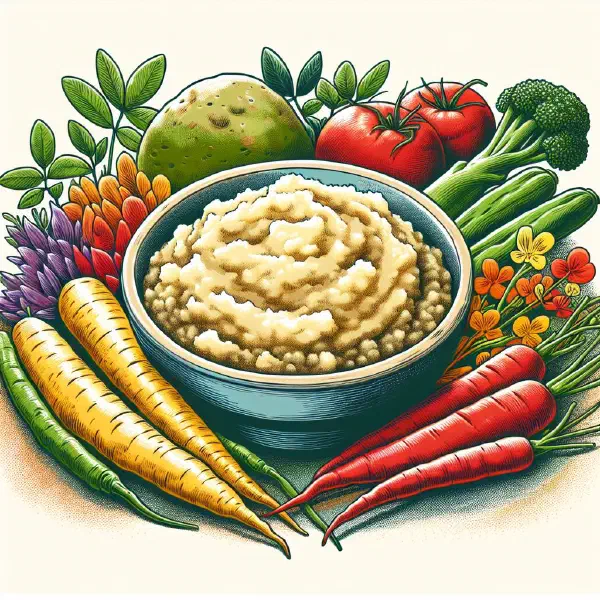
The presentation of sadza can be improved enormously by colourful sides. Serve it on a large platter placed in the middle of the table so everyone can share from it, in the traditional way of Zimbabwean cuisine. Fresh vegetables or juicy cubes of meat, a portion of Beef And Vegetable Stew works perfectly, can be arranged around the mound. Edible flowers or fresh herbs make the plate look striking and add that little extra something.
A bit of history
Sadza has a long tradition in Zimbabwean culture and is an indispensable part of how many families eat. The dish has its roots in the history of migration and agriculture in the region, where maize became established as the principal food crop. At festive occasions and gatherings in particular, sadza is often the centrepiece that brings people together. It symbolises sustenance and community and belonging.
More recipe ideas
Summary: Maize Porridge
In summary, sadza is not only a delicious dish but one with deeply rooted cultural meaning. Its simple preparation, combined with the freedom to pair it with almost anything, makes maize porridge an indispensable part of Zimbabwean cooking. Surrounded by family and friends, it connects generations and celebrates the wonderful flavours of Africa. Try it at home and let this warming, satisfying classic surprise you.