National Dish Zimbabwe: Mangai (Recipe)
In this article
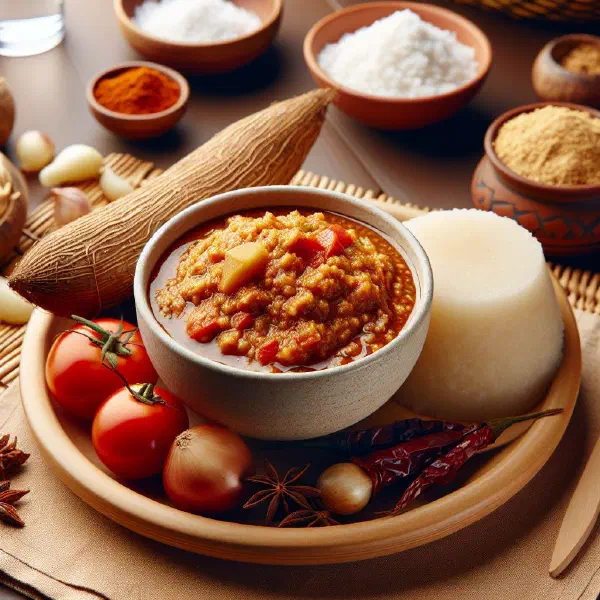
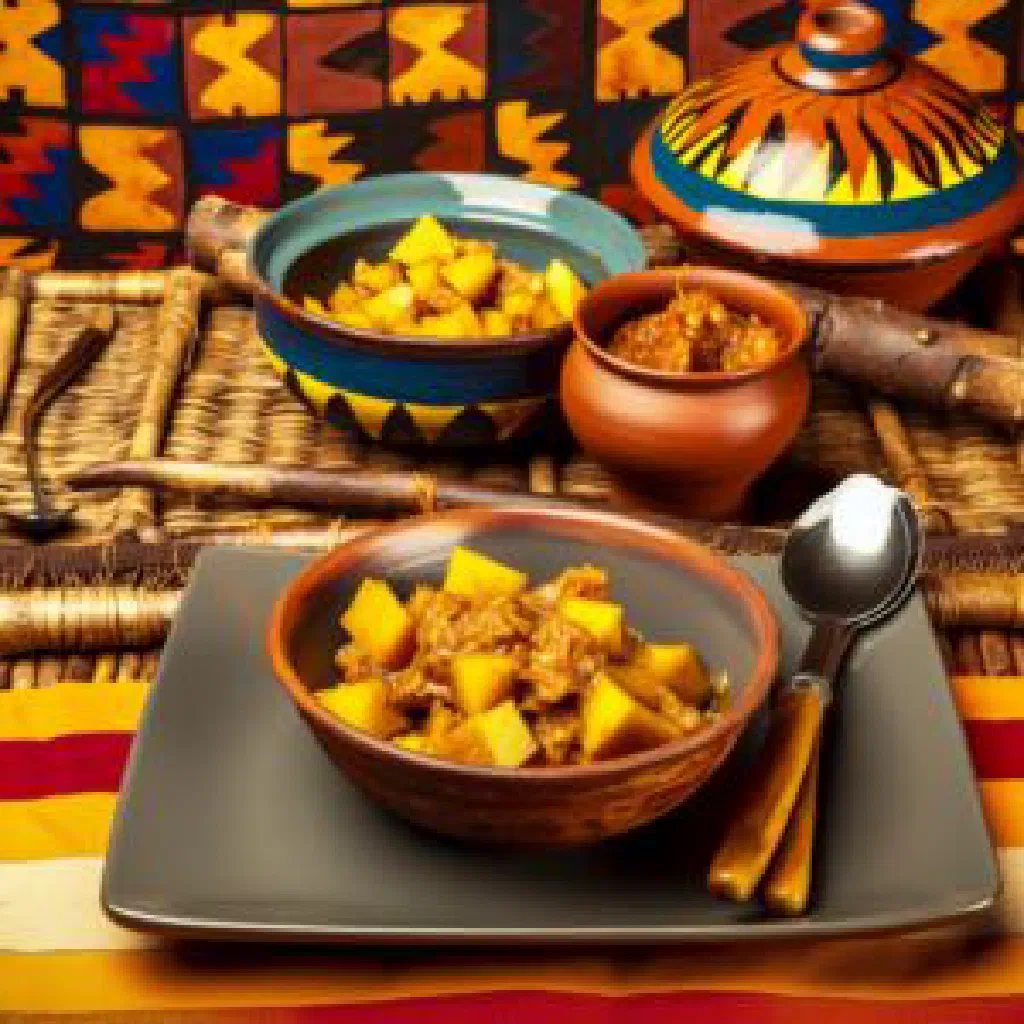
Meet Mangai, a comforting Zimbabwean classic built around one of Africa’s most dependable staples: cassava. Tender chunks of the root are simmered until soft, then folded through a fragrant tomato and onion sauce and served with whatever fresh greens are to hand. It is simple, filling and naturally free from gluten and dairy, the kind of dish that appears at family gatherings and celebrations, yet is easy enough to cook on an ordinary weeknight.
About Mangai
Mangai is a traditional dish from Zimbabwe and a fine example of the country’s rich, varied cooking. At its core it is boiled cassava, usually served with a well-seasoned sauce or a helping of fresh vegetables on the side. Making Mangai is as much a cultural experience as a culinary one, drawing together many of the flavours and customs of Zimbabwe.
Ingredients (serves 1–2)
- 400 g cassava
- 1 teaspoon salt
- 2 tablespoons vegetable oil
- 1 onion, diced
- 2 tomatoes, diced
- Spices to taste (such as paprika and pepper)
- Fresh vegetables (spinach or broccoli, for example)
Shopping for the ingredients
When shopping for Mangai, the most important thing is to choose good-quality cassava. It should be firm and fresh, with no dark patches or signs of mould. Fresh cassava is usually available in African or Asian grocers and at many local markets. The remaining ingredients, onions, tomatoes and fresh greens, are easy to find anywhere, and it pays to pick the freshest you can for the best flavour.
Preparing the dish
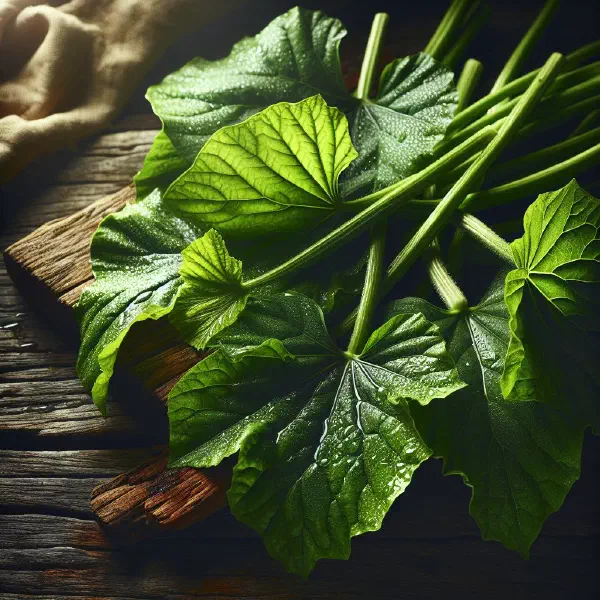
Preparation begins with peeling the cassava, which is easiest with a sharp knife. Take care to remove any hard patches and the fibrous core running through the centre before cutting the root into small pieces. Wash and dice the onions and tomatoes so they cook evenly, and rinse and trim whichever greens you plan to serve alongside.
Step-by-step instructions
- Cut the peeled cassava into small cubes.
- Bring the cassava to the boil in a large pan of salted water.
- Simmer for 20–30 minutes, until the cassava is tender.
- Heat the oil in a frying pan and fry the onions until golden brown.
- Add the diced tomatoes and your spices, then let everything simmer for a few minutes.
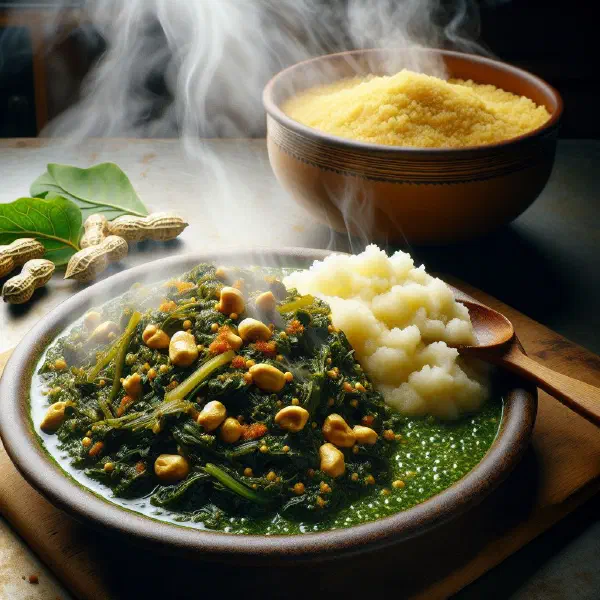
- Stir in the cooked vegetables of your choice and fry briefly.
- Fold the cooked cassava through the sauce, mix well and serve.
Gluten-free / lactose-free version
One of the great advantages of Mangai is that it is naturally gluten-free and lactose-free. The dish is made entirely from plant-based ingredients, which makes it a safe choice for anyone with an intolerance. Do check any bought sauces or spice blends, though, as these can occasionally hide gluten or dairy. With that small precaution, Mangai suits every guest at the table.
Tips for vegans and vegetarians
Mangai is an excellent choice for vegans and vegetarians, as it contains no animal products at all. You can broaden the recipe by adding courgettes or aubergines for more variety, and plant-based oils keep the dish entirely free from animal ingredients. Experiment with different spices to shift the flavour and tailor the dish to your own preferences.
More tips and tricks
A few small refinements will improve your results. Cut the cassava into evenly sized cubes so everything cooks through at the same rate. If you prefer a creamier texture, the boiled cassava can be mashed or puréed instead of left in chunks. Avoid overloading the frying pan, too, the ingredients need room to cook properly and the aromas come through far better when they are not crowded.
Adapting the recipe to your taste
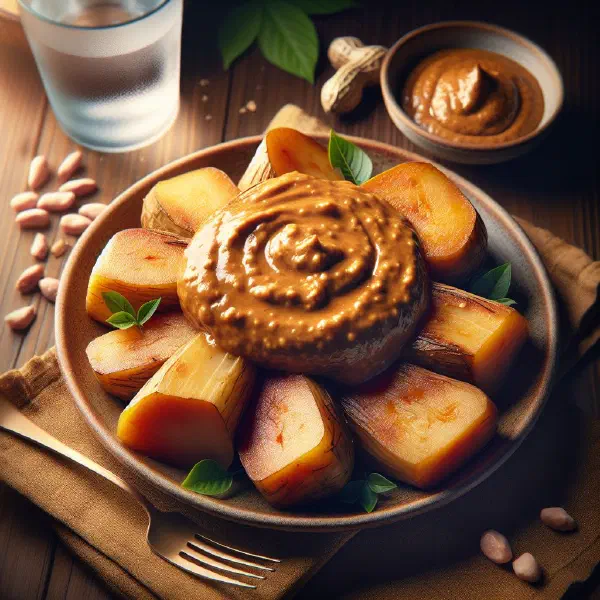
If you have particular preferences or dietary needs, this recipe adapts easily. Spring onions in place of ordinary onions give a milder, gentler flavour, while chilli or cayenne pepper will add real heat. Fresh herbs such as coriander or parsley work beautifully as a finishing touch, adding both flavour and colour. For a richer, nuttier version, take a cue from Boiled Cassava With Peanut Sauce.
Ingredient substitutions
If some ingredients are hard to come by, there are good alternatives. Sweet potatoes can stand in for cassava, offering a similar texture along with a touch of natural sweetness, much as they do in a Sweet Potato Mash. A splash of coconut milk turns the sauce creamier and lends the dish an exotic note. Tomatoes can be swapped for peppers or pumpkin, depending on the season and what is available.
Drink pairing ideas
Plenty of drinks complement Mangai nicely. A refreshing local beer or an unsweetened fruit tea both work well and bring out the flavours of the sauce. For an alcohol-free option, a smoothie made with tropical fruit such as pineapple or mango is a fine choice, as is a chilled Baobab Fruit Drink. Pairings like these keep a pleasant balance between food and drink.
Serving and presentation ideas
Small details make a real difference to how Mangai is received. Serve it on a colourful plate and garnish with fresh herbs. Extra vegetable sides or a smooth avocado cream add variety in both colour and texture. An attractive presentation makes the meal more appealing to look at and heightens the pleasure of eating it.
A bit of history
Mangai has deep traditional roots in Zimbabwean culture. It is often served at large family gatherings and on feast days, which has made it something of a symbol of togetherness and celebration. The use of cassava is no accident: this root vegetable has been valued across Africa for centuries. It is nourishing and inexpensive in equal measure, which makes it a favourite in many households and a cornerstone of Zimbabwean cuisine.
More recipe ideas
Summary: Mangai
Mangai is a delicious and genuinely simple dish that captures the culinary variety of Zimbabwe. With fresh ingredients and a recipe that adapts readily, it suits anyone keen to explore the flavours and traditions of Zimbabwean cooking. Mangai brings both flavour and pleasure to the table. It is well worth trying this distinctive dish and letting the culture of Zimbabwe inspire you.