National Dish Zimbabwe: Sorghum Porridge (Recipe)
In this article
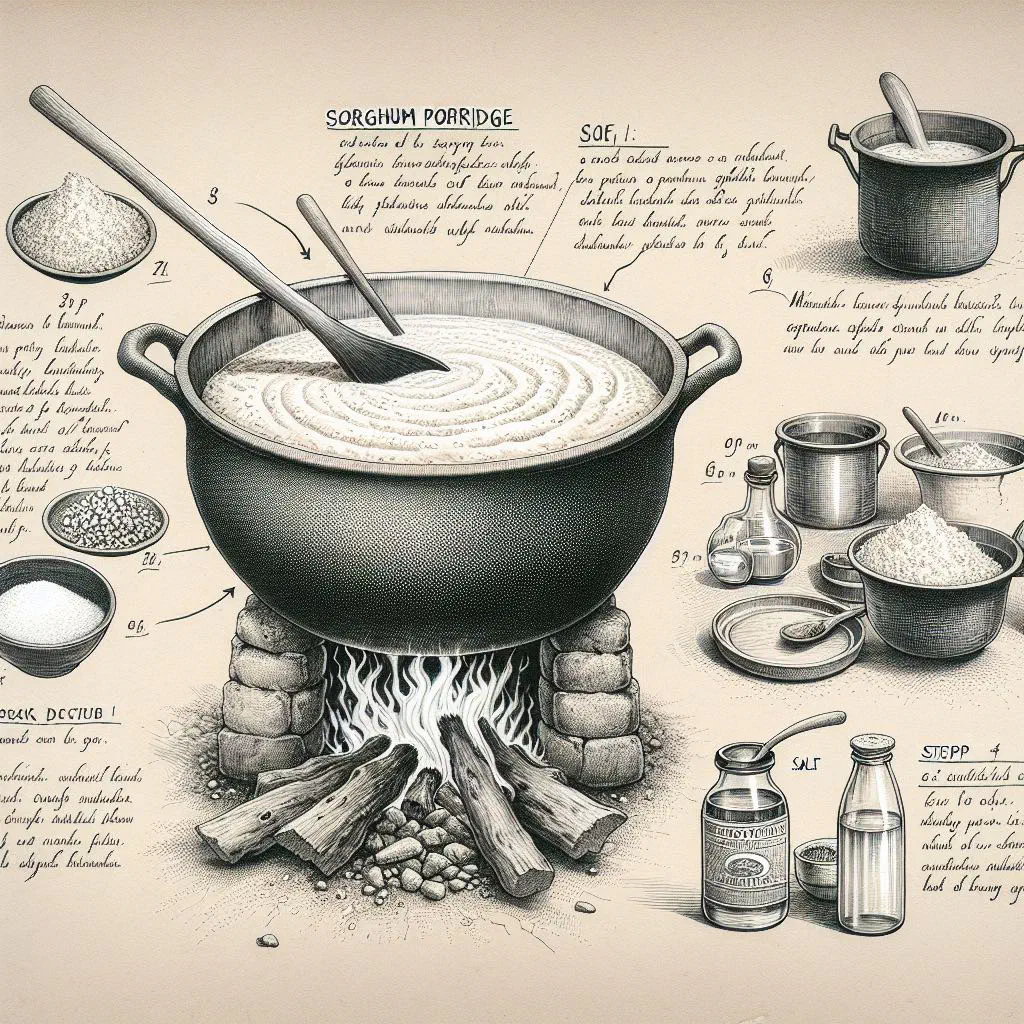
Discover Sorghum Porridge, one of Zimbabwe’s most comforting everyday staples. Made from nothing more than nutrient-rich sorghum flour, water and a pinch of salt, it can swing sweet or savoury depending on your mood. It is filling, naturally gluten-free and endlessly adaptable, a bowl that shows up at breakfast, lunch and dinner tables right across the country. Bring a taste of Zimbabwean tradition into your own kitchen.
About Sorghum Porridge
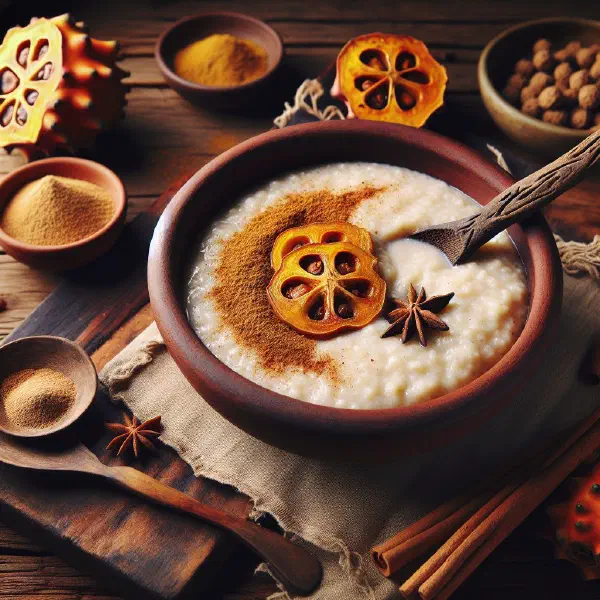
Traditional Zimbabwean Sorghum Porridge, closely related to the country’s beloved sadza, is an indispensable part of the local kitchen. It is made from sorghum flour, a grain particularly rich in nutrients and naturally free from gluten. The dish is nourishing and offers a huge range of preparations, from sweet to thoroughly savoury. Whether at breakfast, lunch or dinner, sorghum porridge has its place on every table in Zimbabwe, much like the classic Sadza that anchors so many meals.
Ingredients (serves 1–2)
- 1 cup sorghum flour
- 4 cups water
- A pinch of salt
- Optional: sugar or honey for the sweet version
Shopping for the ingredients
Sorghum flour is now stocked by many supermarkets as well as African and Asian grocers. It is worth looking for organic flour that is as fresh as possible, so that the natural flavour and the nutrients are properly preserved. Water and salt are easy to come by and usually already in the house. For the sweet version, choose honey or sugar according to your own preference.
Preparing the dish
Getting ready to make sorghum porridge is remarkably simple and takes very little time. First make sure you have all the necessary ingredients to hand. Take a large bowl and mix the sorghum flour with a small amount of water to prevent lumps. This slurry helps you achieve an even consistency before you add the rest of the liquid.
Step-by-step instructions
- Bring the water to the boil in a large pan.
- Add the sorghum flour and water mixture, stirring continuously to avoid lumps.
- Lower the heat and let the porridge simmer for about 15–20 minutes, stirring occasionally.
- Once the porridge has reached the consistency you want, take it off the heat and let it cool briefly.
- Serve the sorghum porridge warm and garnish as you like with sugar, honey or savoury sides.
Gluten-free / lactose-free version
Because sorghum is naturally gluten-free, anyone with a gluten intolerance can enjoy this dish without a second thought. The recipe is also lactose-free as long as you add no extra dairy products. The ingredients suit vegan diets perfectly. It is still worth checking that everything you use really is gluten-free, particularly if it has been processed somewhere gluten is also handled.
Tips for vegans and vegetarians
Sorghum porridge is naturally suitable for both vegans and vegetarians, which makes it an ideal choice for a wide range of diets. To vary the flavour you can add different plant-based sweeteners or even nut milk. Healthy sides such as fresh fruit or nuts make a nutritious addition, and a spoonful of peanut butter works beautifully too, the same idea behind Peanut Butter Rice. Experiment with different spices to give the dish your own signature.
More tips and tricks
To get the best consistency from your sorghum porridge, it is important to use the right amount of water. Adjust the liquid as needed for a creamier or firmer texture. Constant stirring during cooking prevents lumps and gives a pleasant mouthfeel. You can also keep the porridge warm in an insulated bowl until you are ready to serve.
Adapting the recipe to your taste
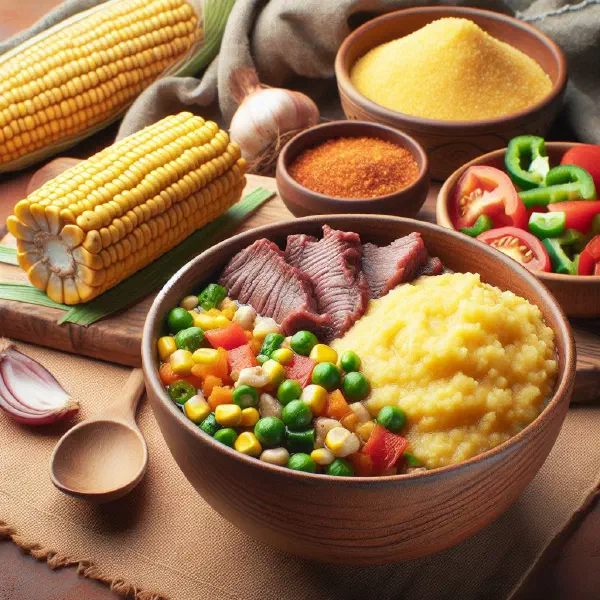
This recipe adapts easily to personal preference. Try adding different sweeteners or spices to liven the dish up. For a savoury version, vegetables or stock can be stirred in for extra depth of flavour. Be creative with the accompaniments, many people enjoy sorghum porridge with vegetables, beans or even a little meat, in the spirit of Mutakura.
Ingredient substitutions
If sorghum flour is hard to find, you can replace it with other gluten-free flours such as rice flour or maize meal. These have a different taste and texture, but they still make a very tasty dish. Finger millet is another traditional option, as used in Sadza Rezviyo. When it comes to sweeteners, maple syrup or agave nectar are excellent choices. Just adjust the quantity, since these alternatives vary in sweetness.
Drink pairing ideas
Sorghum porridge goes well with a whole range of drinks. A hot herbal tea makes a refreshing companion, while fresh fruit juice, especially citrus, adds a lively note. Plant-based milk alternatives are another excellent way to round the dish off. Try different combinations to find the pairing that suits you best.
Serving and presentation ideas
Presenting your sorghum porridge can be simple yet effective. Serve it in an attractive bowl and garnish with fresh fruit or a drizzle of honey. Colourful strips of vegetable make an appetising decoration too. Remember that we eat with our eyes first, so be creative with colours and textures.
A bit of history
Sorghum porridge has a long tradition in the kitchens of Zimbabwe and counts as a staple food across many African countries. The use of sorghum reaches far back into the past, and the way it is eaten has evolved over centuries. Thanks to its nutritional richness and its adaptability to different preparations, it is an important symbol of the culture and heritage of the region, a cornerstone of Zimbabwean cuisine. This culinary tradition is passed down from generation to generation and remains part of daily life.
More recipe ideas
Summary: Sorghum Porridge
In summary, sorghum porridge is a simple yet exceptionally nourishing dish that suits all sorts of occasions. Sweet or savoury, the possibilities are endless and adapt perfectly to your own preferences. It is a pleasure for the palate and a meaningful piece of African culture. Give our recipe a try and discover the flavours and traditions of Zimbabwe in your own home.