National Dish Zimbabwe: Vegetable Sadza (Recipe)
In this article
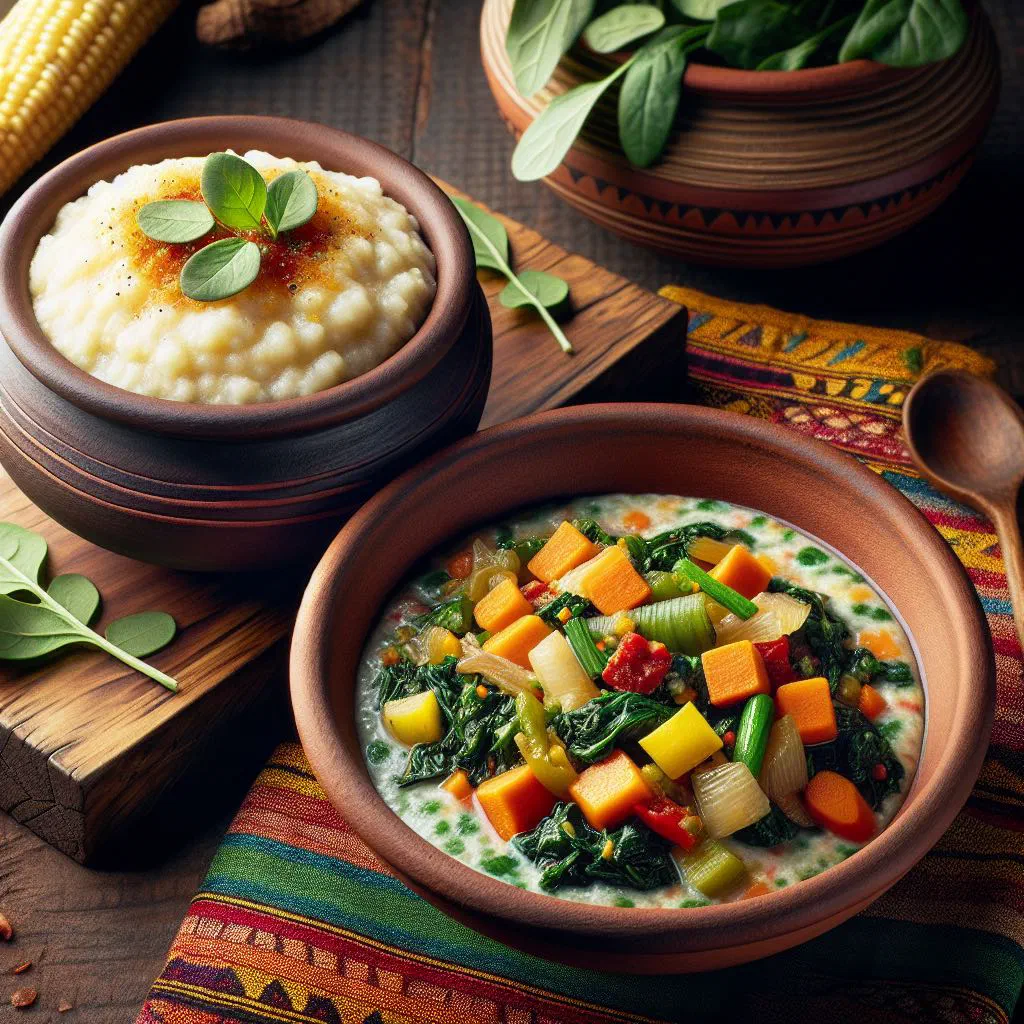
Meet Vegetable Sadza, the comforting cornerstone of the Zimbabwean table. Smooth, velvety maize porridge is cooked until thick and glossy, then brought to life with a colourful tumble of fresh, seasonal vegetables. It is filling without being heavy, naturally wholesome, and endlessly forgiving for cooks of every level. This humble dish is a wonderful place to begin.
About Vegetable Sadza
Vegetable Sadza is a much-loved dish from Zimbabwe, built around maize meal and holding a central place in African cooking. It offers a filling yet genuinely wholesome alternative to many other carbohydrate staples. The velvety texture of sadza pairs beautifully with fresh, locally grown vegetables, which makes the dish both nourishing and thoroughly flavourful. Vegetable Sadza is well worth a try.
Ingredients (serves 1–2)
- 1 cup maize meal
- 3 cups water
- 1 teaspoon salt
- Oil to taste (sunflower oil, for example)
- Fresh vegetables (spinach, carrots, peppers, for example)
Shopping for the ingredients
When shopping for Vegetable Sadza, it pays to choose fresh, good-quality ingredients. Most supermarkets and food markets stock decent maize meal, which forms the entire foundation of the dish. Your vegetables should be as local and seasonal as possible to guarantee the best flavour and the highest nutritional value. Look out for organic produce too if sustainability matters to you, much as you would when shopping for a warming Muriwo Unedovi.
Preparing the dish
To get ready for Vegetable Sadza, start by laying out all your ingredients within easy reach. Make sure the water is already at a rolling boil before you begin adding the maize meal. It is also sensible to wash the vegetables and cut them into small, even pieces so they cook through at the same rate. Good preparation makes the cooking faster and far less stressful, especially when you have guests waiting.
Step-by-step instructions
- Bring the water to the boil in a large pan and add the salt.
- Reduce the heat and add the maize meal, stirring constantly as you go.
- Cook the mixture, stirring regularly, until it turns thick and smooth.
- Add the prepared vegetables and let everything simmer for roughly 5–10 minutes, until tender.
- Serve the Vegetable Sadza warm and enjoy.
Gluten-free / lactose-free version
For anyone with coeliac disease or a gluten intolerance, Vegetable Sadza is an excellent choice, since the dish is naturally gluten-free. The only thing that needs a second look is your choice of accompanying ingredients. Some prepared vegetable products can contain dairy derivatives, so stick to plant-based fats or plain oils. Choose your side dishes with the same care to make sure the whole meal stays lactose-free.
Tips for vegans and vegetarians
Vegetable Sadza is an ideal dish for vegans and vegetarians, as it contains no animal products whatsoever. To make it even more nutritious, add pulses such as lentils or beans to the pan. These push up the protein content noticeably and make the meal more satisfying. Experiment with different vegetables to bring in new flavours and nutrients, in the spirit of a hearty Mutakura.
More tips and tricks
One important tip when making Vegetable Sadza is not to rush the cooking. Stir regularly so that no lumps form in the porridge. Another approach is to fry the vegetables and any sauces briefly in a pan beforehand, which coaxes out extra depth of flavour. Serve the finished dish on an attractive platter or in traditional African crockery to make it as pleasing to the eye as it is to the palate.
Adapting the recipe to your taste
The beauty of Vegetable Sadza lies in its versatility. You can vary the main ingredients as you please, using sweet potato or pumpkin in place of the usual vegetables. The seasonings are just as flexible, a little paprika or curry powder brings an exciting kick.
Ingredient substitutions
If you have no maize meal to hand, a blend of rice flour and wheat flour will produce a broadly similar result, though it will no longer be gluten-free. When it comes to vegetables there are no limits at all: courgette, broccoli or cauliflower all make delicious additions. If you need gluten-free alternatives, plenty of products based on other grains such as millet and sorghum are now widely available, as used in Sadza Rezviyo. This is especially helpful if you are cooking around specific dietary requirements.
Drink pairing ideas
Several drinks work beautifully alongside Vegetable Sadza and complement its gentle flavours. Traditional rooibos tea served without sugar is a fantastic choice that tempers any heat in the food. If you would prefer something more refreshing, try a homemade lemon or ginger water. A robust, fruity beer also harmonises nicely and rounds off the meal.
Serving and presentation ideas
Presentation can make a real difference to how Vegetable Sadza is received at the table. Use colourful plates and garnish the dish with fresh herbs such as coriander or parsley to create visual interest. Simple wooden boards make another lovely touch, underlining the rustic African character of the meal. Remember to leave enough room for the relishes and sauces that accompany the dish.
A bit of history
Vegetable Sadza has a long history in Zimbabwe and is far more than a simple meal. It is part of the culture itself. Originally prepared by the Shona people, it has grown into a national dish that appears on menus in households across the country. The method of making it has barely changed over the years, and offering sadza to a visitor is still regarded as a mark of hospitality. The plainness of the dish is a celebration of local ingredients and traditional Zimbabwean cooking.
More recipe ideas
Summary: Vegetable Sadza
Vegetable Sadza is a delicious, satisfying dish that represents a truly traditional side of Zimbabwean food. With its distinctive texture and fresh ingredients, it delivers a wide range of flavours along with genuine health benefits. Thanks to the straightforward method and the freedom to adapt the recipe, it is accessible to anyone who wants to discover or simply enjoy African cooking. Take the plunge and bring the taste of Zimbabwe into your own kitchen.